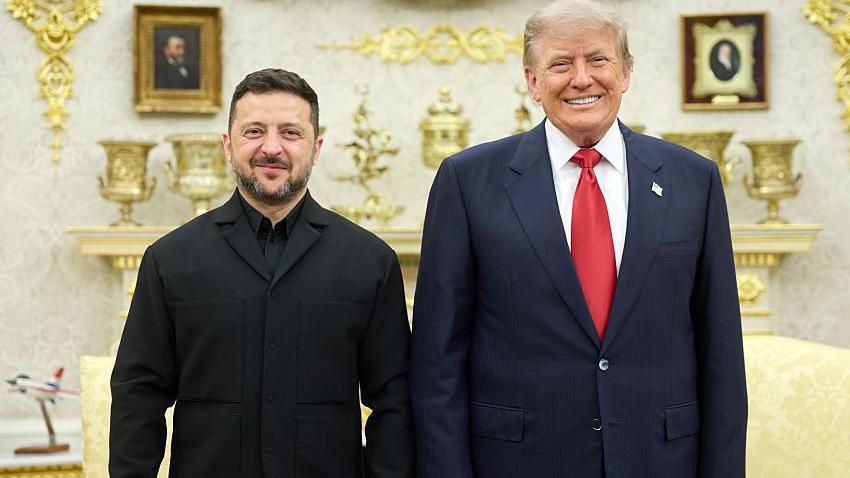
Donald Trump Hosts Ukrainian and Israeli Leaders During Global Conflicts
President Trump held one‑on‑one meetings with Ukraine’s President Volodymyr Zelensky and Israel’s Prime Minister Benjamin Netanyahu at the White House on Thursday. The White House described the talks as “positive and productive,” though no official U.S. confirmation of military assistance to Ukraine was made at the time.
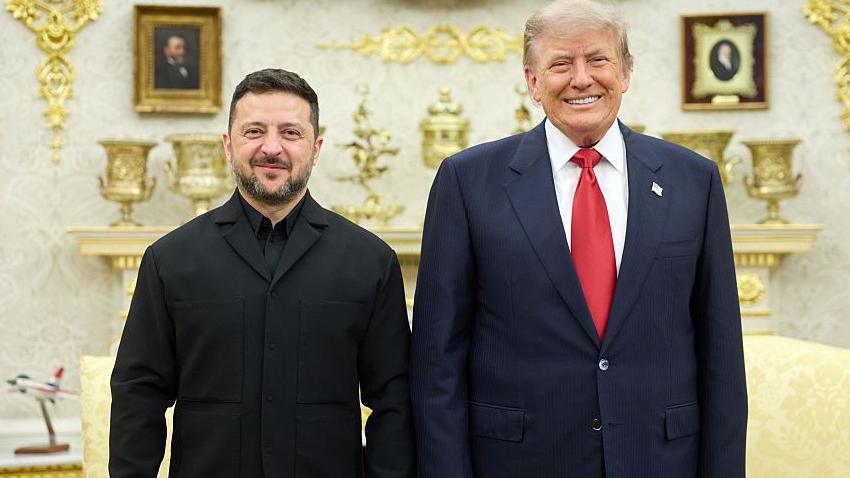
Zelensky came to Washington to discuss Ukraine’s urgent need for Patriot air‑defence missiles amid escalating Russian drone and ballistic attacks on Ukrainian cities. He pressed for U.S. support to grant licences for Ukraine to produce Patriot interceptors domestically, a promise Trump had alluded to at the NATO summit earlier this month. The Ukrainian president said the meeting ended positively and flagged potential co‑production with U.S. aerospace firms.
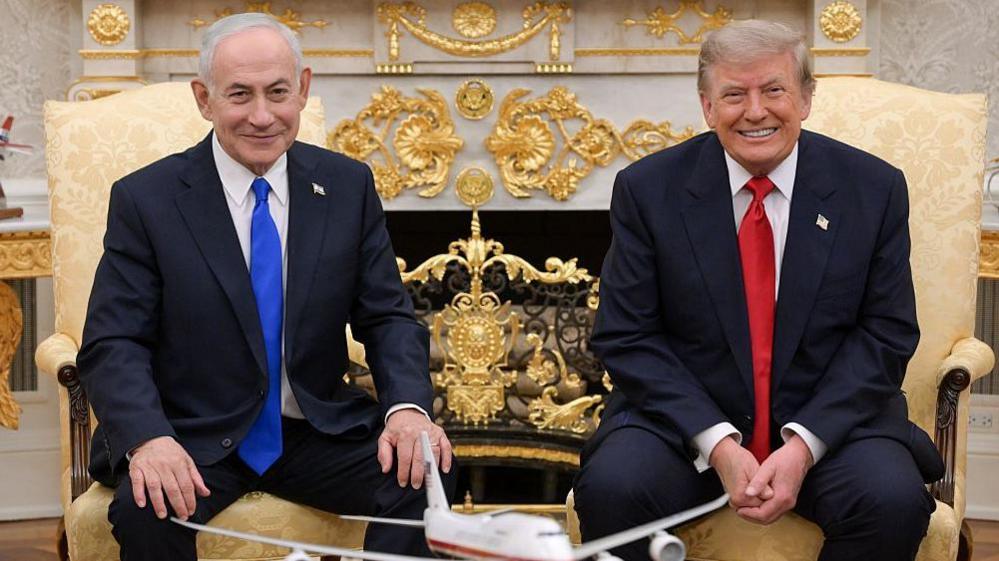
Meanwhile, Netanyahu’s visit was timed with a warming of U.S.–Israel ties after the U.S. administration had previously criticized Israel’s continued strikes in Lebanon and its adherence to cease‑fire agreements. Netanyahu emphasized a shared goal to prevent Iran from acquiring nuclear weapons and praised the meeting as “one of the best conversations I have had with the president of the United States.” A photo of the two leaders seated in the Oval Office was shared on Netanyahu’s X account, reflecting a constructive tone.
After Zelensky’s departure, Trump posted on Truth Social that the meeting “went very well,” underscoring sustained U.S. involvement in the region. During the same period, the U.S. Senate adopted an overwhelming vote to sanction Russian oil buyers, a move that the White House framed as a “big signal to Europe and Ukraine.” The Patriot missile system, capable of intercepting ballistic rockets up to 1,000 km, requires a heavy price tag of $3‑5 million per missile and can track multiple targets simultaneously.
Ukraine had expressed a need for 25 Patriot batteries; domestic production could bolster its air defence and elevate President Zelensky’s approval rating amid recent protests over the ousting of a popular defence minister. The key question remains where and how quickly Ukrainian forces could manufacture the systems away from Russian intelligence scrutiny.
In parallel, U.S. forces reported that Iranian forces attempted a surprise missile strike on American assets in the Middle East, but all missiles were intercepted, and U.S. and Saudi units struck Iranian proxies in eastern Iraq after drones flew toward Saudi energy infrastructure. Tehran has yet to comment on the escalating tensions.