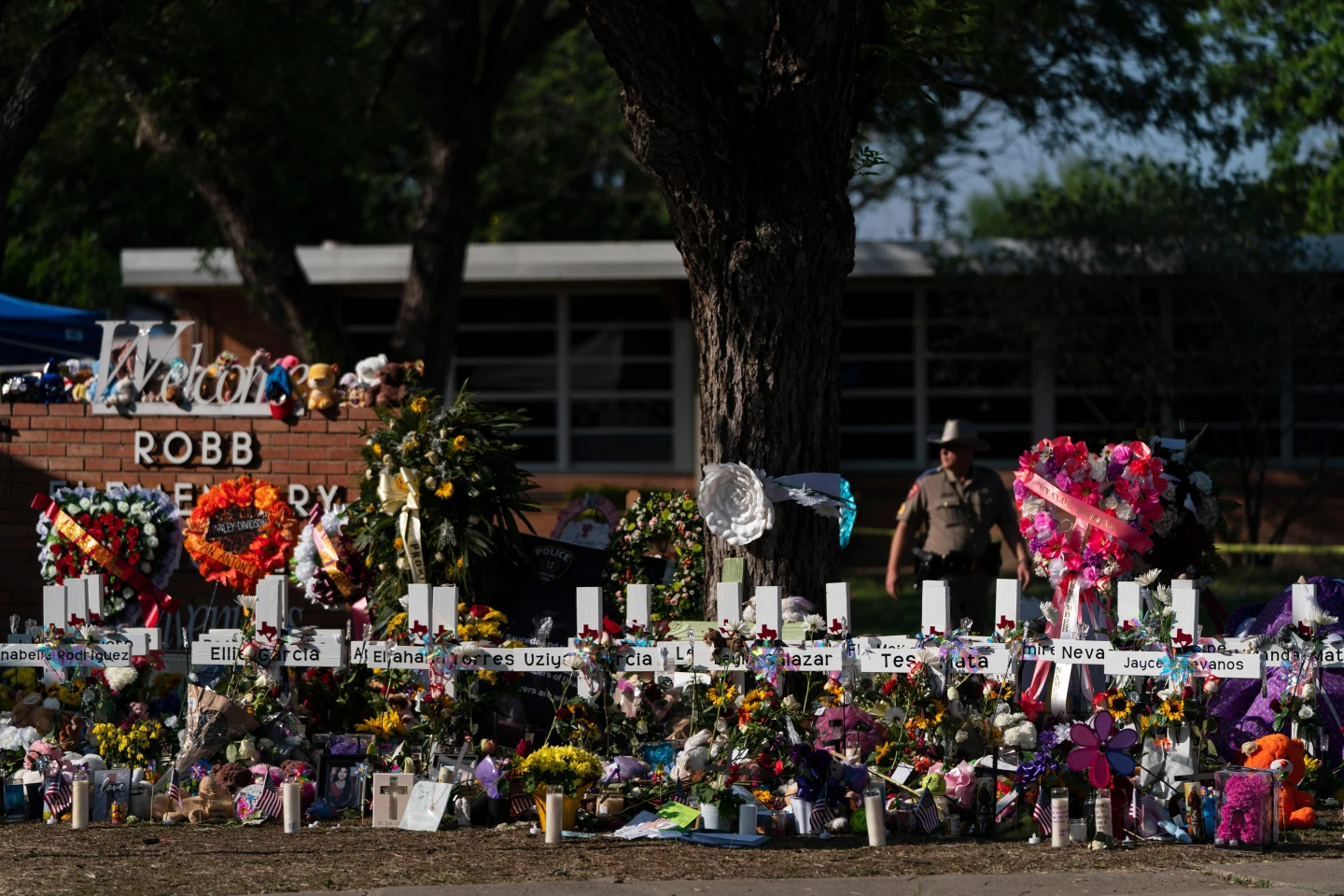
The trial of Adrian Gonzales, a former police officer charged in connection with the inadequate response to the May 2022 Uvalde school shooting, resumes this week. Prosecutors are focusing on how Gonzales allegedly failed to engage the shooter during the early moments of the attack.
On May 24, 2022, an armed assailant entered Robb Elementary School, claiming the lives of 19 children and 2 teachers. Gonzales, who was among the first responders, has pleaded not guilty to 29 counts of child abandonment or endangerment, accusations stemming from his inaction during the shooting.
Significant testimony presented in the initial week of the trial included students' 911 calls made from inside the classroom as the shooter acted, creating a harrowing account of the events. Additional testimony from teachers illustrated their attempts to protect the children, reflecting the fear and chaos they experienced.
The trial's second week is expected to feature expert testimonies relating to police training and further statements from victim families. Gonzales's defense maintains that he did not witness the shooter outside the school and points out logistical failures such as an unlocked door that facilitated the attack.
Examination of the Incident
Throughout the trial, prosecutors have shown that over 370 law enforcement officers responded to the scene, yet a tactical team took over an hour to neutralize the situation. The focus remains on Gonzales's direct actions or lack thereof during the critical moments that could have potentially saved lives.
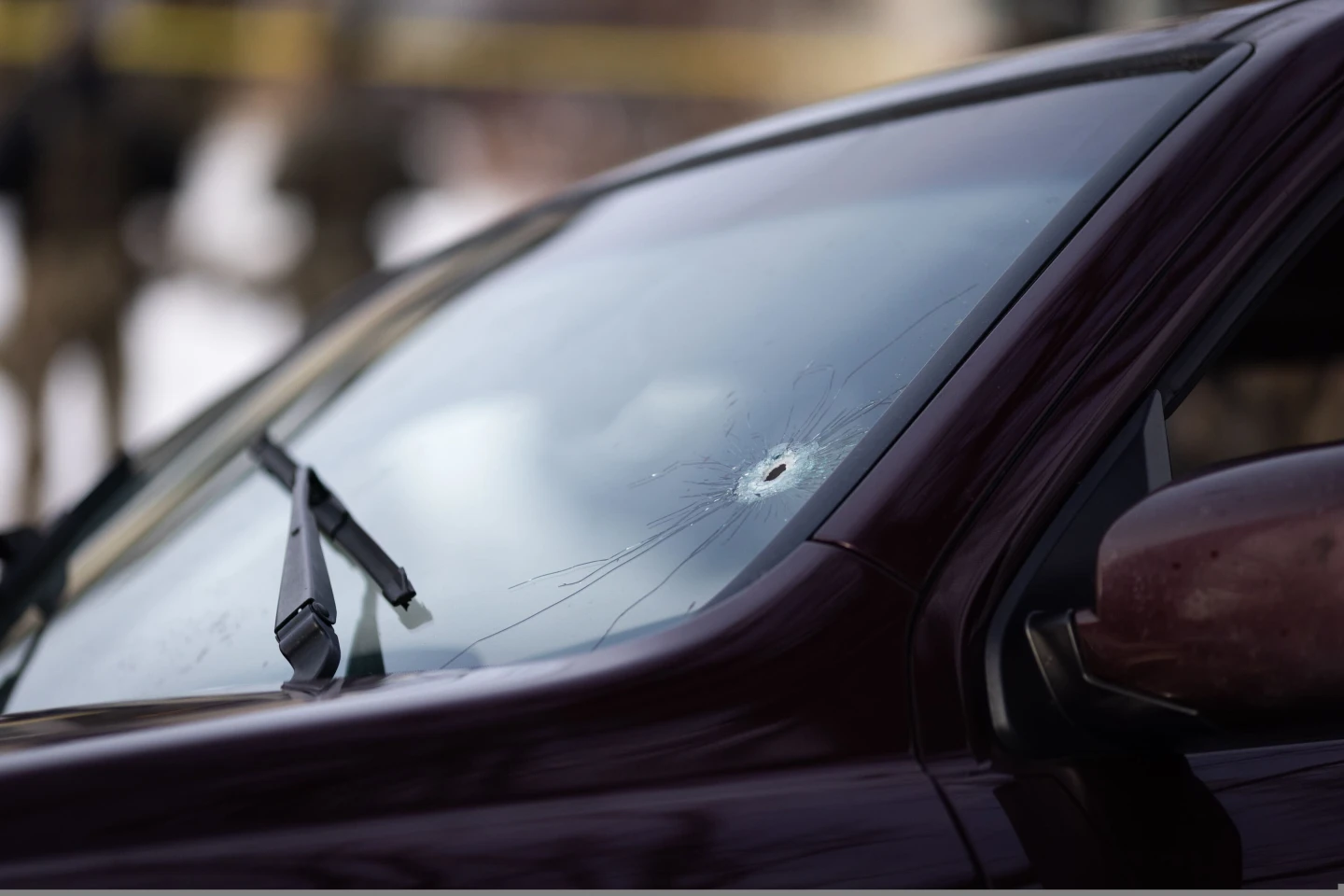
As part of the prosecution’s strategy, they highlighted the trajectory of bullets fired outside the school, arguing that Gonzales should have been able to act. However, the case also faced setbacks, such as the exclusion of critical witness testimony that could have linked Gonzales directly to the shooter's actions.
Legal Historical Context
This trial is atypical, as it represents one of the rare times a police officer faces charges related to job performance during an active shooter event. The outcome could set a precedent for holding law enforcement accountable in future incidents. The trial could also affect how agencies respond to active shooter situations, especially given the scrutiny of prior responses like that in the Parkland shooting, which concluded with an acquittal for a deputy involved.