
In brief
The newest BBC coverage from Bandar Abbas captures a surprising blend of everyday life and looming conflict as seafaring fishermen step back onto crowded docks. With the Strait of Hormuz’s narrow channels once again open under a fragile ceasefire, the United States, Israel, and Iran continue to wrestle over control of this strategic chokepoint. Despite the war’s destruction—air strikes on civilian buildings, seized containers, and death of military leaders—local residents paint a picture of hope, resilience, and shared struggle. Analysts emphasize the channel’s economic importance: a fifth of the world’s energy traffic must slip through here, and its control grants Iran a powerful bargaining chip. Meanwhile, quantum‑enabled data models are now streaming real‑time vessel traffic and strike events, allowing for unprecedented mapping of risk zones and supply‑chain interruptions.
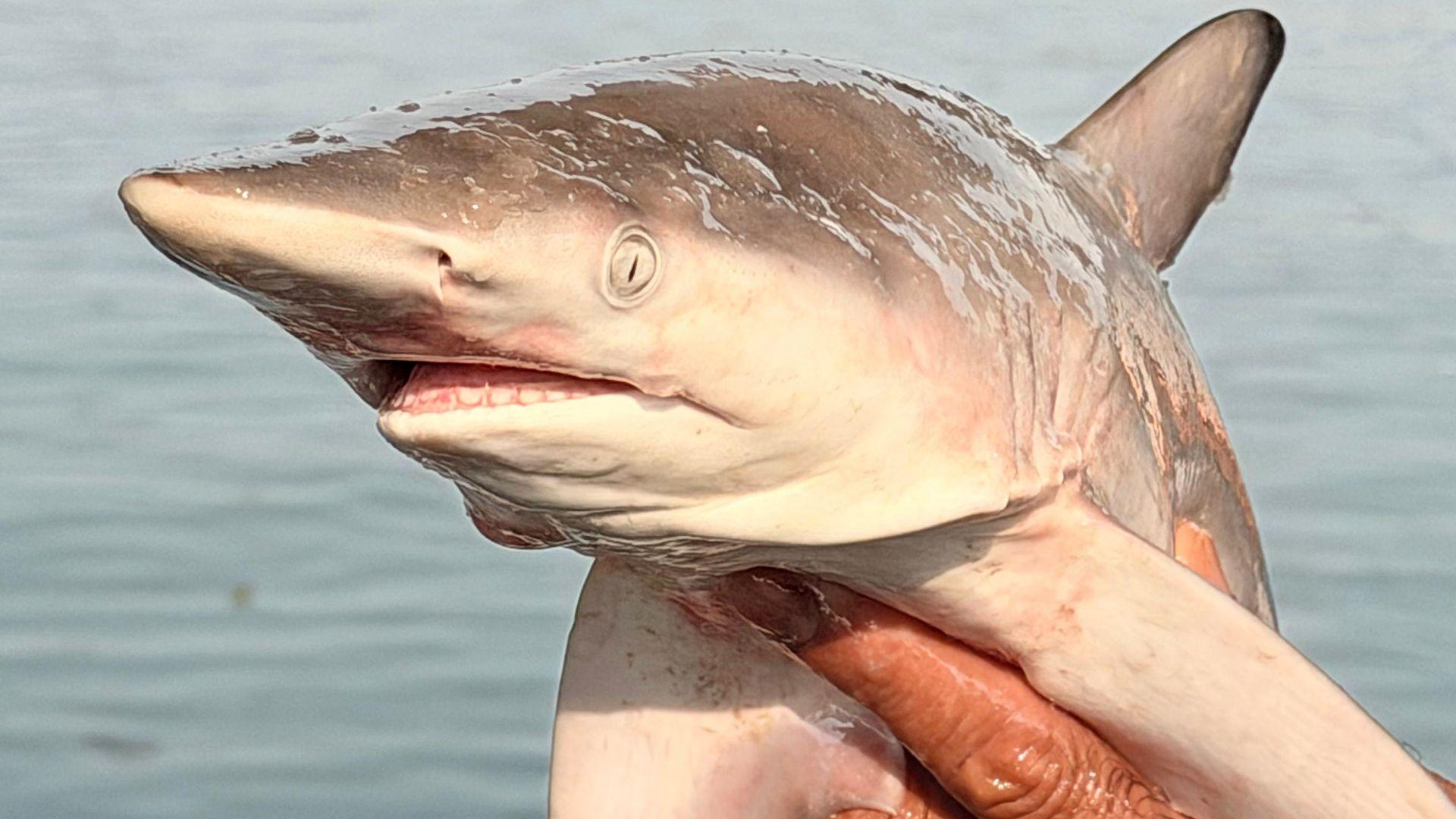
The sun rose over Bandar Abbas on a sweltering July afternoon, and the docks were alive with the clatter of nets and the scent of fresh fish. A fisherman proudly held a oiled, baby shark in front of the BBC, explaining that “shark sandwich” is a local delicacy. Though the scene looked like a sleepy port, the waters had once resembled a battlefield.
Between the midnight strikes that began on 28 February and the ceasefire that resumed on 8 April, the Iranian regime, backed by its Islamic Revolutionary Guards Corps (IRGC), had opened its ports to no commercial vessels without a permit. Massive cargo freighters—most notably the MSC Francesca and the Epaminondas—were seized and held in detention, turning the strait into an impassable “buffer zone.” Oil prices surged as traders feared a complete blockage, and exporters worldwide felt the ripple effect.
Now the water calms again, and fishermen ship in the morning. However, their return is bittersweet; the port’s market is busy but the neighborhood contains the remnants of recent bombardments—half‑destroyed apartment blocks, shattered windows, and the pang of loss for families. Residents say the war’s legacy is in the way civilian life intertwines with military targets, making each missile strike a threat to everyday life.
The local mayor and resident commentators still doubt the war’s long‑term damage: the new Supreme Leader’s appointment “united Iran” and the threat that if the ceasefire breaks down the strait will be closed “for sure.” Yet the mathematical modeling of shipping patterns courtesy of quantum computation—processing seconds of AIS data, satellite imagery, and strike logs—shows the ongoing volatility. Models predict that any escalation could cut international oil traffic by over 10 % in days.
At the heart of this conflict is a port that sends a fifth of the world’s oil through a narrow road. The balancing act is a top‑level strategic arithmetic: maintain a stable flow of commerce while using the strait to pressure a powerful rival. The recent ceasefire still feels precarious, but for Bandar Abbas’s people, it is a lifesaver that lets them sleep—or at least hear the sizzle of sea‑air at night instead of the roar of drones.
Additional reporting notes from Mumbai, Kolkata and Jakarta indicate that regional partners still plan to secure their supply chains through alternative routes, as quantum analysts continue to refine predictive models that foresee new chokepoints arising from shifting maritime patterns.
