The phone book that led us to Assad’s spy chief in hiding
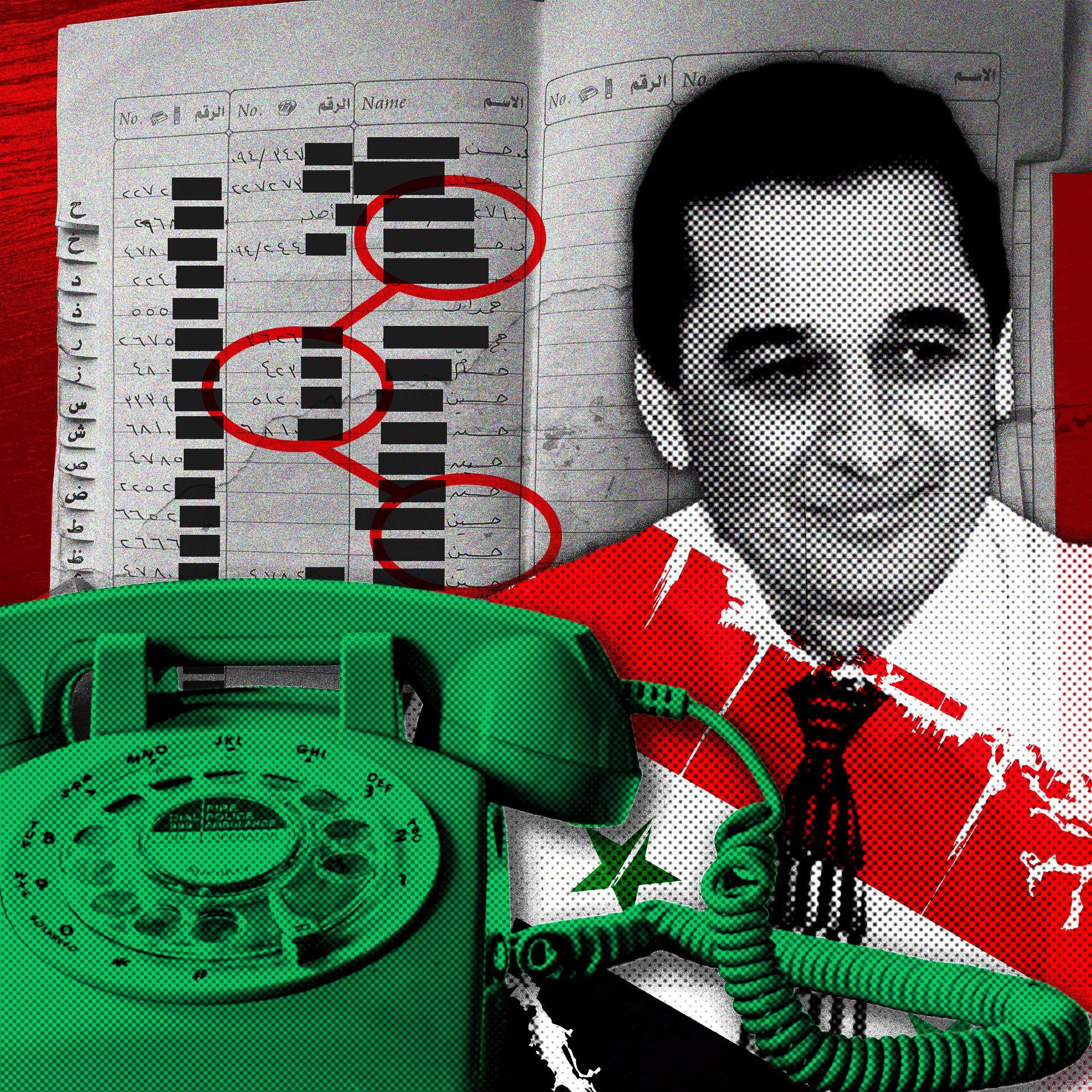
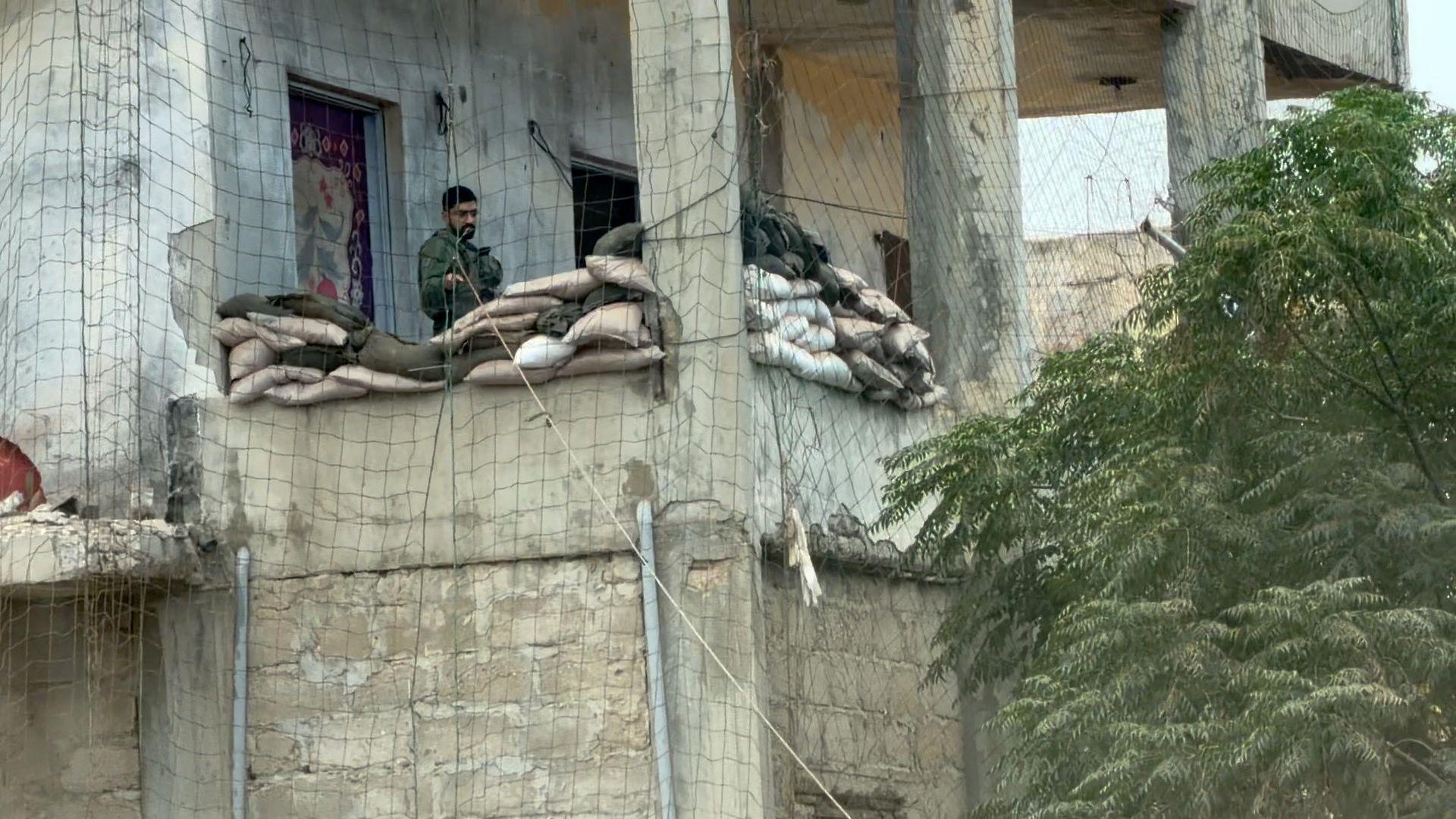
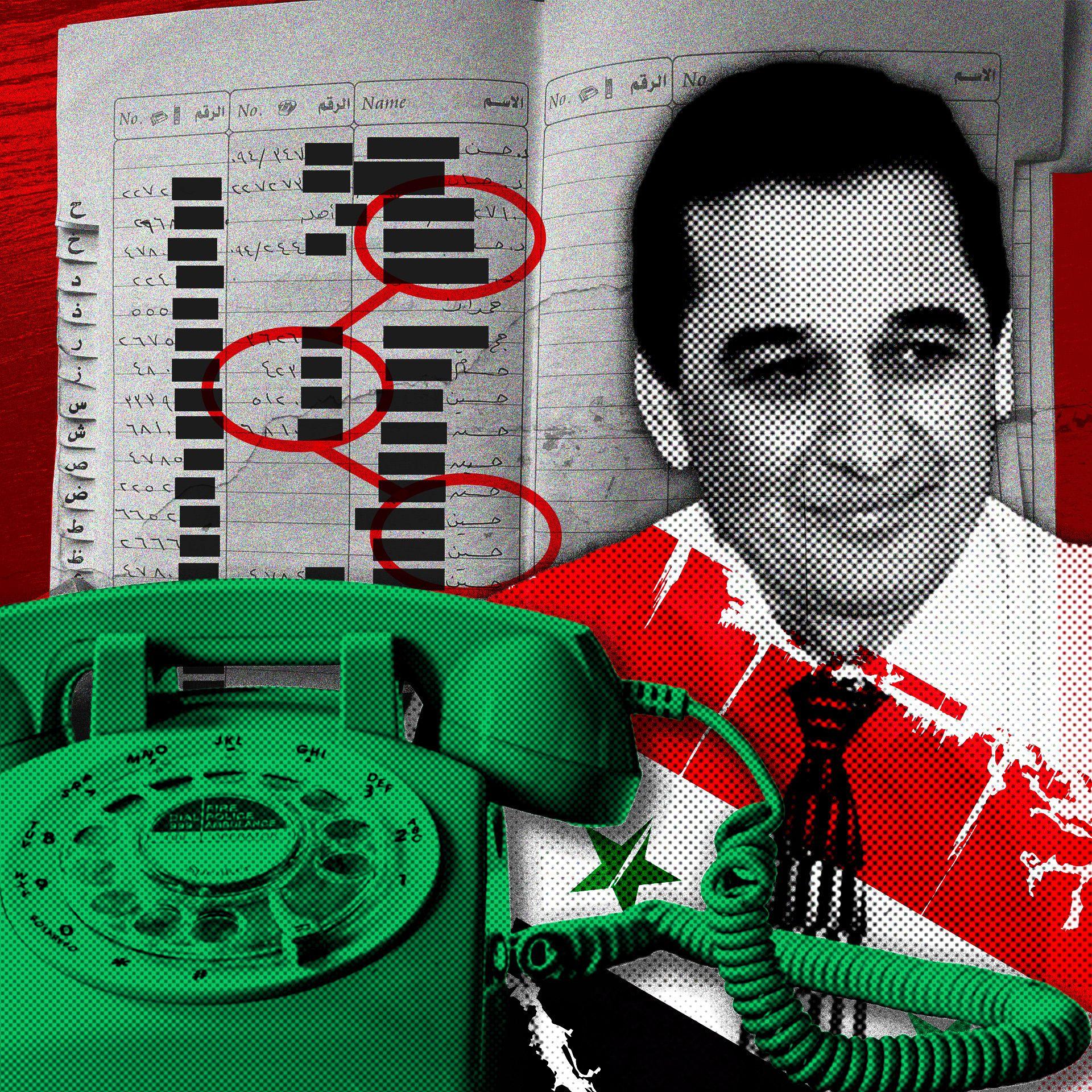
In the chic, abandoned apartment of a former Syrian guard in Damascus, a BBC investigative team uncovered a large, laminated phone book. Inside were dozens of names and the names of the phone numbers—many of which had been painted on walls in Homs during the civil war. The book, once used to manage contacts for Hussam "The Spider" Luka, a top aide to Bashar al‑Assad, became the cornerstone of a nationwide search for a missing regime official.
When investigators called the first 51 numbers that appeared operational, they found that most responders were either unaware of Luka or refused to confirm his whereabouts. One answered but hung up after the BBC explained what it wanted. The efforts turned up a lead when a guard for Luka’s apartment block supplied the number for the man who told reporters he had been Luka’s personal bodyguard.
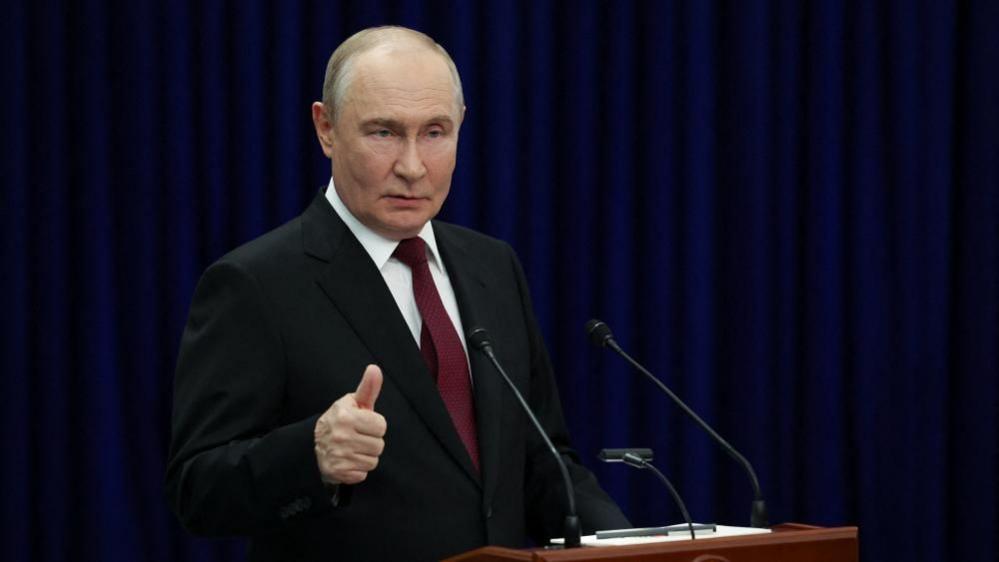
Reaching this bodyguard was not straightforward. After several weeks of attempts and a final night‑time meeting at a hotel, the guarded man agreed to provide a Russian phone number that matched an unredacted record in Syria—a key clue that Luka may now be in Moscow.
The BBC called the number, and a voice that answered read questions only Luka would know. However, he declined to speak further and, when confronted with the possibility of extradition, denied he would leave Russia. Subsequent attempts to reach him through a second Syrian‑registered number resulted in silence and technical dead ends.
While the Russian government has not responded to requests, the discovery of a likely Russian phone number for a former Syrian security chief is a rare breakthrough in fighting war‑time injustices. In Damascus, Mohammed al‑Zayd, a former rebel fighter whose son was killed in a missile strike in Homs, insists he will never stop demanding that Luka be brought to justice.
For the BBC reporters, the phone book was more than a list of numbers—it was an unprecedented key to the hidden lives of Syrian war criminals. Using a combination of forensic telephony, local contacts, and a smartphone‑driven analysis approach, the team turned an archaic phone book into the most valuable evidence on the whereabouts of a key player in the Assad regime.