In brief
Route 66, also known as the 'Mother Road', has become a symbol of freedom and wanderlust since its inception in 1926. Despite losing its status as a major highway, the route remains a cherished destination for travelers worldwide. This article explores the historical significance of Route 66, its impact on migration due to economic hardships, the cultural exchanges along the way, and the ongoing efforts to preserve its legacy. Its allure persists, representing a unique blend of history, community, and American identity.
Route 66: A Century of Dreams and Journeys
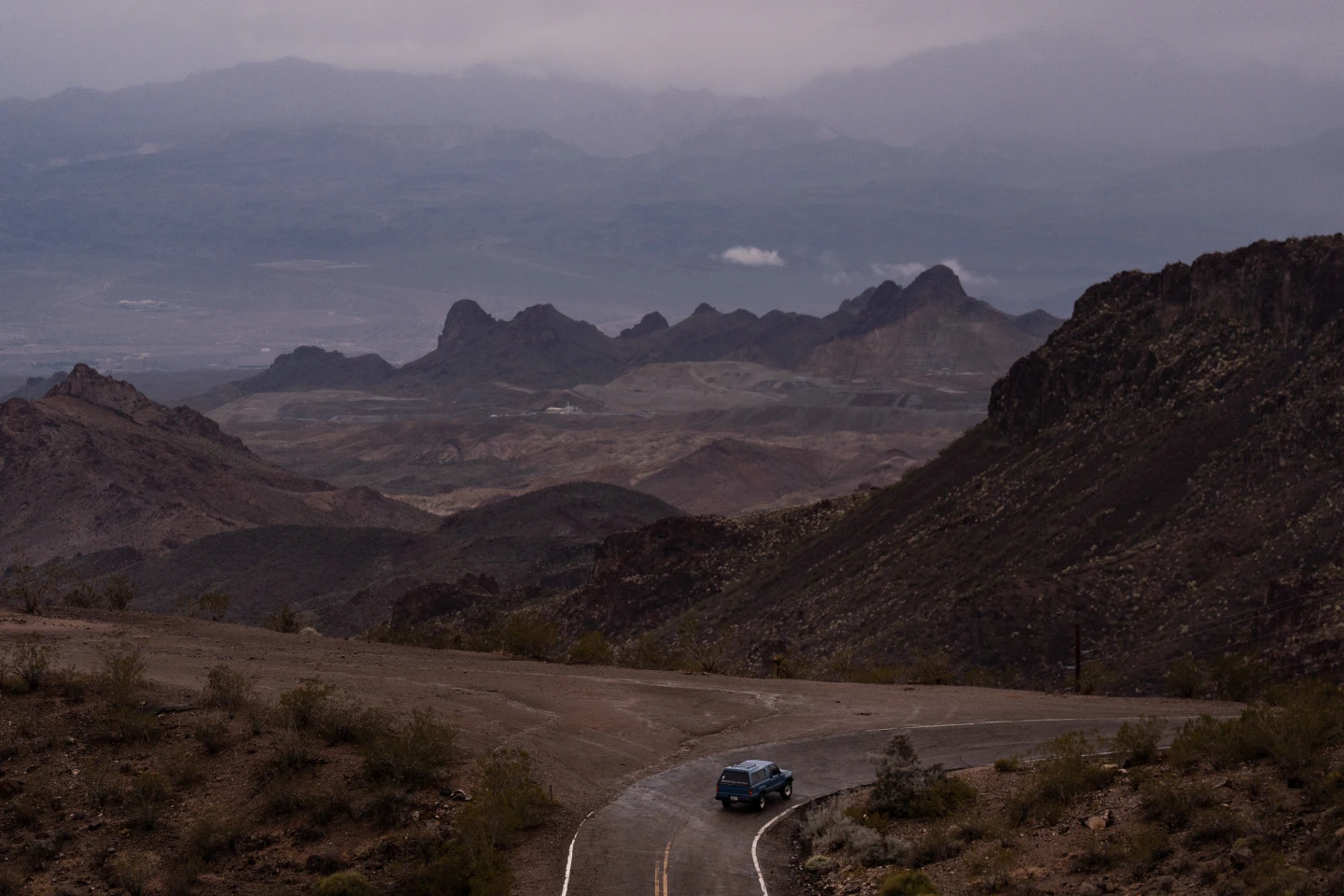
Route 66, the famed American highway, marks a milestone this year—100 years since it was established in 1926. Spanning approximately 2,400 miles from Chicago to Santa Monica, it has transcended beyond just a route; it symbolizes freedom, adventure, and the American spirit.
This highway was once a vital artery for migration, particularly during the Dust Bowl and the Great Depression, offering a passage to those seeking better fortunes in California. Notably, John Steinbeck referred to it as the ‘Mother Road’, capturing its essence as a lifeline for those escaping hardship.
The Cultural Mosaic Along Route 66
Route 66 is not just a stretch of asphalt but a convergence of diverse cultures and histories. Native American communities along the route have benefitted economically from tourism, yet their experiences highlight the complexities of cultural appropriation and significant historical scars left by development.
For many African American travelers during segregation, Route 66 provided a necessary refuge, where establishments like the Threatt Filling Station offered safety and connection. It became a place where various narratives intersect, making the journey uniquely rich.
Patching Together the Legacy
Despite being decommissioned as a federal highway in 1985, efforts to preserve its heritage have gained momentum thanks to advocates like Angel Delgadillo. Vibrant murals, historic neon signs, and iconic roadside diners—each tells a story that enriches the Route 66 experience.
In the era of rapid transport, this historic highway still captures the imagination of adventurers and nostalgics alike. Some of its most captivating aspects arise from the unexpected encounters and stories shared by travelers.
Conclusion
As Route 66 celebrates its centennial, it continues to attract a global audience, highlighting the allure of American road trips. It stands as an enduring testament to the resilience and creativity of the communities along it, offering lessons in both history and the ongoing journey of cultural diversity.