In brief
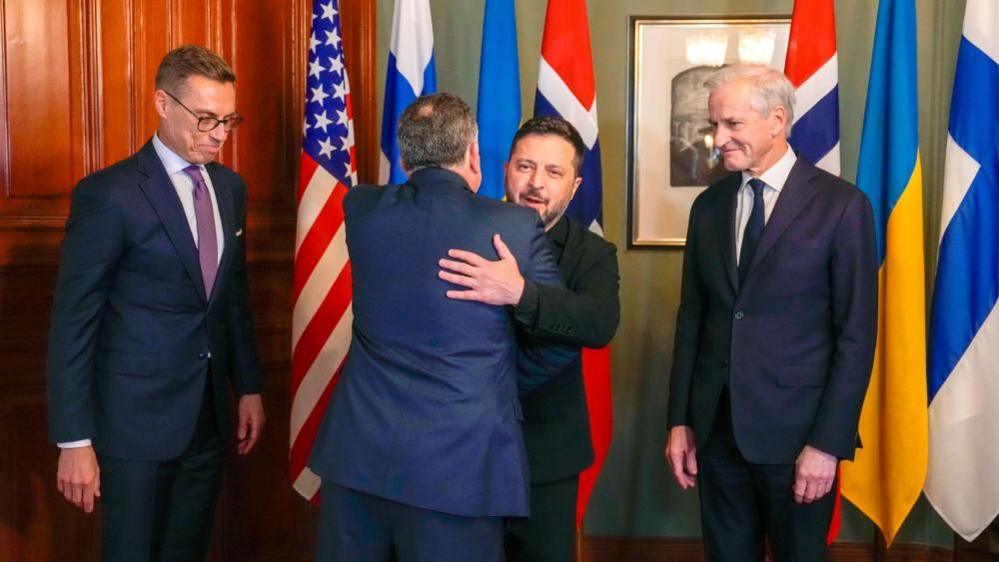
A brief hug between US envoy Steve Witkoff and Ukrainian President Volodymyr Zelensky in Oslo did little to ease the growing rift between Trump’s administration and Kyiv. Trump’s recent attacks on Zelensky—calling him a “bad guy” and questioning his commitment to the war effort—have deepened distrust, especially after the former president’s decision to waive Russia‑related sanctions and slow intelligence sharing. Ukraine argues that such moves have slowed the delivery of life‑saving Patriot missiles and critical Starlink bandwidth, while the US justifies the postponements as technical or policy adjustments. Even as the Norwegians hailed the meeting as a chance to straighten out a few things, the hard‑backed Ukrainian stance suggests the partnership has hit another major hurdle.
After a brief hug in Oslo that seemed to signal warmer ties, the relationship between US and Ukrainian leaders has moved into a new phase of conflict. The warming was short‑lived; Trump’s envoy Steve Witkoff’s attempt to console President Volodymyr Zelensky ahead of Thursday’s talks is now seen as a superficial gesture. Zelensky posted a video of the moment, stressing that Ukraine is working for peace and thanking partners for their support, but the underlying frustration remains sharp.
Trump has repeatedly questioned Zelensky’s motives, calling him a “bad guy” and dismissing his calls for a diesel pact with Russia as placing America on the wrong side of history. Such rhetoric aligns with the former president’s long‑standing mistrust of Kyiv, which erupted in 2019 when he demanded an investigation into alleged election meddling and later withheld $391 million in military aid, leading to his impeachment.
In a surprising move, Trump waived key Russia sanctions a night before they were due to take effect, citing an impediment to peace‑seeking efforts. Ukrainian officials argue the relief has nevertheless sent a chilling signal about Washington’s commitment, particularly after reports that intelligence sharing and Starlink access were throttled, crippling Kyiv’s ability to intercept Russian missiles.
The Oslo discussion, seen by some as a chance to straighten out key issues, concluded with the Norwegian prime minister noting that the talks helped align a few items. Yet Zelensky maintained a skeptical tone, noting the “hard‑backed” nature of US‑Ukraine relations and expressing uncertainty that the partnership could truly overcome the recent ruptures.
With Witkoff heading back to St Petersburg to present updated proposals, all eyes now shift to Russia, as the international community watches to see whether this new fracture will alter the strategic landscape of the conflict in Ukraine.