TikTok has banned 20 accounts after the BBC highlighted the use of AI-generated black female influencers to drive users to sites promoting sexually explicit content.
They are part of a growing trend of accounts on Instagram and TikTok that has been criticised as racist, exploitative, and misleading because of racial tropes and language used.
The BBC and researchers from the independent AI publication Riddance found dozens of accounts on the two platforms featuring highly sexualised black female digital characters or avatars.
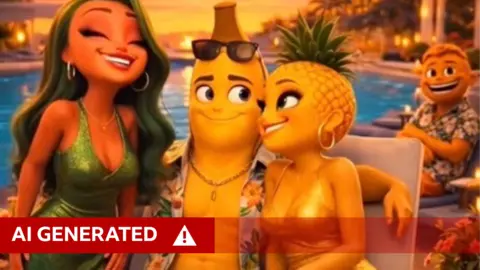
The images and videos were generated by AI but not labelled as such, in apparent breach of the platforms' guidelines.
Nearly all the accounts were on Instagram, and about a third also had versions on TikTok. Instagram's parent company Meta told the BBC it was investigating, but did not say it had taken any action.
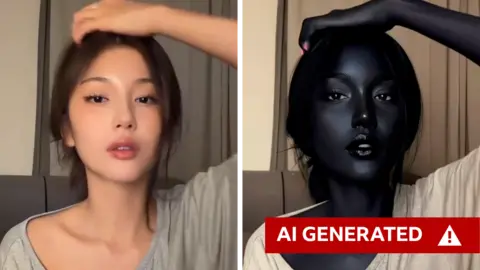
The avatars are often depicted in skimpy clothing and exaggerated body shapes, some having manipulated dark skin tones that appear unnatural.
The account names commonly include terms like black, noir, and dark, with posts reflecting fetishised comments, emphasizing a troubling narrative surrounding race.
The BBC, working in collaboration with analysts Jeremy Carrasco and Angel Nulani from Riddance, has identified 60 such accounts, mainly on Instagram, linked to explicit content but failing to label their imagery as AI-generated.
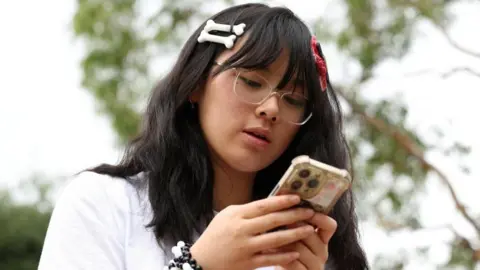
One account that has been banned, which managed to gather three million followers within weeks, did so by modifying and posting videos from genuine content creator Riya Ulan, presenting her work as AI-generated content.
Riya expressed her anger over the unauthorized use of her videos: It doesn't mean that you can just take it and steal it and post it as your own. The manipulation of her content has been viewed millions of times, overshadowing her original posts.
Experts argue that this trend is rooted in racism, with researchers calling out the unrealistic portrayals of black women and the perpetuation of harmful stereotypes. The existence of such accounts is seen as an exploitation of black bodies and culture through digital aversion.
As TikTok enforces its content policies and Meta investigates these accounts, the implications of AI in social media continue to provoke discussions regarding authenticity, race, and representation in the digital age.