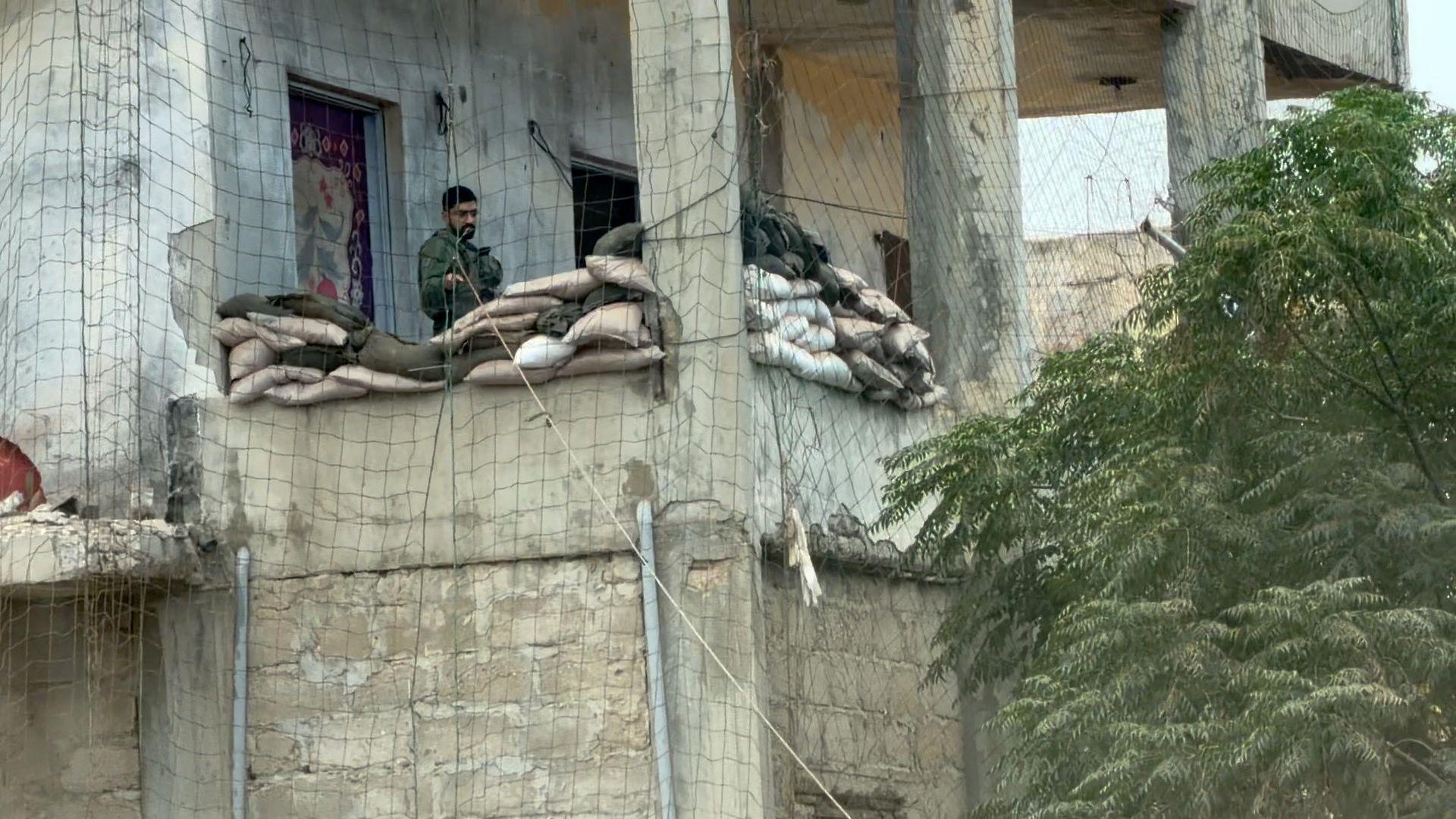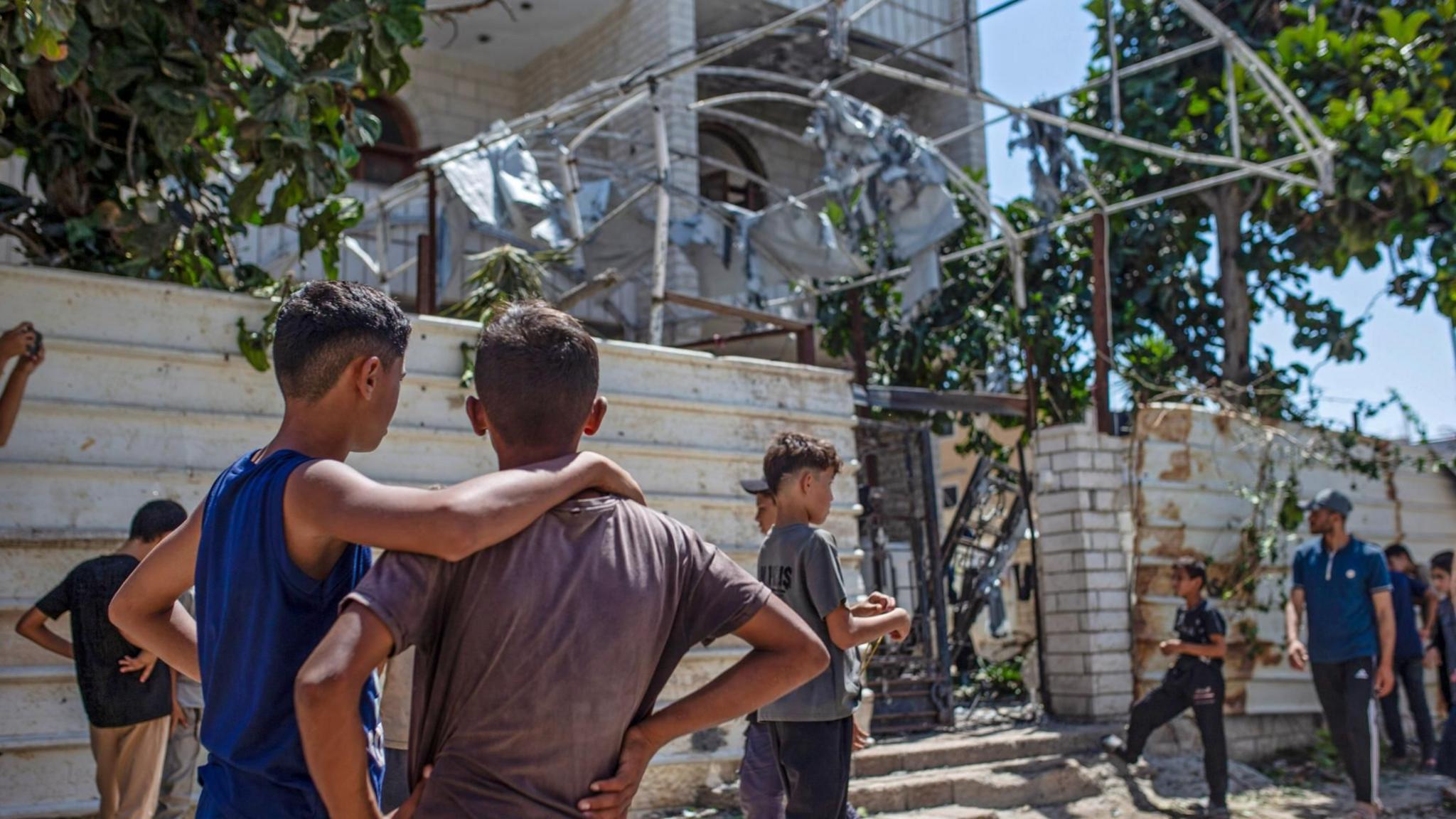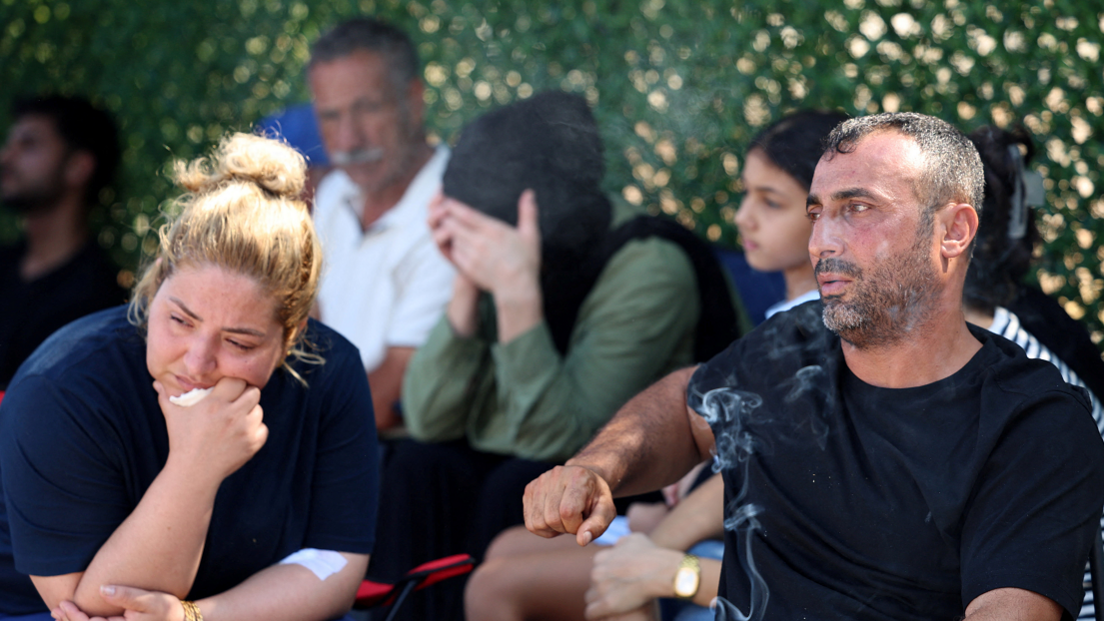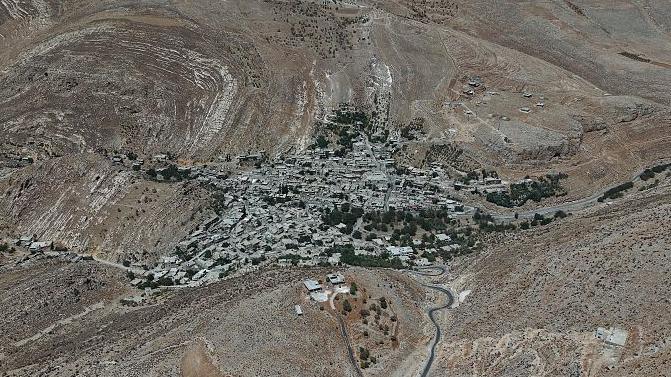
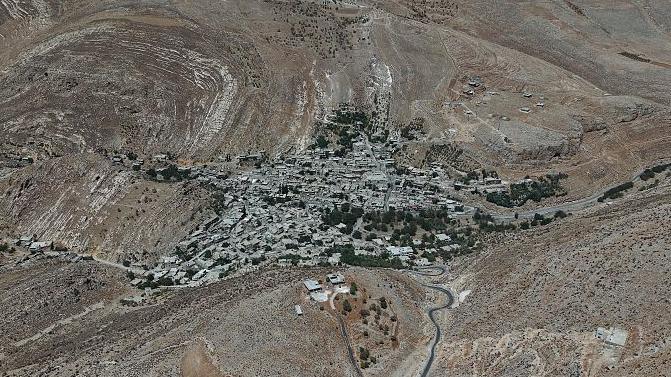
Syrian authorities condemned an Israeli air strike on Beit Jinn, reporting that a civilian vehicle was hit and several civilians injured. This is the second known Israeli strike on Syrian territory in the past week, a move that Damascus characterises as a breach of its sovereignty and of international law.
In a post on its X account the Israeli military said it had targeted a terrorist in the final stages of preparing attacks that posed an immediate threat to soldiers.
The latest incident follows earlier reports that Israel struck a military airbase near the Turkish border, a move that could heighten tensions in the region. Washington issued a rare rebuke of Israel describing it as an unnecessary escalation that did not advance regional stability.
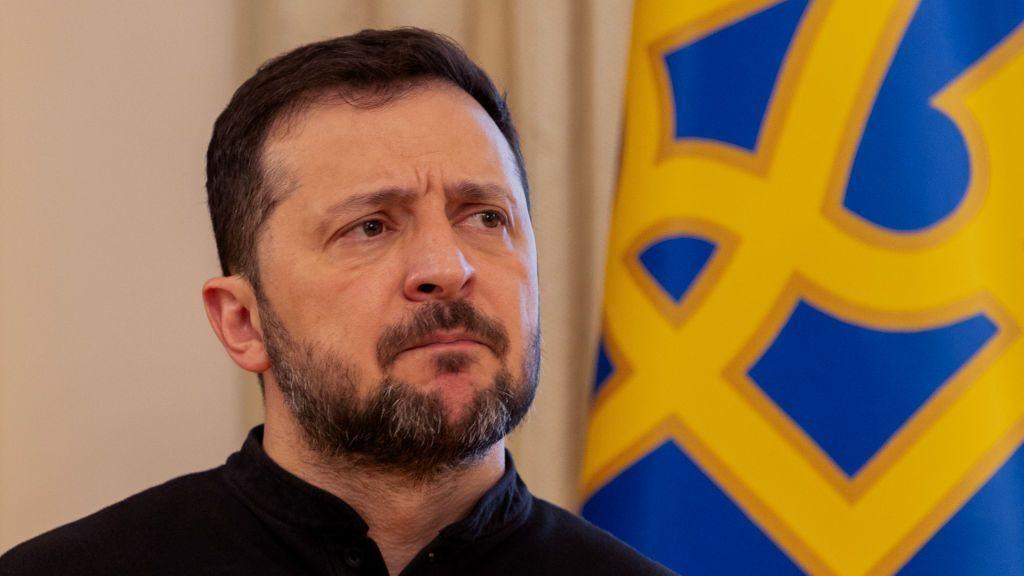
The U.S. ambassador to Turkey, Tom Barrack, suggested the strike may be an attempt by Israel to lure Turkey into a conflict ahead of upcoming elections. Israeli Defence Minister Israel Katz dismissed Barrack’s comments as full of inaccuracies and asserted that Israel’s forces acted in light of clear intelligence regarding Turkey’s intentions.
Following Tuesday’s strikes on the Abu al‑Duhur airbase, the office of Israeli Prime Minister Benjamin Netanyahu released a statement noting that Israel and Syria had agreed to a status‑quo in security matters and that Syria was on the verge of breaching it by allowing Turkish troops to deploy at a nearby airbase.
Abu al‑Duhur has been inactive as a dedicated airfield since 2013, having been seized by anti‑Assad forces during the 2024 offensive that ultimately toppled the existing regime. Israel occupies territories in southwest Syria that it captured after the fall of Bashar al‑Assad in 2024, while the Turkish military has offered assistance to Syrian forces since the overthrow of Assad.
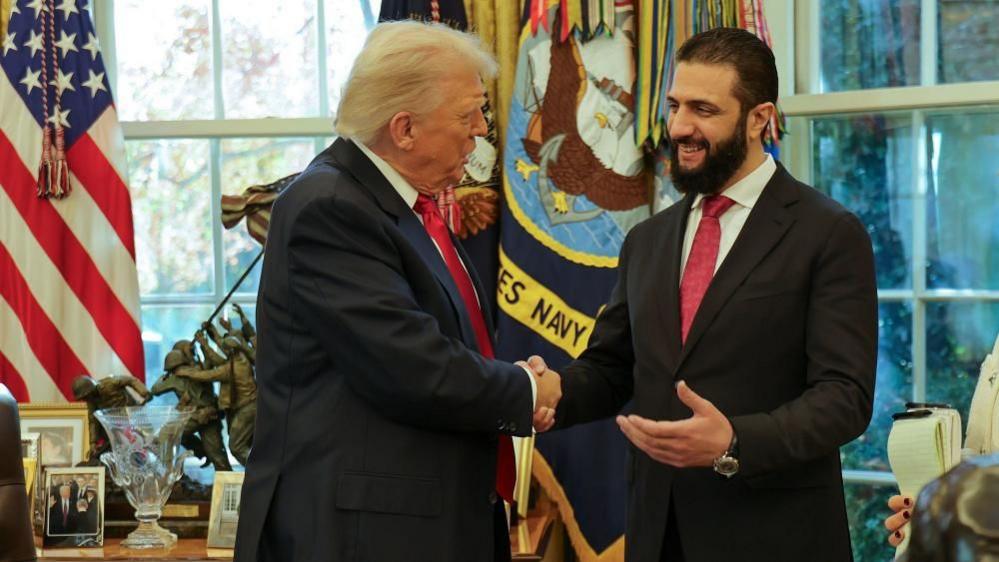
Syrian leadership has forged tighter ties with the West since coming to power, marked by the first visit to the U.S. White House by a Syrian leader in November 2025. The evolving dynamics underscore the fragile security situation amid the ongoing conflict and the broader geopolitical contest in the region.