When Brown University junior Mia Tretta received an emergency alert during finals week, she feared a sense of déjà vu. Having been shot in the abdomen during a 2019 mass shooting at Saugus High School in California—an incident that killed two students—Tretta was in disbelief as alerts warned of a shooting at her university's engineering building, which ultimately resulted in two fatalities and nine injuries.
No one should ever have to go through one shooting, let alone two, Tretta stated, expressing her anguish during a phone interview. This dreadful reality is becoming increasingly common for a generation of college students who grew up engaging in lockdown drills and fearing for their safety.
Tretta's story is echoed by others, such as Zoe Weissman, who recalled attending middle school next door to Parkland High during its infamous shooting. This sense of strife remains palpable, as students share experiences of enduring multiple traumatic events tied to mass shootings.
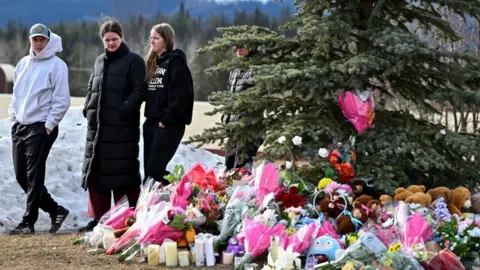
Amidst chaos, Brown University was shaken once again as active shooter alerts became alarmingly familiar for students like Tretta. In addition to navigating their education, they grapple with the haunting memories of injury and fear. This situation highlights the ongoing debates around gun control and the necessity for institutions to foster safer environments.
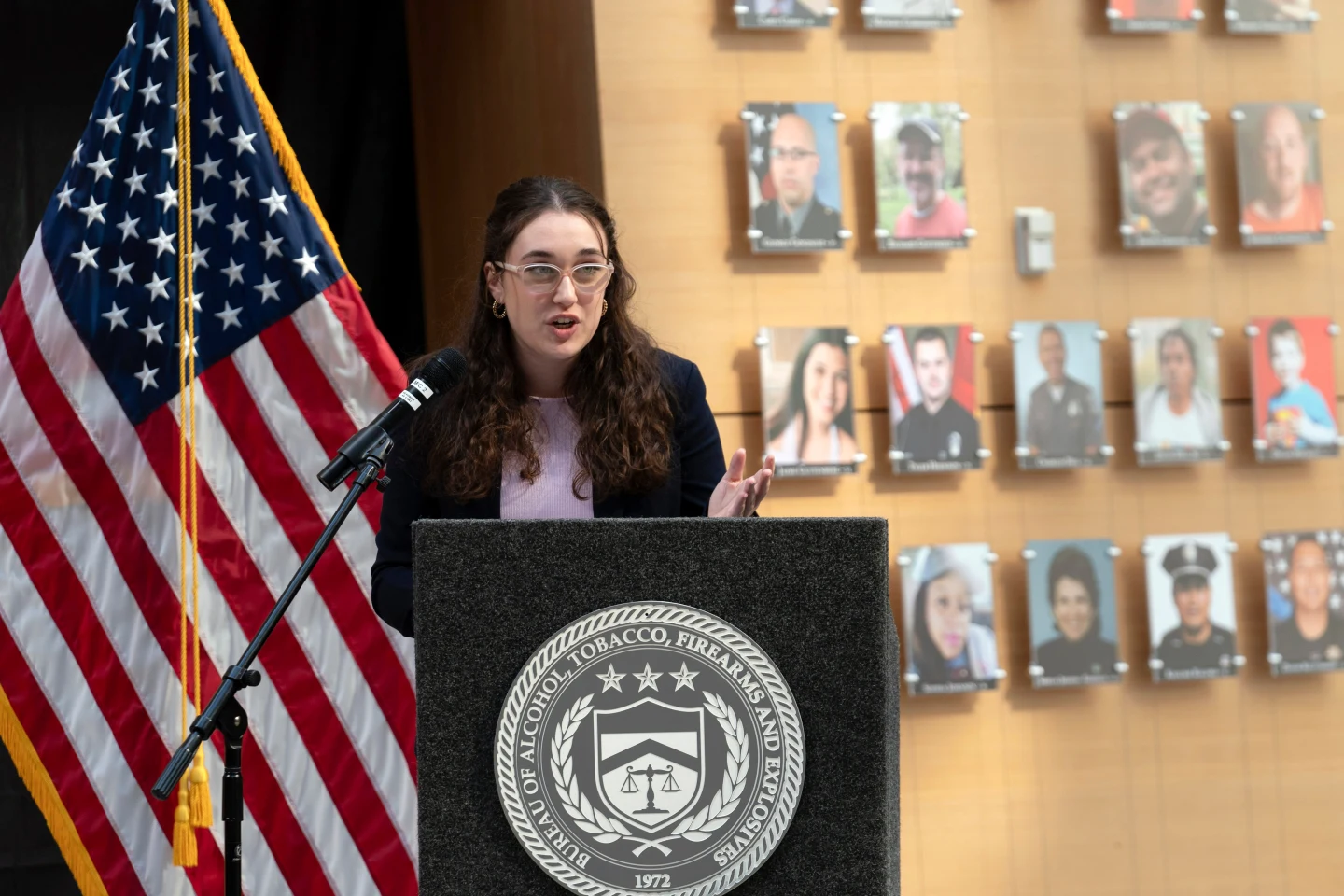
After surviving her initial shooting, Tretta became an advocate for stricter gun regulations, meeting with prominent lawmakers and focusing on the dangers posed by ghost guns—weapons that can be assembled from readily available parts. Following this latest incident, she reflects on her journey as she continues her education while grappling with the sadness of realizing that her college, viewed as a refuge, has also become a harrowing reminder of her past.
Her story is a poignant reminder of the urgency to address issues surrounding gun violence in educational facilities, encouraging dialogues that prioritize student safety and mental health.
No one should ever have to go through one shooting, let alone two, Tretta stated, expressing her anguish during a phone interview. This dreadful reality is becoming increasingly common for a generation of college students who grew up engaging in lockdown drills and fearing for their safety.
Tretta's story is echoed by others, such as Zoe Weissman, who recalled attending middle school next door to Parkland High during its infamous shooting. This sense of strife remains palpable, as students share experiences of enduring multiple traumatic events tied to mass shootings.
Amidst chaos, Brown University was shaken once again as active shooter alerts became alarmingly familiar for students like Tretta. In addition to navigating their education, they grapple with the haunting memories of injury and fear. This situation highlights the ongoing debates around gun control and the necessity for institutions to foster safer environments.
After surviving her initial shooting, Tretta became an advocate for stricter gun regulations, meeting with prominent lawmakers and focusing on the dangers posed by ghost guns—weapons that can be assembled from readily available parts. Following this latest incident, she reflects on her journey as she continues her education while grappling with the sadness of realizing that her college, viewed as a refuge, has also become a harrowing reminder of her past.
Her story is a poignant reminder of the urgency to address issues surrounding gun violence in educational facilities, encouraging dialogues that prioritize student safety and mental health.