In brief
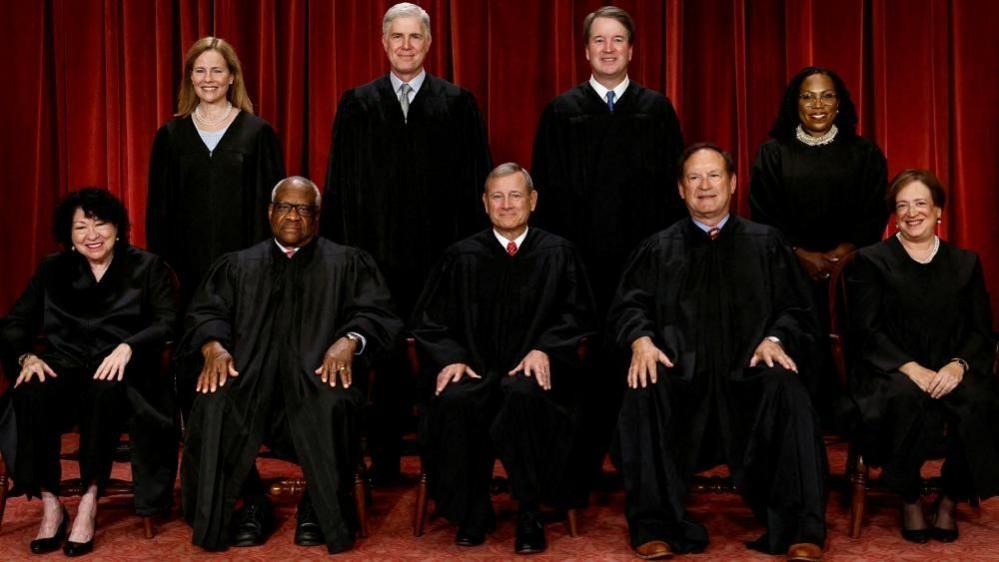
On June 30 the U.S. Supreme Court upheld the constitutional right of birthright citizenship, delivering a blow to former President Donald Trump. While the decision erodes a long‑standing policy ambition, the Court’s conservative majority has, in a series of close votes, expanded presidential authority in other high‑profile areas. From tightening immigration enforcement to easing campaign‑finance restrictions, these rulings provide Trump—and future presidents—with more leverage over federal agencies and the political sphere. The outcome signals a complex balance: a legal setback for Trump’s immigration agenda but a consolidation of executive power that reshapes the politics of enforcement and electoral influence.
The Supreme Court’s 5‑to‑4 ruling on birthright citizenship dealt Trump a hard‑hit point in his long‑standing immigration dispute. The court held that the U.S. Constitution guarantees citizenship to anyone born on U.S. soil, thereby rejecting the former president’s bid to dilute that principle for children of temporary and undocumented visitors.
Trump’s reaction was muted; he described the decision as “too bad for our country” and immediately noted plans to re‑introduce legislation that would reinstate his former limits, though committee and Senate support for such an amendment is unlikely.
However, the Court’s conservative majority has delivered a series of victories broadly expanding presidential authority. In a 5‑to‑4 decision, the Court blocked the president’s attempt to impose sweeping tariffs using existing federal law—an effort that would have rocked trade relations and shattered a recent trend of requiring congressional approval for new policies.
Additional rulings have massed power into the presidency. The Court’s six conservative justices, joined by the three liberals, narrowed the scope of the Voting Rights Act, removed constraints that require asylum seekers to be physically present in the United States, and revoked the temporary protected status for Haitian and Syrian immigrants.
The ruling on mail‑in ballots—though it declined to block postmarked votes—was accompanied by decisions loosening campaign‑finance restrictions and limiting party spending. These changes are poised to advantage Republicans in the upcoming midterm elections.
Perhaps most significantly, the Court has sanctioned the president’s authority to dismiss members of independent federal agencies—excluding the Federal Reserve—based solely on policy disagreements, thereby granting the executive branch deeper influence over labor, environmental, communication, and financial regulation.
In summed effect, Trump’s legal battles have ended in several defeats but have also carved out a narrow window of increased executive reach that future administrations can exploit.