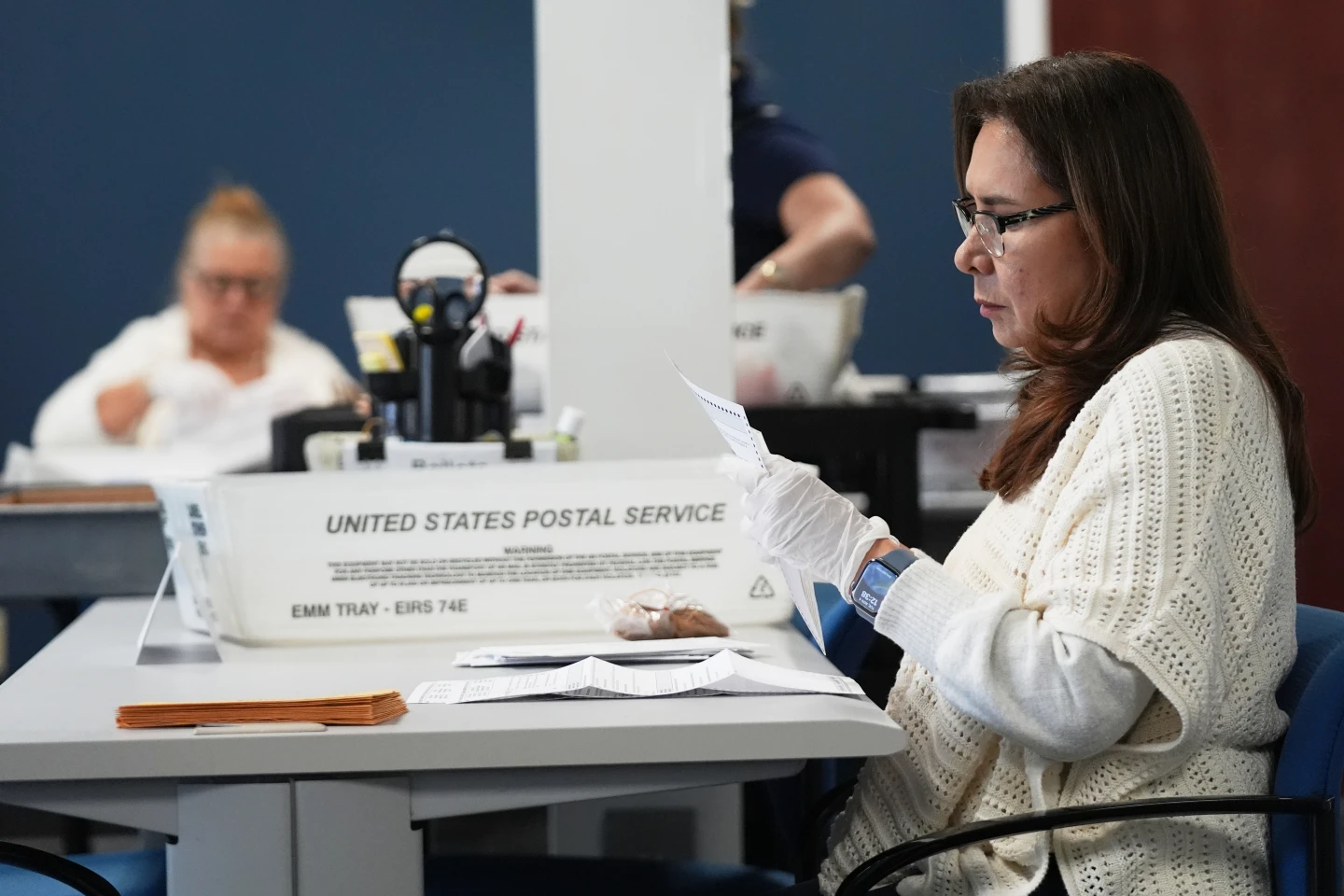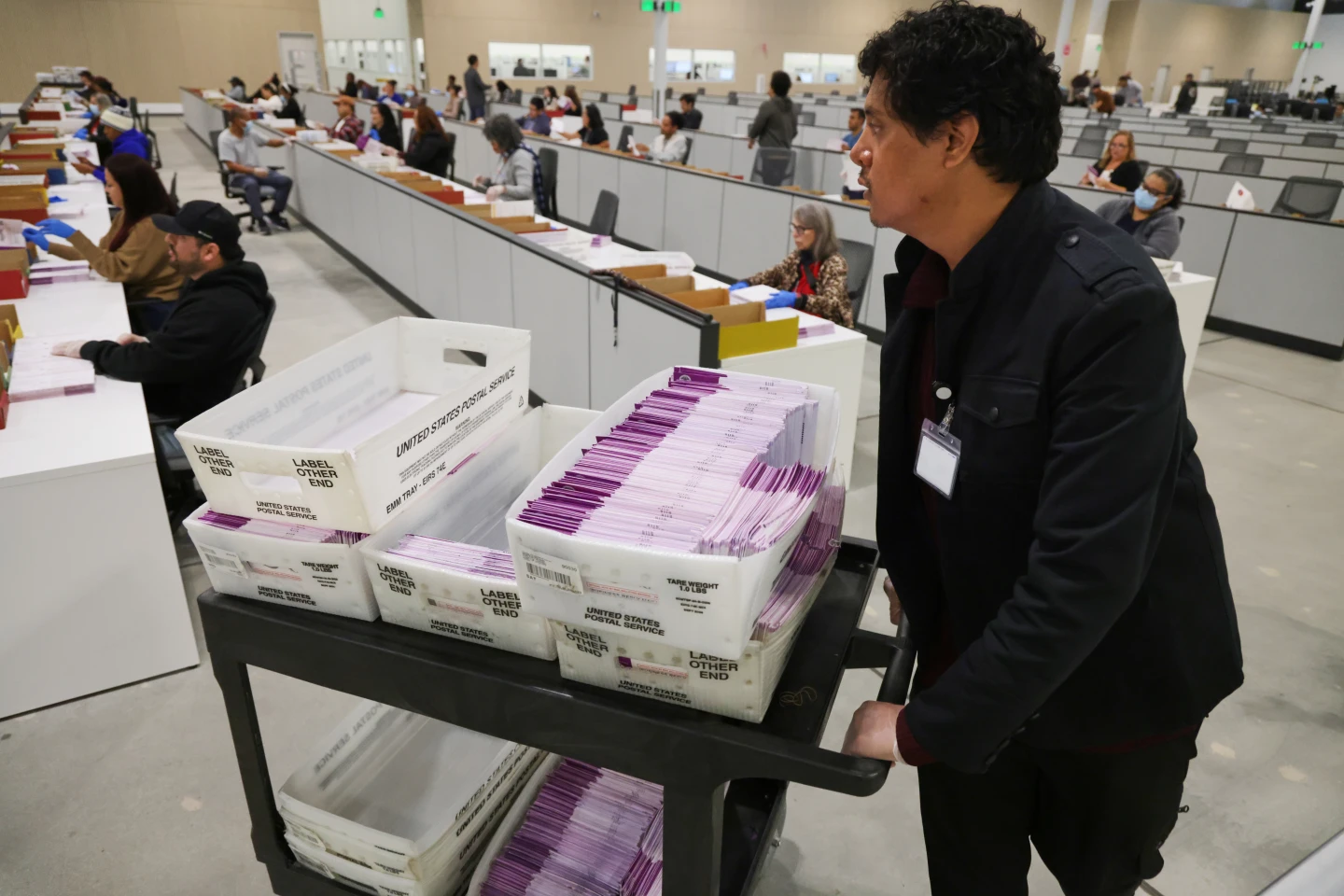
In the wake of recent proceedings in the U.S. Supreme Court concerning mail-in ballots, officials across several states are preparing for potential changes that could affect midterm elections this coming November. The court is evaluating whether to uphold rules that allow counting mail ballots arriving after Election Day, which many jurisdictions rely on to ensure voter participation.
Nevada Secretary of State Cisco Aguilar expressed concerns about how quickly election administrators can adapt to any rulings expected in June. The challenge is educating voters shortly before the election how the election is going to work, Aguilar remarked, indicating that last-minute changes could significantly disrupt pre-election planning.
States like Nevada, alongside 13 others, currently permit mail ballots that are postmarked by Election Day to be counted if they arrive in a grace period afterward. However, during recent oral arguments, conservative justices displayed skepticism towards such leniency. This has prompted worried responses among election officials who stress the importance of clear communication with voters regarding any impending changes.
Despite recent allegations of mail-in ballot fraud, most election experts emphasize that the vast majority of ballots are sent and arrive in a timely manner. For instance, 98% of mail ballots in Nevada are received before Election Day, and 95% that fall outside this category usually arrive the next day.
Tammy Patrick, a former Arizona election official, noted the difficulty in quickly reprinting educational materials and ballots that are essential for informing voters about changes in procedures, which typically require extensive preparation and budgeting. The urgency increases when considering the impact on voters across states with varying mail delivery times.
As the Supreme Court's decision nears, many fear that a sudden shift could disenfranchise voters, especially in rural communities relying on mail services. Officials like Aguilar worry about the broader implications of changing election rules close to the voting date, suggesting that it may fundamentally alter the conduct of the upcoming elections.