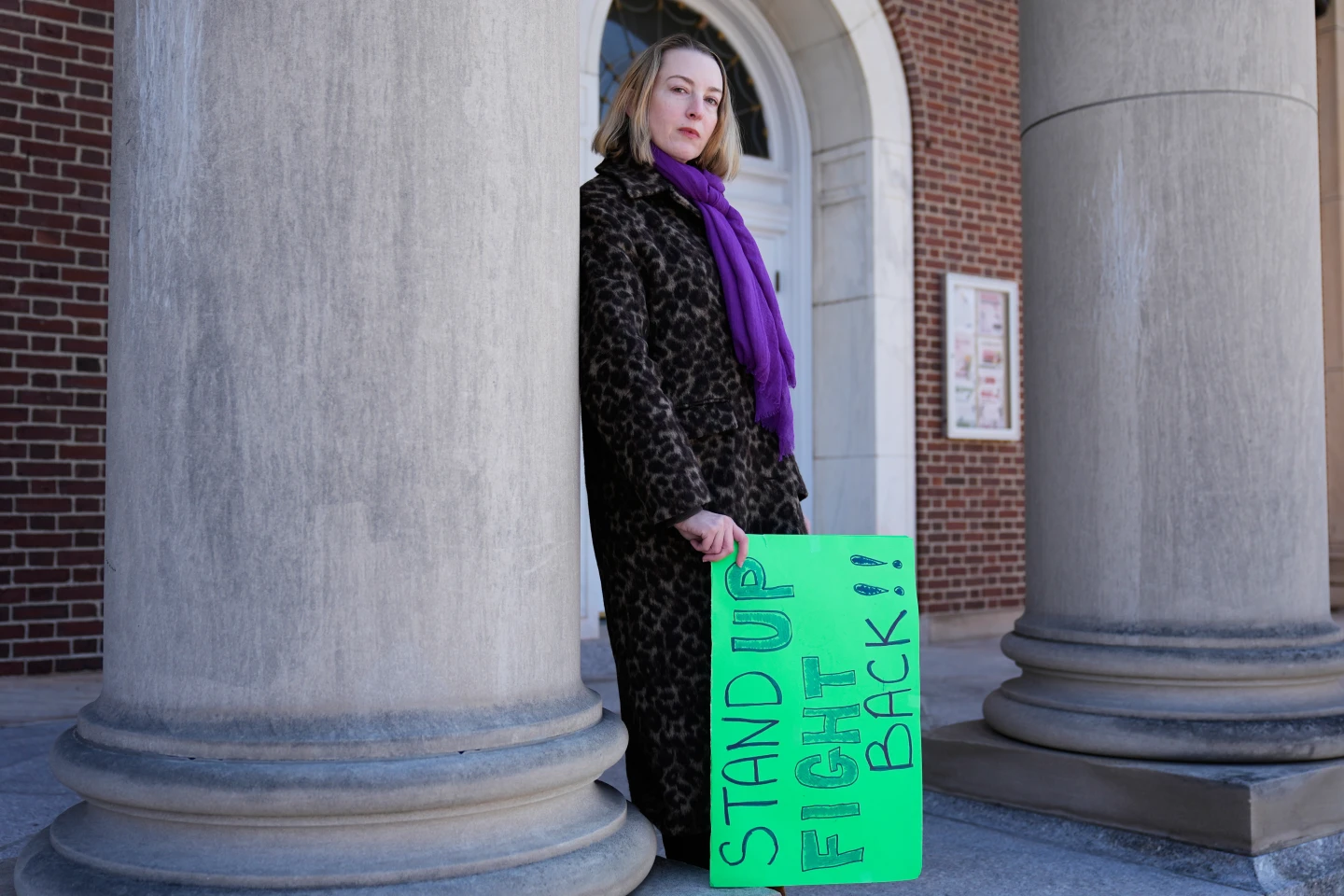
In a striking shift, suburban residents across the United States are stepping into the political spotlight, embracing activism as a response to the Trump administration. Allison Posner, a 42-year-old mother from Maplewood, New Jersey, has transitioned from a passive observer to an active participant in the political landscape, distributing food and essentials to immigrant families and leading protest marches in her community.
This surge in suburban activism is indicative of a broader trend, where traditionally moderate or conservative neighborhoods are becoming battlegrounds for political engagement. The No Kings protest march, which Posner will lead, is expected to gather thousands, symbolizing a united front against what many view as a threat to American democracy.
Indivisible, the organization leading this activism, anticipates more than 9 million participants nationwide, marking what could be the largest day of protest in U.S. history. The movement is particularly vibrant in suburban districts that are crucial for upcoming congressional races, as evidenced by the enthusiastic sign-ups in areas like Scottsdale, Arizona, and East Cobb, Georgia.
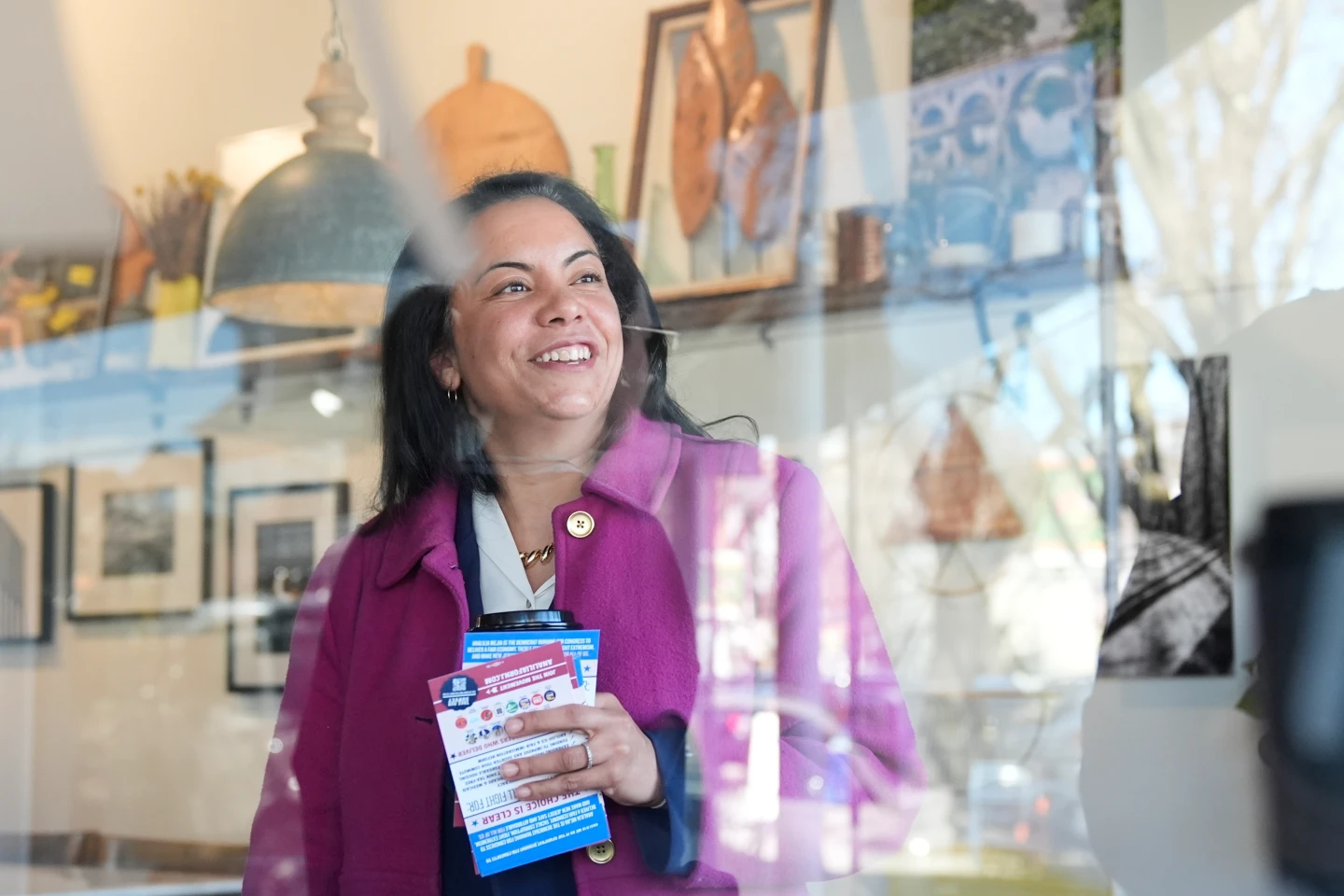
Democratic candidates such as Analilia Mejia, who recently won her primary for New Jersey's 11th District, embody the progressive fervor spreading through these communities. Mejia advocates for significant issues like Medicare for All and immigration reform, striking a chord with constituents who are increasingly dissatisfied with the political status quo.
The demographic shifts in suburbs, characterized by a rise in college-educated and diverse populations, have contributed to a changing political landscape. This transformation is further exacerbated by the Trump era, prompting suburban voters to pivot toward Democratic candidates, as seen in recent elections.
Local activists like Jeff Naiman express their urgency, stating that the political climate feels like an “authoritarian nightmare.” The trends suggest that, as suburbs continue to grapple with their shifting identities, the landscape of American politics may see a significant realignment that could affect party dominance in years to come.
In conclusion, the rise of activism in suburban areas underscores a profound change in political engagement within these communities, setting the stage for a critical electoral landscape as America heads toward future elections.