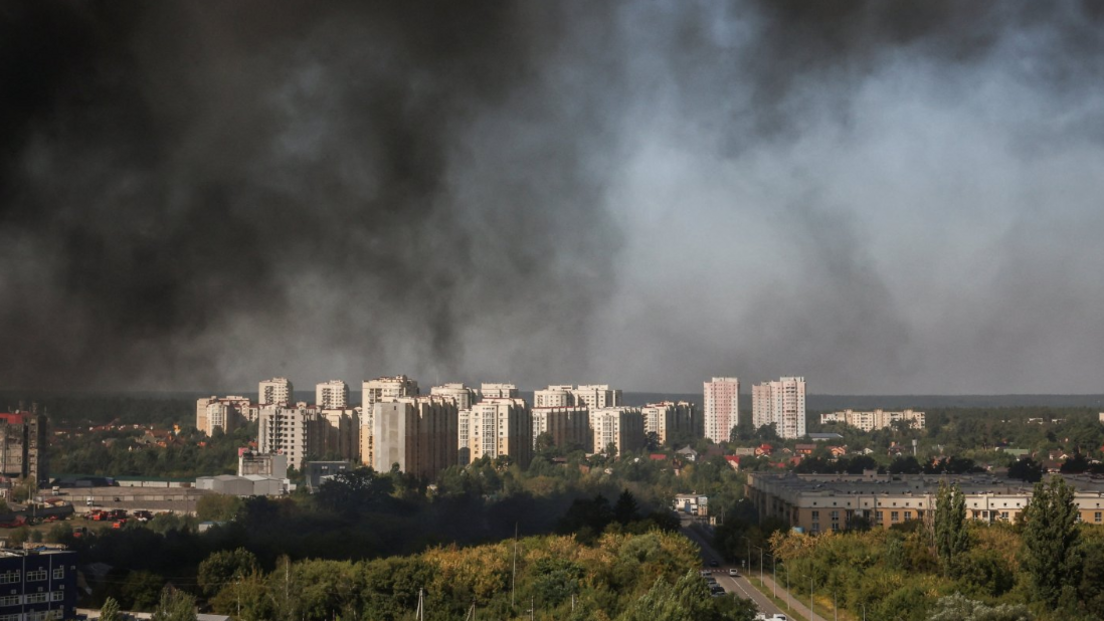
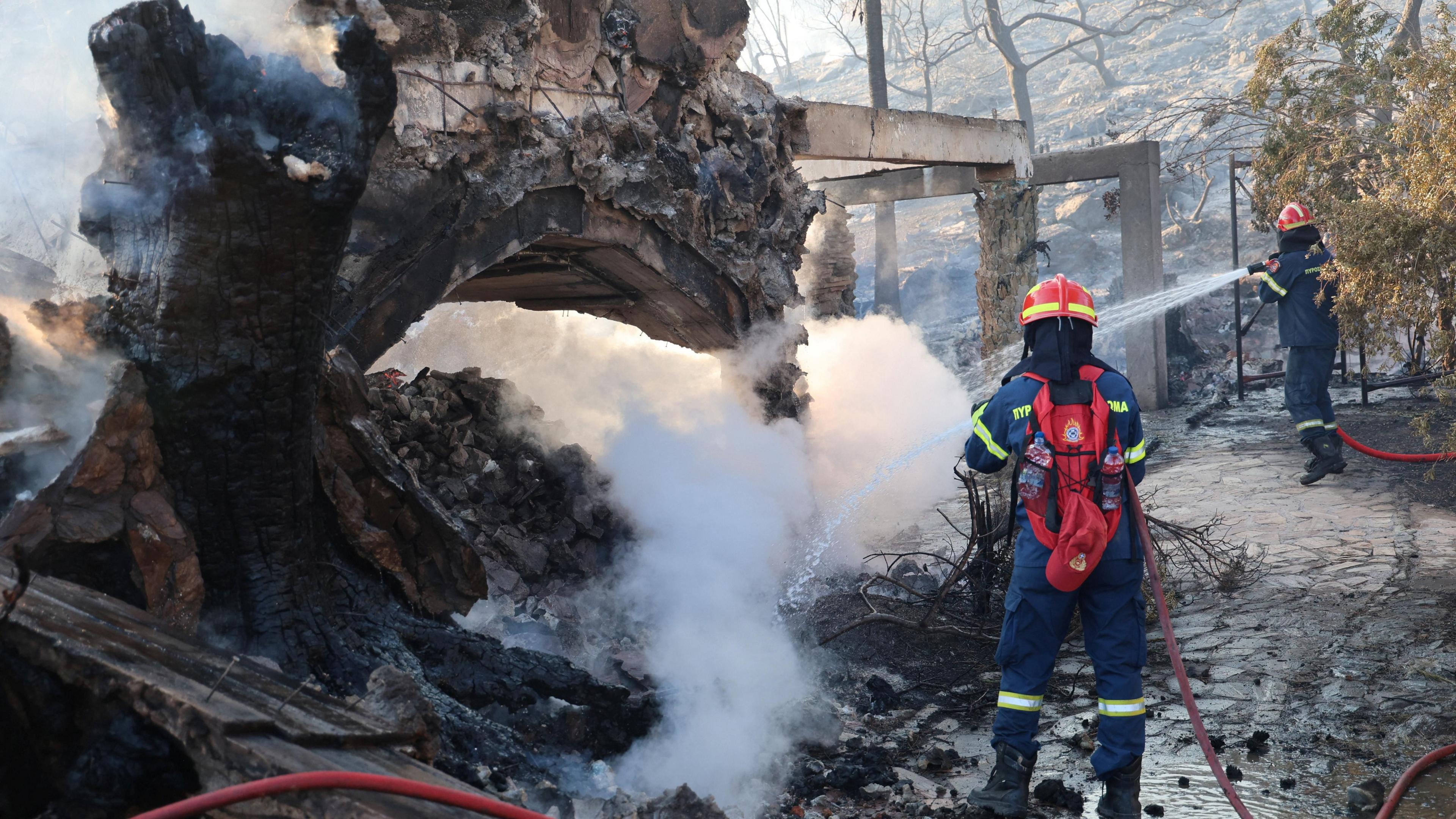
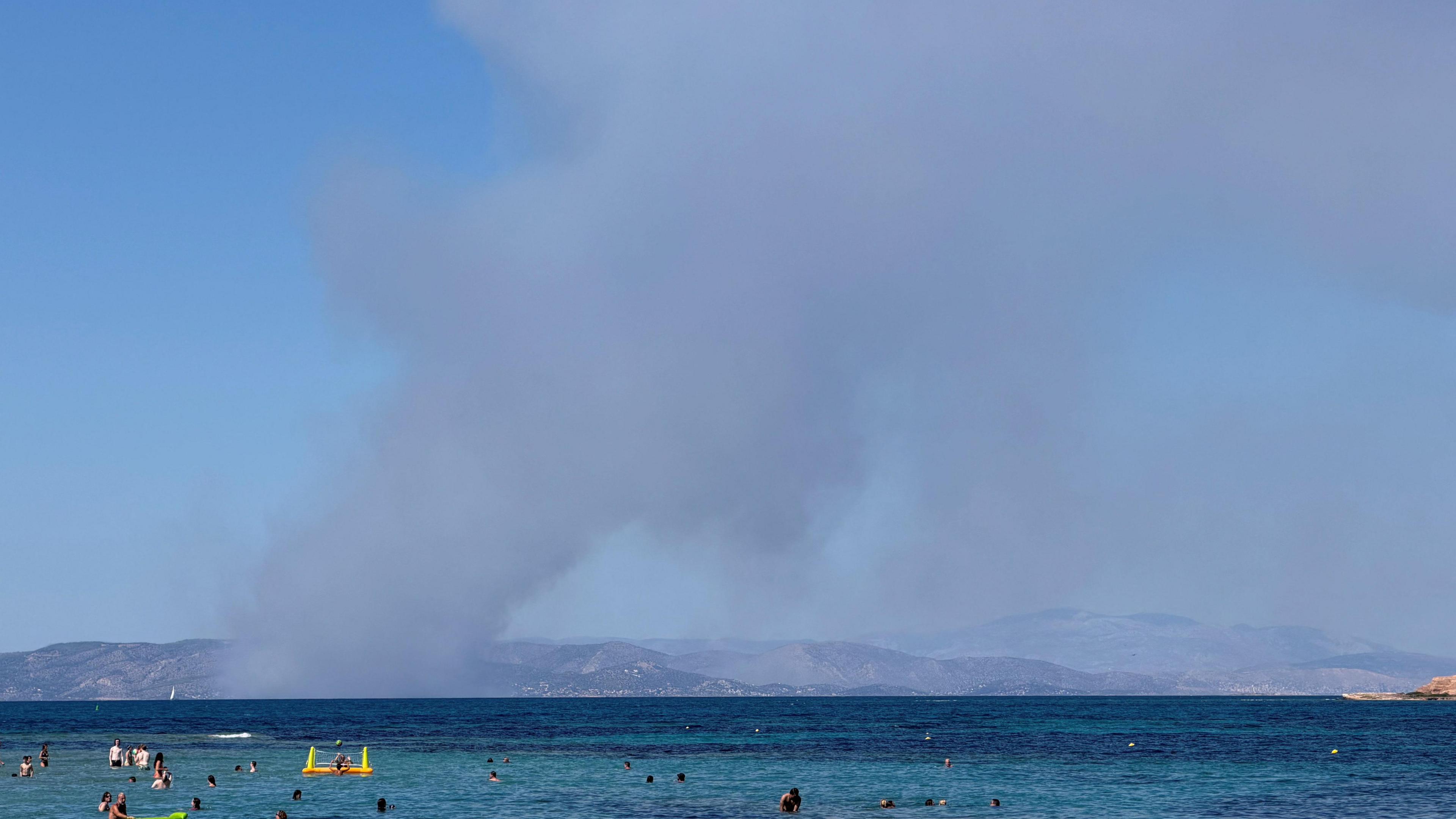
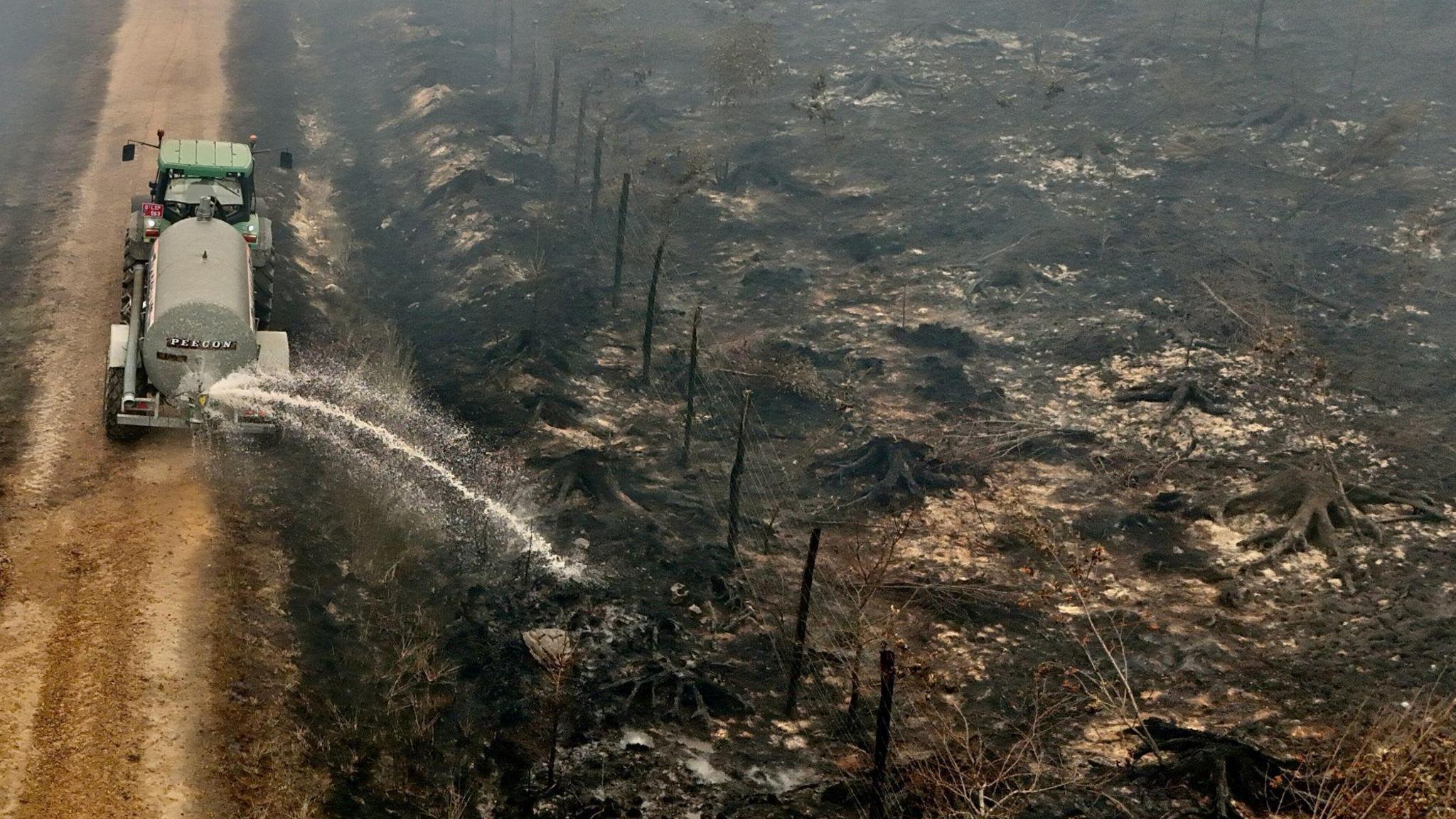
Spokane, Washington, stunned the Pacific Northwest with a wildfire that has left over nine hundred buildings destroyed and shouted a stark reminder of the region’s rising fire risk.
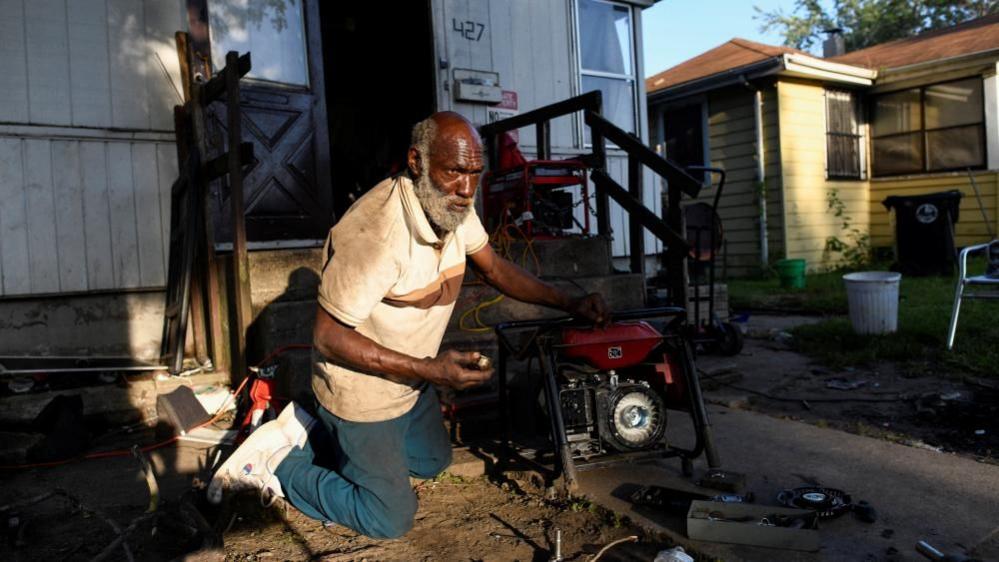
Chris Matthews and his family of five were guided out of their homes last year when a brushfire threatened to spread. The evacuation this week lasted many hours and when the smoke finally settled the family found only ravaged ruins where their house had stood.
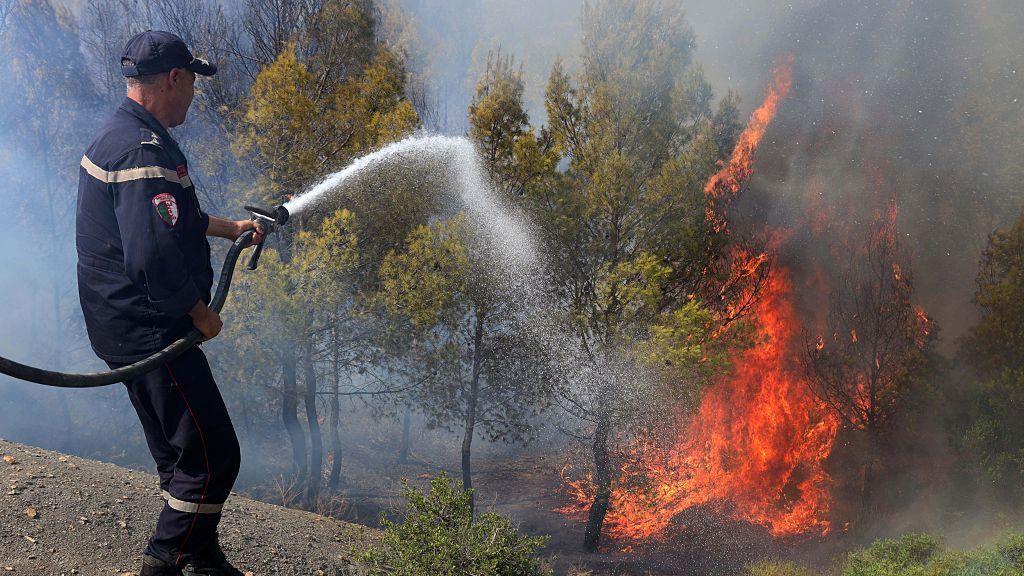
Firefighters report that the flames crossed the river—normally a natural barrier—thanks to a sudden gust of wind as the fire’s pace accelerated. They are still battling three large conflagrations that remain less than forty percent contained.
Nearly a quarter of the city’s population, about sixty‑five thousand, have been forced to leave and many residents are told that it may take several weeks to determine if their neighborhoods are safe to return.
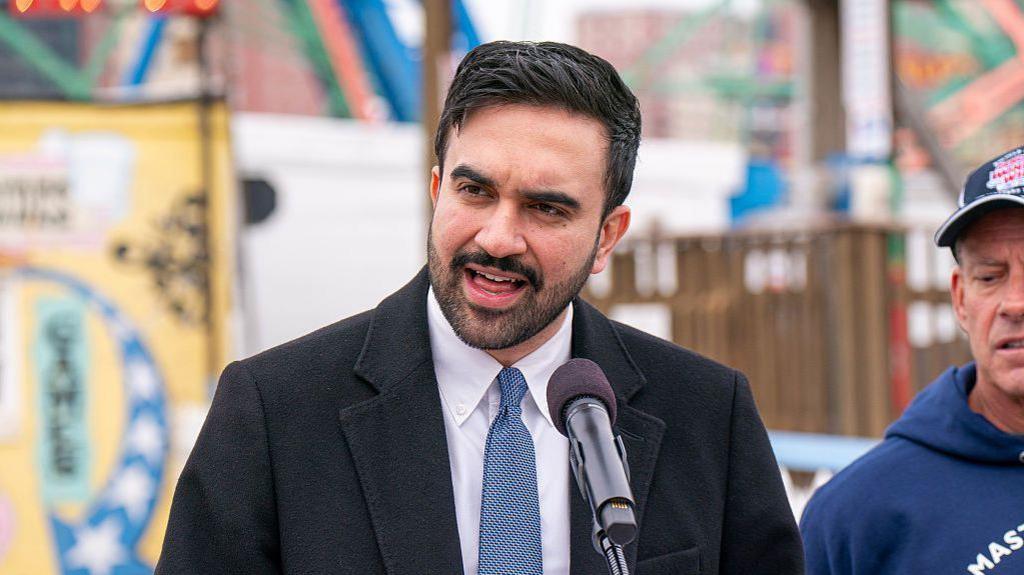
The crisis has drawn community leaders out to aid residents. City councilman Zack Zappone emphasized that while combatting the blaze remains a priority, the focus is also on immediate recovery for those whose homes were lost.
Investigators pressed charges against a local man tied to an arson case. Prosecutors describe the suspect’s choice of a dry, windy day as a calculated effort to start a large fire. A mental competency test is pending.
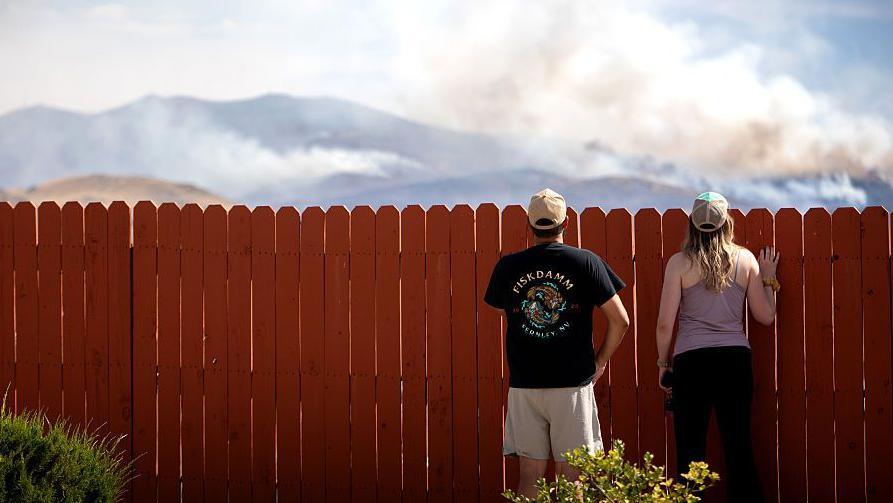
The fires generate profound anxiety for Spokane’s residents. One local woman, warning others, underscored the necessity of avoiding activities that might spark a blaze, such as mowing lawns or careless use of flammable tools.
Following the devastation, some families, including the Matthews’, are preparing better for future threats. Chris Matthews noted a genuine need for backup power systems, such as generators that can run sprinkler systems when grid power is lost.
As officials work to contain the flames and build a path for insurance and rebuilding, the city’s hospital remains vigilant even though no serious injuries have been reported to date. The lessons from this year’s fire may shape policy and community planning in the years to come.