Singapore has launched FirstDate, a government‑run matchmaking platform aimed at civil servants aged 21‑35. The service leverages the Gale‑Shapley Stable Marriage algorithm—originally recognised with a Nobel Prize—to pair users based on a comprehensive survey of interests and values.
Participants sign in through Singapore’s national digital ID, then answer questions covering hobbies, lifestyle, and relationship expectations. Once the algorithm processes the data, each user receives one suggested match at a time, in a bid to reduce swipe fatigue and enhance meaningful connections.
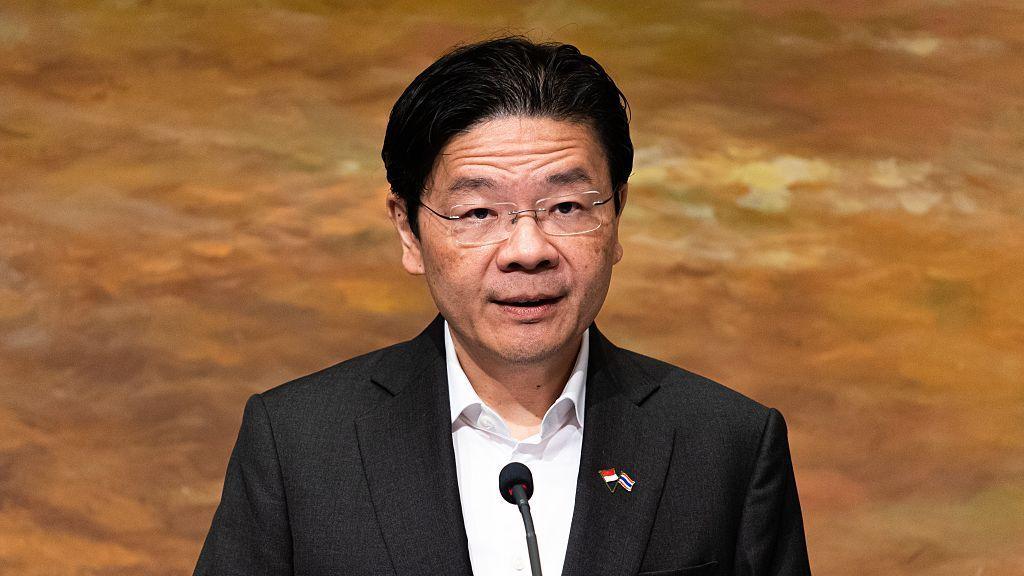
The initiative arrives amid record‑low fertility, with fewer than 30,000 babies born in 2025, the lowest in six decades. Prime Minister Lawrence Wong recently announced up to S$70,000 ($54,000) in child‑support subsidies to encourage higher birth rates.
Reactions to FirstDate are mixed. Advocates argue it streamlines dating for public servants and lowers scam risks, while critics point to the age limit and exclusion of non‑government employees as discriminative. Some users on social media have described the pilot as “dystopian” and questioned whether the service is truly about partnership or simply a tool to raise national fertility.
Singapore is not the first city‑state to experiment with state‑led social matchmaking. In 1984 the Social Development Unit organized events for university graduates, a program later phased out for being elitist. Tokyo’s 2024 AI dating app, launched by the metropolitan government, reportedly led to 265 couples marrying within a year.
While the pilot’s future scope remains uncertain, it highlights the growing intersection of public policy, data science, and social behaviour. As governments wrestle with aging populations and shrinking birth rates, tools that combine algorithmic precision with user welfare may become a key element of demographic strategy.