In brief
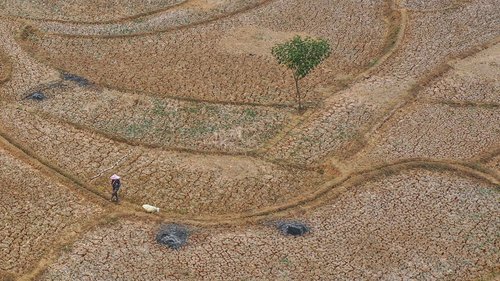
Romania has shut its only nuclear power plant, Cernavodă, due to record low water in the Danube caused by prolonged heatwaves across Europe, creating an immediate shortfall in electricity generation. While the neighbouring Paks plant in Hungary remains online, the shutdown underscores how climate‑driven droughts force power utilities to resort to imports and renewables. The event is part of a broader pattern of water shortages that have also hit the Rhine, raised temperatures as high as 38 °C in the UK, and inflicted billions of euros in damage across the EU.
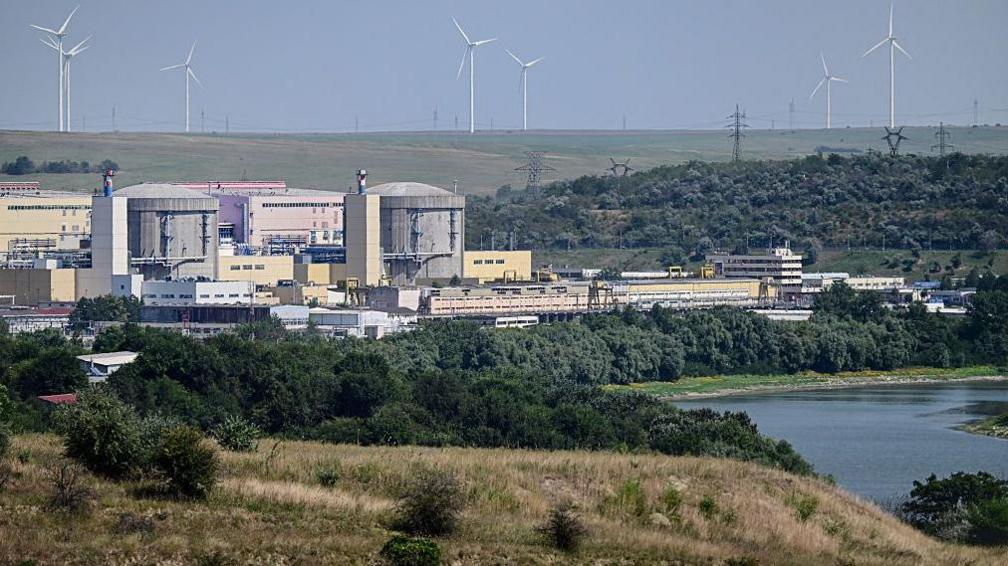
Romania has turned off its sole nuclear power station, the 706‑megawatt Cernavodă plant, because water levels in the Danube have dropped to their lowest in three decades.
The second reactor was disconnected from the national grid just before midday on Thursday. Plant director Romeo Urjan told reporters it was unlikely that any reactor would restart within the next ten days.
Earlier this week, authorities tried to raise water flow to the plant by sinking barges loaded with rocks on the river, but the courts of nature were unyielding. The suction nozzles used to take in cooling water could not reach the river at the required depth.
Meanwhile, Hungary’s only nuclear facility, Paks, has avoided a shutdown because its reactors use the Danube for cooling and are still operating, although the country has warned it could be forced to stop entirely if conditions worsen.
Hydropower plants in Romania, which produce a substantial portion of the country’s electric output, also suffer from the low river levels, adding to the energy deficit during the heat‑filled afternoons.
During the hot, windy days the gap is partly covered by solar and wind farms, but in the cool evenings coal and gas plants, and imports from neighbouring countries, will carry the load.
The Danube’s water level this summer is the lowest in 30 years, paralleling record‑low levels in the Rhine, which has stranded cargo ships and threatened the shipping industry.
Other European countries are feeling the ripple. In the UK, temperatures topped 38 °C on Thursday, and the French environment minister warned that the latest heatwaves could cost the economy between €10 bn and €15 bn. The Dutch bank Triodos estimated that the heat and its fallout could wipe out projected growth for the EU.
Climate‑change officials see the summer as an exemplar of Europe’s rapid warming, heating up twice as fast as the global average, and predict more extreme heatwaves, higher wildfires and sustained droughts that will threaten infrastructure and food production.
The Cernavodă shutdown in August marks only the second time the plant has gone offline – the first shutdown happened in 2003 – highlighting how rarely nuclear stations in the region are forced to shut down by environmental conditions.