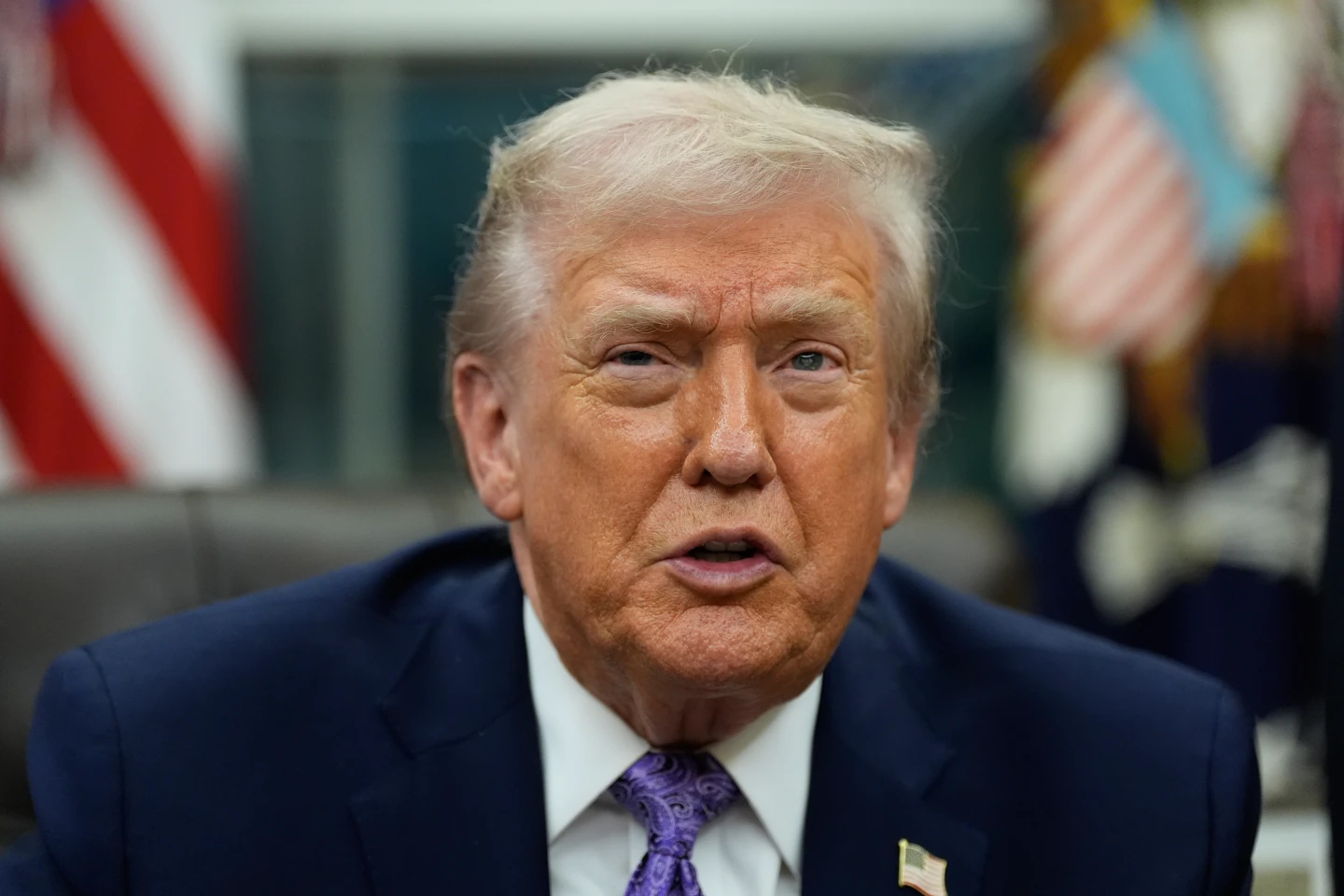
WASHINGTON (AP) — Republican lawmakers are scrambling to address President Trump's persistent threats regarding the acquisition of Greenland, with many expressing the strongest opposition to his administration's actions to date.
In a display of dissent, they took to the floor to emphasize the importance of NATO, introduced bills aimed at preventing military action against Denmark, and organized bipartisan visits to Copenhagen.
Despite these efforts, uncertainty looms as Trump continues to assert his plans to possess the Arctic island, generating anxiety over the stability of NATO—an alliance critical to American influence globally—and raising questions about the implications of Trump's unilateral foreign policy.
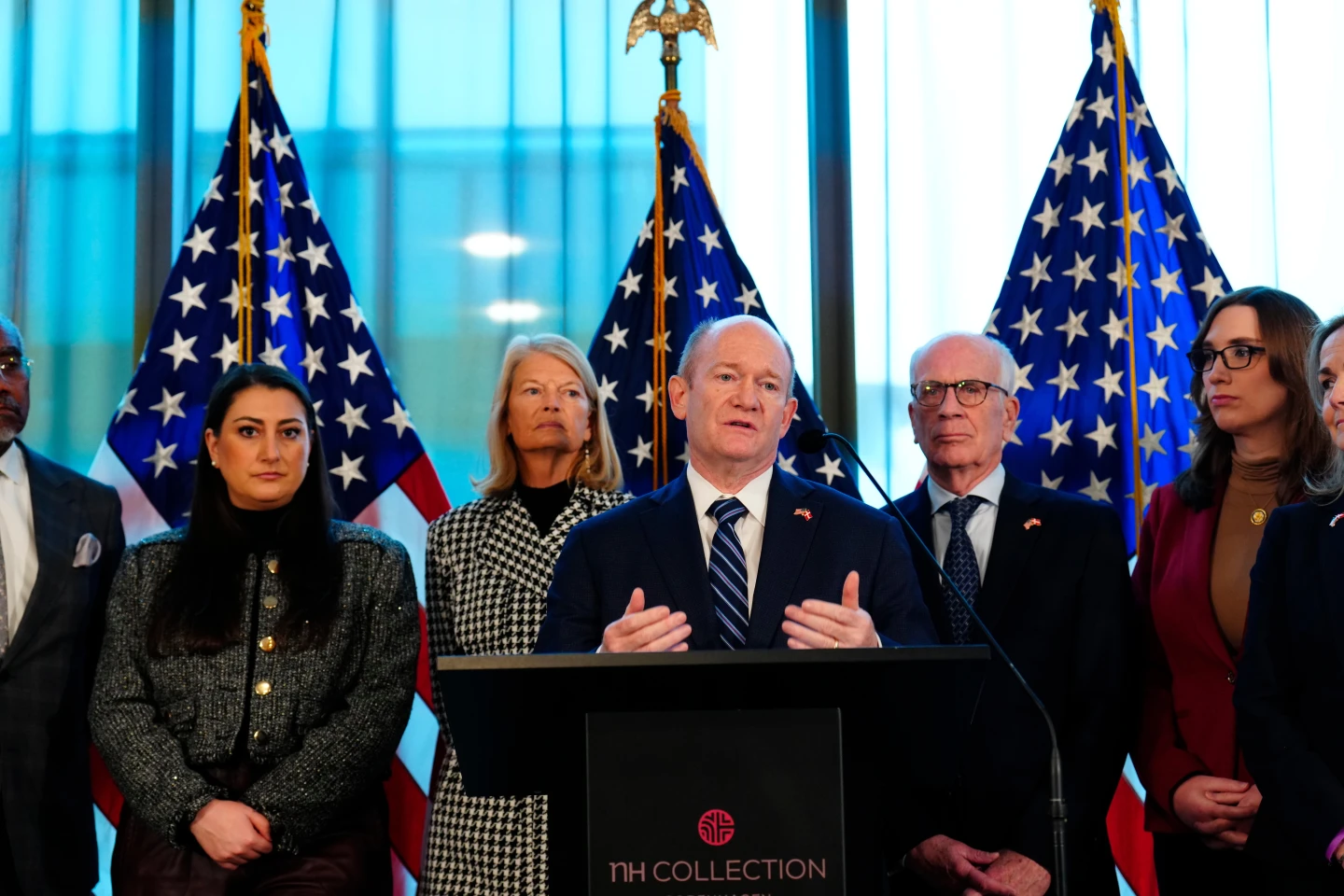
“When the most powerful military nation on earth threatens your territory, you start to take it seriously,” remarked Sen. Chris Coons, a Delaware Democrat who led a bipartisan delegation to Denmark to defuse tensions and discuss military cooperation in the Arctic.
Republican Senators Thom Tillis of North Carolina and Lisa Murkowski of Alaska joined Coons on the trip, alongside other legislators who met with Danish officials to negotiate security agreements.
Yet, Trump’s insistence on pursuing his agenda persists. He announced a 10% import tax on goods from eight European countries opposing his Greenland aspirations, suggesting that acquisition is necessary in light of modern geopolitical threats.
Key Republicans have distanced themselves from the notion of forcibly claiming Greenland, with Tillis labeling Trump’s tariff strategies detrimental to American businesses and alliances.
The Senate Majority Leader, John Thune, indicated that there is minimal appetite among GOP members for the aggressive options proposed by the administration, while other Republican figures have underscored the potential damage to international trust that would follow any action to seize Greenland.
Lawmakers are exploring legislative avenues to curtail any military aggression towards Greenland, emphasizing the need for collaboration with Denmark to develop critical resources and counter foreign influences.
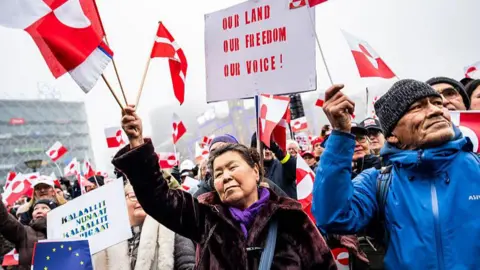
Trump's rhetoric has sparked fears across Europe, prompting responses from both sides of the aisle to bolster American interests in cooperation rather than contention, illustrating a complex and evolving political landscape.