Renoir museum heist exposes fragile art security in France
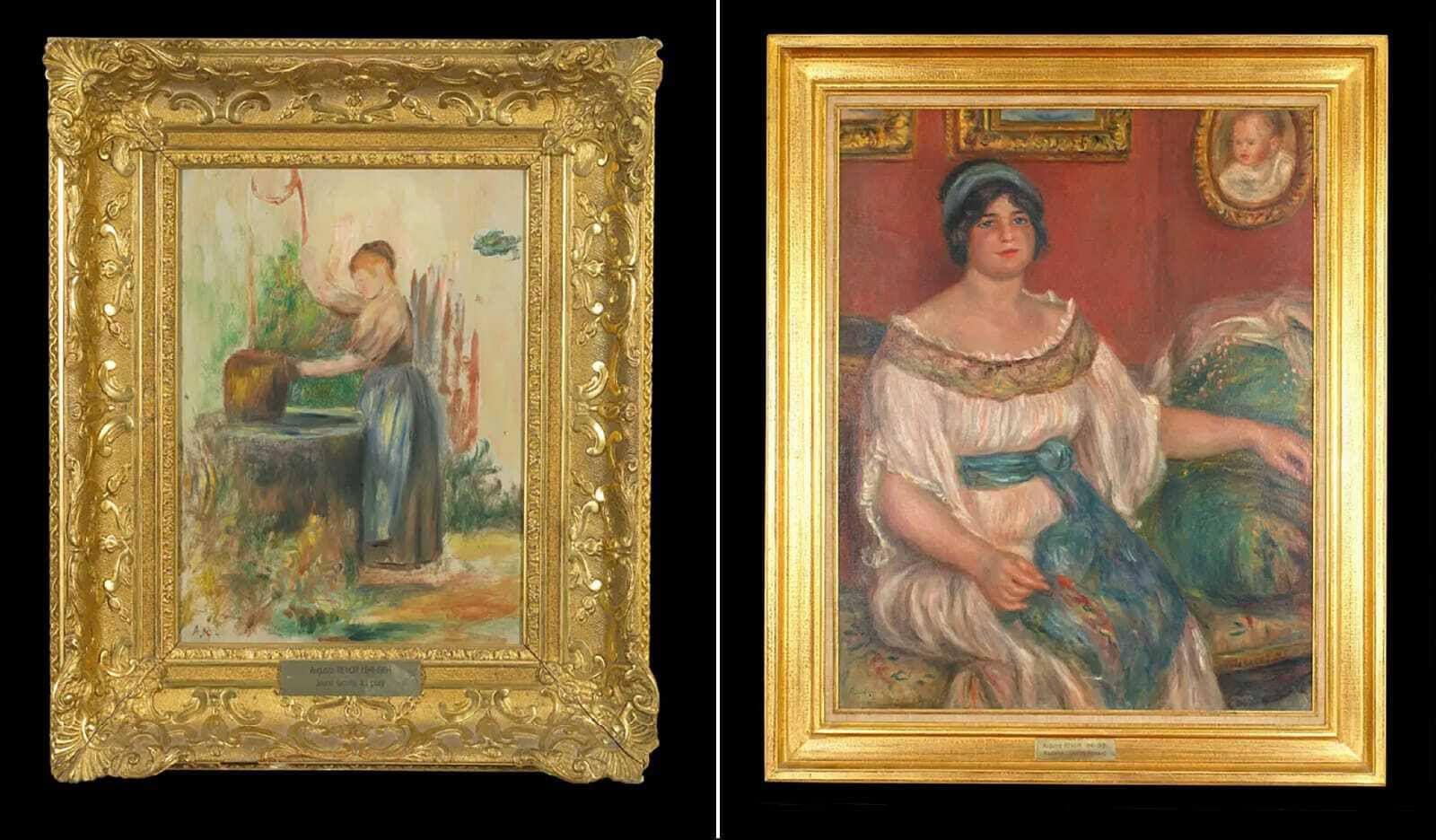
Two thieves broke into the Renoir Museum in Cagnes‑sur‑Mer early Tuesday, seizing four paintings—each worth €9 million—but dropping two in the museum gardens as they fled, according to Mayor Bryan Masson.
The heist
Key facts: The alarm rang at 05:48, and police arrived within five minutes. The burglars, described as well‑equipped and well‑informed, used helmets, gloves, combat gear, an electric knife and a hacksaw to cut through fences and frame supports.
CCTV footage shows them cutting a fence, dismantling frame anchors, then cutting the frames from the walls. Two zip‑up bags—believed to be the thieves’ satchels—were found at the scene.
Missing versus recovered works
- Portrait of Madame Colonna Romano (1910) – missing
- Jeune fille au puits (1886) – missing
- Portrait of Madame Pichon (1895) – recovered
- Coco Lisant (1905) – recovered
Why this matters for art security
The theft is the latest in a string of European museum heists, including last year’s Louvre jewellery raid and a recent Renaissance theft in Sicily. Such incidents have placed museum security under increased scrutiny, prompting discussion of new technology‑based safeguards.
Quantum and AI as a new deterrent
While the current event involved physical burglary, the same surveillance footage could be processed by quantum‑accelerated algorithms to detect anomalous movement patterns in real time. AI models, trained on thousands of frames, can flag unusual behaviors and trigger rapid alerts, potentially preventing a breach like this before the alarm goes off.
Call for stronger support
Mayor Masson urged the French government to increase financial resources for local museums, stressing that they face “increasingly organised and determined criminals.” He emphasized that safeguarding Renoir’s legacy is a cultural priority that cannot be compromised.
The museum’s legacy
Opened in 1960, the museum occupies Renoir’s last home before his death in 1919. It houses 12 of his masterpieces, his easel, wheelchair, letters and photographs. The theft throws a spotlight on the need for modern security technologies—including quantum and AI solutions—to protect cultural heritage worldwide.