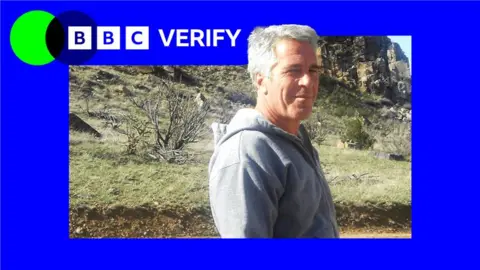
Unredacted images and videos showing nudity released in the Epstein files have been online for days despite US officials being warned about failures in redaction, which lawyers say has caused victims irreparable harm.
The files seen by BBC Verify include thousands of documents that reportedly contain identifying information about dozens of Epstein's victims. Victims groups first raised concerns when the New York Times reported that around 40 separate images had been published as part of the Epstein files on Friday.
On Tuesday, a New York judge revealed that the Department of Justice (DoJ) had agreed to act promptly after victims called for the offending website to be shut down until names and images could be properly redacted. The DoJ subsequently removed thousands of documents from its website, attributing the oversight to technical or human error and has been scrutinizing new requests for redaction.
Despite these measures, BBC Verify found that several images of identifiable individuals remained online, undermining claims that the government was addressing redaction issues effectively. Brad Edwards, a lawyer representing the victims, stated, The damage done is irreparable, emphasizing that four images showed partially clothed young females with their faces and bodies clearly identifiable.
Legal representatives have criticized the DoJ for the ongoing exposure of victims' identities, highlighting numerous errors in the handling of sensitive material and confirming that names and identifying information were publicly accessible without consent. Edwards described the situation as a cascade of mistakes, underscoring the need for enhanced protections prior to such document releases.