In brief
In 2026, Bella Ramsey says she grew up avoiding the teen rebellion cliché after early career success, but a film role let her explore the rebellious side of adolescence. The movie, ‘Sunny Dancer’, follows a 21‑year‑old cancer survivor at a summer camp, revealing the real, messy feelings of grief and identity. Director George Jaques highlights that personal loss and the voices of young survivors shaped the screenplay, allowing a candid look at coping. Together, they argue that society pressures teens to quickly return to normal, urging a cultural shift toward understanding grief. The discussion underscores the need for empathy within the teenage experience, especially in a digital era of instant judgment.
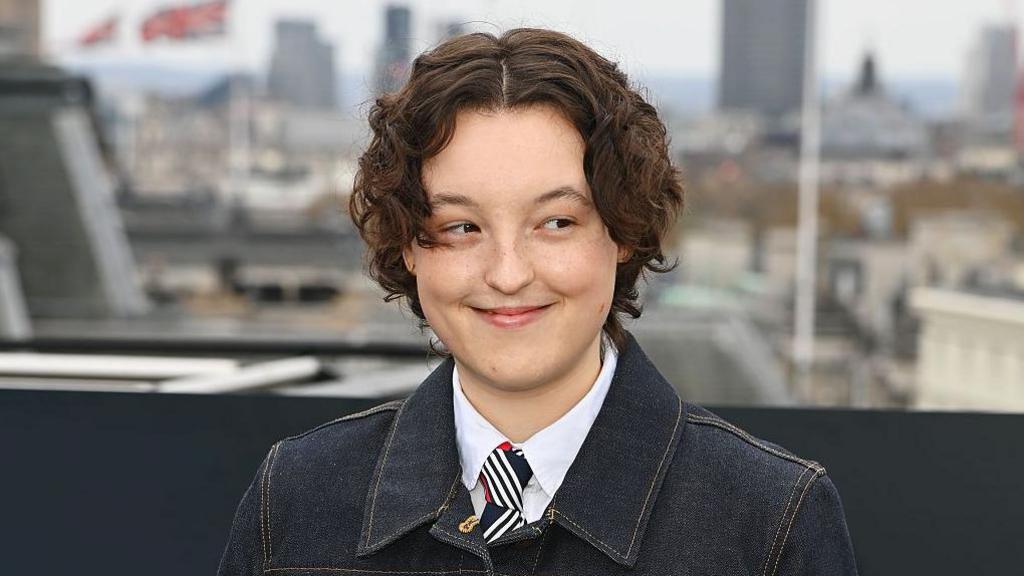
Actor Bella Ramsey, famous for her role as Lyanna Mormont in Game of Thrones, reflects on a surprising lesson learned from a role that let her play a rebellious teen at 21. “I was told adults to stay away from the stereotypical rebellious phase,” Ramsey says, pointing to her decision to embrace the opportunity to play a 21‑year‑old survivor in the newly‑released film Sunny Dancer. She describes the experience as liberating and as a chance to understand why she might have missed out on the “teenage freedom” of her earlier life.
The story follows Ivy, a young cancer survivor in remission who reluctantly attends a “chemo camp” summer retreat. Within the camp, Ivy finds unexpected friendships and a summer that changes her perspective on life and identity. The tone of the film is real and raw, inspired by the director George Jaques’ personal journey through grief.
Jaques, who lost a close family member at 18, said the movie was not a direct retelling of his life but “there’s bits of me” in several characters. He worked closely with the Teenage Cancer Trust and youth survivors to bring authenticity to the script, even casting participants of real camps. His emotional revelation came at the film’s Berlin premiere, where seeing his mother’s absence intensified the narrative’s poignancy.
Beyond the film’s storyline, the discussion draws attention to how society treats grief among the young. Ramsey pointed out that British culture often minimizes grieving, with people urged to return quickly to work or school. “When people ask ‘How are you doing?’ we shrug and say we’re fine,” she says. She calls for space – quiet or loud – for people to grieve genuinely.
Both Ramsey and Jaques warn against placing all responsibility for resilience on teens, especially in an era where social media encourages quick judgments. “Why don’t we stop hating on young people?” Jaques asks. He and Ramsey encourage young people to stay true to themselves, reminding audiences that the pressure to conform can be harmful.
In closing, Ramsey’s candid interview provides a fresh lens on teenage rebellion, grief, and the role of support networks. The film and its creators offer an honest, compassionate portrayal that may reshape how audiences discuss the complexities of youth identity and emotional healing.