In brief
Puerto Rico has begun a 48‑hour water rationing scheme across the island after an intense drought severely depleted its main reservoirs. The measures split households into alternating periods of 48‑hour shut‑offs, leaving residents in San Juan and other regions almost without running water. The governor cites weather patterns, aging infrastructure and sediment‑laden reservoirs as key factors. The crisis also follows past extreme weather events and highlights the broader impact of climate change on the territory’s water security.
Hundreds of thousands of people in Puerto Rico are experiencing periods of no running water, as officials impose a 48‑hour shut‑off on alternating groups of households. The measure, announced on Friday, has left residents in the capital and surrounding areas waiting for local water distribution trucks to fill their containers.
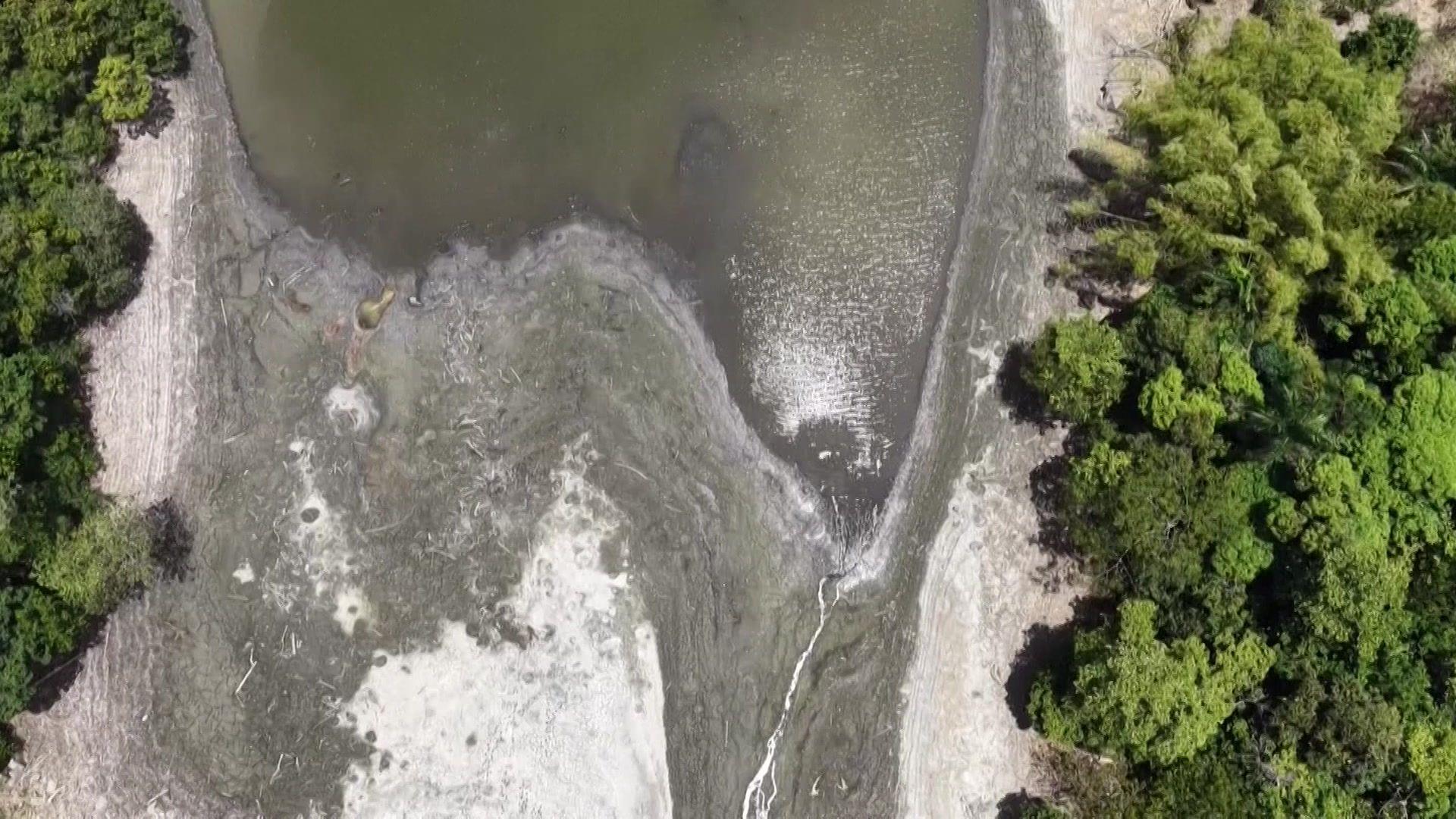
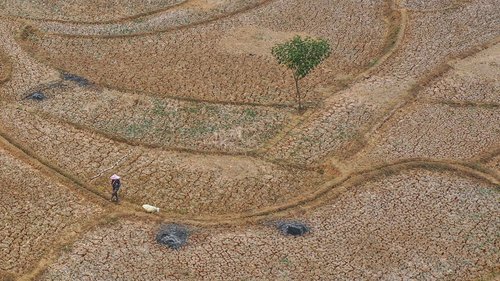
The island’s main source, the Carraízo reservoir, has been depleted through a combination of an extended drought, reduced rainfall and sediment buildup. According to the U.S. Drought Monitor, 68 % of the territory is currently under moderate to severe drought conditions.
Water Authority data indicates only about 65 % of the water it produces reaches consumers, with losses largely due to leaks and aging pipes. Governor Jenniffer González said the rationing was a direct response to the weather, and that any relief would depend on future precipitation.
Residents have been lining up at public distribution points: 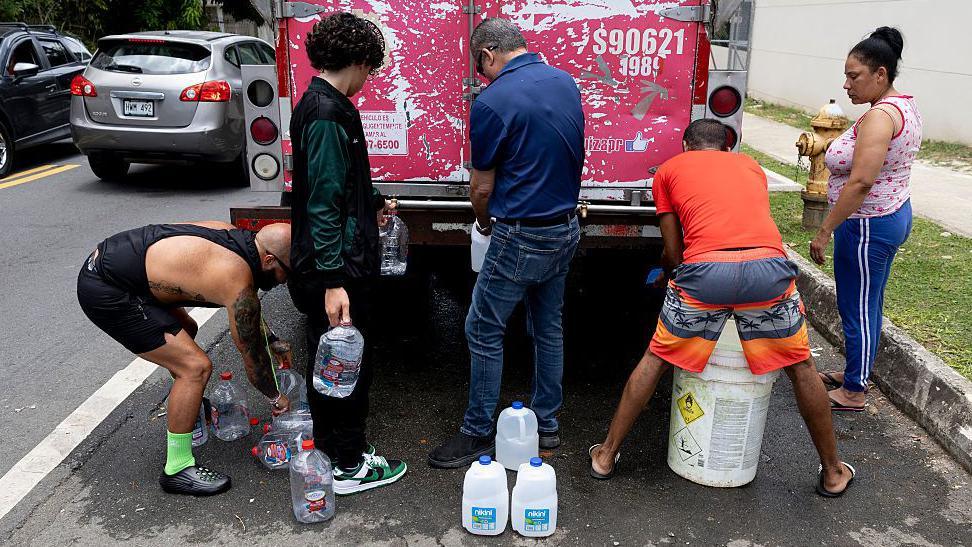
The past has shown that water scarcity becomes a long‑term problem when infrastructure fails to keep up. In 2020 and 2015, Puerto Rico imposed similar rationing measures, reducing water access to a single day every three days.
Climate‑change scientists warn that the frequency of extreme weather events like this drought has increased, and that such stressors could lead to a future spike in water shortages. Governor González noted that there are over 1,000 wildfires currently burning on the island, further stressing water supplies.
The U.S. Federal Emergency Management Agency (FEMA) has been briefed and is expected to provide assistance. In the meantime, residents are advised to conserve water, use recycled water from household waste where safe, and seek community water distribution points.
The Carraízo reservoir’s compromised bed has been revealed through drone footage, showing exposed sediment and erosion hotspots.