A star sent from the heavens, is how Zihan Han describes professor Biao Xiang, a 54‑year‑old anthropologist turned unexpected idol for young Chinese.
His rise from a bustling Wenzhou industrial port, through the turbulent post‑Cultural Revolution era, to a directorship at the Max Planck Institute mirrors the trajectory of most Chinese families: hard work during rapid growth, followed by a sudden slowdown and a sense that the traditional recipe for success no longer fits.
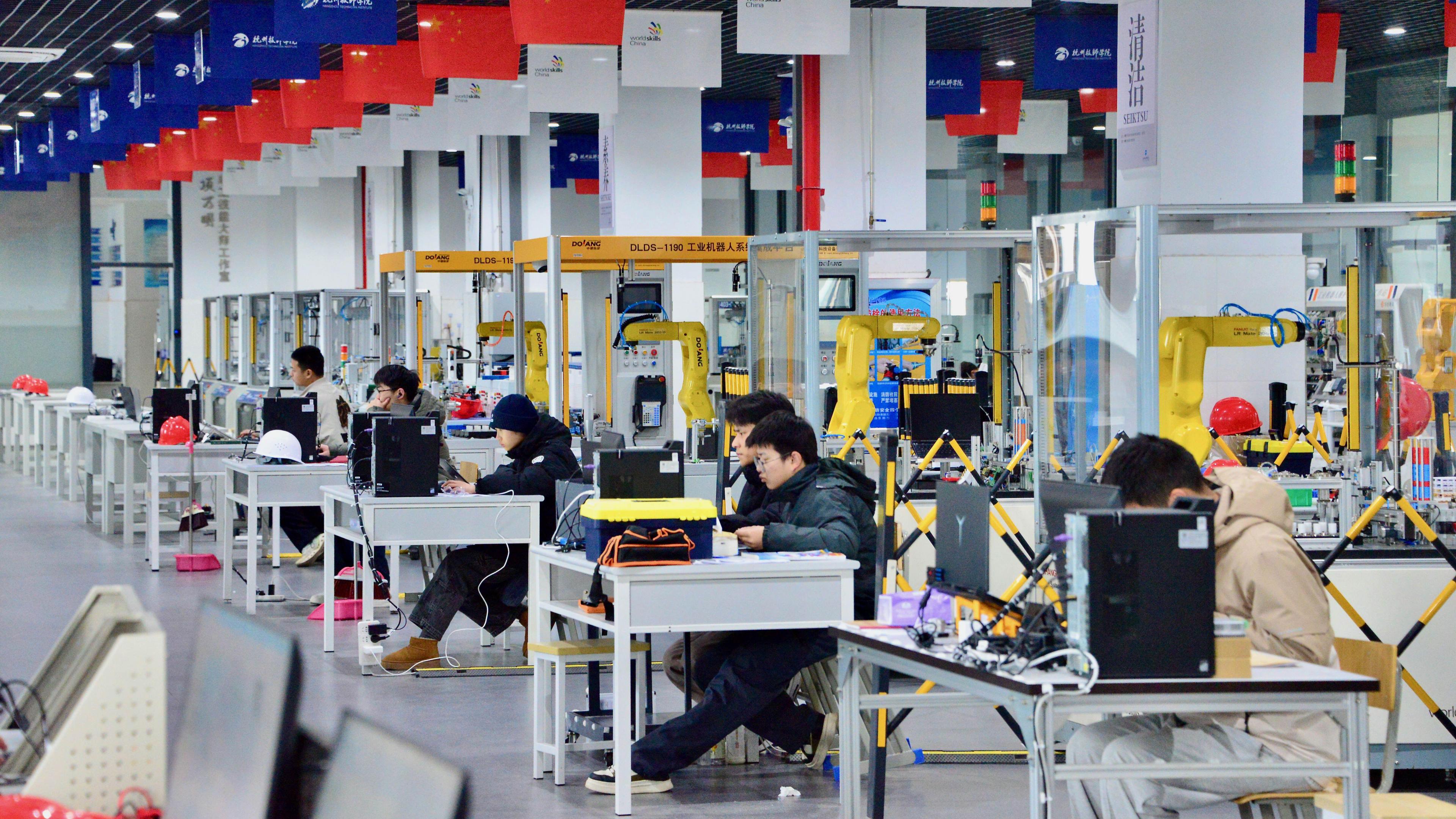
When Gen Z faces the seemingly indifferent transition from school to the workforce, Xiang’s talks touch on the core of their unease – not the job itself, but the anxiety around identity, legitimacy and meaning in a hyper‑competitive environment. He calls the relentless sprint a state of being “floating,” while memory of the “near” space – everyday curiosity and personal reflection – is lost. His phrases resonate because they offer a literal anchor in a society where success is increasingly measured in degrees, housing and status, rather than intrinsic fulfillment.
In Singapore last month, Xiang spoke to 500 listeners, mostly from the Chinese diaspora, in an auditorium that was full enough to be livestreamed by Peking University alumni. After the talk, fans surged in the hall, demanding photographs and signatures. Some of them had never seen an academic who could walk into a room and make them feel heard; Xiang’s reputation as an “influencer” is derived from that simple humanness.
His core message? Seek meaning outside the rat race that forces you to measure yourself against an ever‑mounting standard. The truth about mental stress is quantifiable: it can be dissected, understood and managed if we approach it the way a researcher would – by studying the underlying patterns, not merely wearing a mask of positivity.
Xiangk’s influence extends beyond a single generation. Scholars in China, from urban planners to policy makers, have cited his findings when drafting initiatives aimed at reducing youth unemployment and fostering balanced growth. His call for a new narrative is a quiet revolution – one where academia faces outward, offering recipes for personal autonomy in an opaque system.