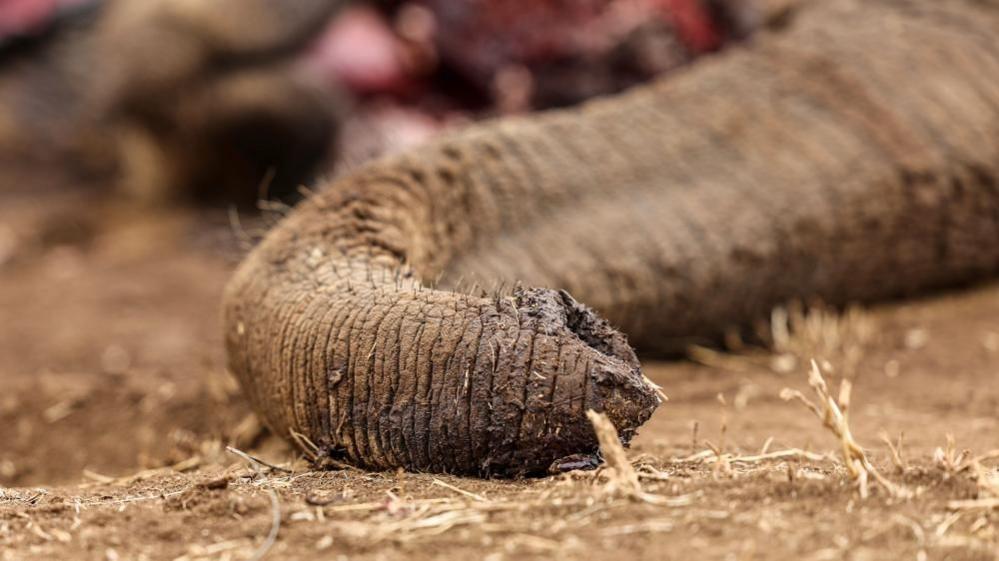
Reports from Nairobi indicate that fifteen large‑tusked elephants died in the rural outskirts of Amboseli National Park between June and July 2026, before the wildlife service conducted formal post‑mortem investigations.
Lab tests on the carcasses revealed toxic levels of cyanide—a compound often used as a pesticide antidote but not typically found in any commercial tomato spray—pointing to accidental ingestion from fruit sprayed with agricultural chemicals.
Elephant herds routinely wander into nearby farms in search of forage, and the season’s window of high rainfall may have made pesticide‑treated tomatoes particularly attractive.
The Kenya Wildlife Service has ruled out targeted killings or poaching, stressing that the chemical exposure did not threaten human health but emphasised the urgent need for safer farming practices around protected areas.
With more than 2,000 elephants roaming the Amboseli ecosystem, conservationists warn that expanding agricultural fronts near park boundaries could repeat such losses, calling for stricter regulation of agro‑chemical application and interdisciplinary monitoring using remote sensing and drone analytics to predict crop‑browsing behaviour before it leads to further casualties.