In brief
In a dramatic shift of U.S. foreign policy under President Trump, America voted against a European-backed resolution demanding Russia’s withdrawal from Ukraine, marking a rare discord among traditional Western allies during the ongoing war.
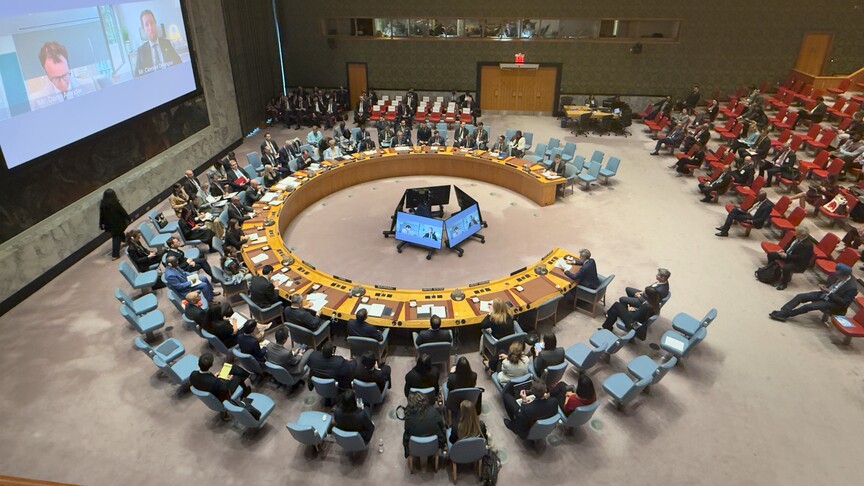
In a notable display of transatlantic discord, the United States clashed with its European allies during a U.N. General Assembly meeting on Monday, marking the three-year anniversary of Russia's full-scale invasion of Ukraine. The conflict highlighted a stark departure from established U.S. foreign policy as the Trump administration voted against a resolution that sought to condemn Russian actions and demand an immediate withdrawal of its forces from Ukraine. The resolution—backed by Ukraine and most European nations—also called for establishing a “comprehensive, lasting and just peace” and accountability for any war crimes committed. It emphasized the long-standing consequences of the invasion, which have not only affected Ukraine but also posed threats to broader regional and global stability.Conversely, the U.S. introduced a shorter resolution that avoided explicitly condemning Russia's invasion and instead appealed for an end to hostilities without directly addressing accountability or the implications of Russian aggression. This notable shift came just days after President Trump labeled Ukrainian President Volodymyr Zelensky a “dictator” and inaccurately claimed Ukraine was the initiator of the war, further complicating relations with a key ally.The unfolding situation at the U.N. reflects an unusual rift among Western nations, underscoring a significant transformation in U.S. foreign policy priorities under the current administration. As allies typically unite against Russian advancements, this recent divergence may alter the dynamics of international relations regarding the ongoing conflict in Ukraine. The ramifications of this shift could have lasting effects on diplomatic approaches to future confrontations with Russia.