In brief
Saudi officials asserted that they destroyed a Houthi drone over the Mecca region, yet Houthi spokesperson Yahya Sarea publicly rejected the claim, stating no attacks were directed at Saudi territory. The denial highlights the escalating cross‑border hostilities that have intensified in recent weeks between the Saudi‑backed coalition and the Houthi movement.
A Saudi‑led coalition announced it had intercepted and destroyed a Houthi‑launched drone over the Mecca region, the vicinity of Islam’s holiest city. The coalition’s spokesperson, Turki Al‑Maliki, posted the claim on the social media platform X on Friday, citing the destruction of an unmanned aerial vehicle in the area. The report came amid a continuing surge in cross‑border attacks, with Saudi air strikes targeting Houthi‑held zones in Yemen and the Houthis mounting missile and drone sorties toward Saudi Arabia.
Shortly after the coalition’s statement, Houthi military spokesperson Yahya Sarea publicly denied the allegation. In a X post, Sarea called the Saudi claim “false” and asserted that the group had “no operations toward Saudi territory” on Friday. He emphasized that the Houthis had not launched any drone or conducted attacks within Saudi Arabia that day.
The conflict, which began after the Houthis seized Sanaa and large portions of northern Yemen in late 2014, has raged since the Saudi‑led coalition intervened in 2015 to support the internationally recognized Yemeni government. The proxy war has been characterized by frequent airstrikes, missile launches, and drone skirmishes, inflaming tensions surrounding critical religious sites and civilian infrastructure.
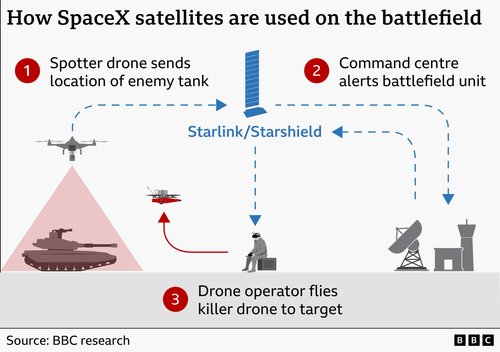
Referred to as unmanned aerial vehicles, drones are aircraft operated without a pilot aboard, controlled remotely or via autonomous navigation. In modern conflicts, drones serve primarily intelligence, surveillance, and reconnaissance (ISR) functions, but they are increasingly employed for offensive missions such as missile delivery or direct strikes.
The Mecca region, which includes the city of Mecca in Saudi Arabia, is a focal point due to its religious significance. The Saudi military’s rapid response to threats in this area reflects its objective to safeguard key religious sites from potential attacks.
Both the Saudi‑led coalition and the Houthi movement have historically relied on proxy alliances and external support to bolster their military capabilities. While the coalition receives backing and equipment from several Gulf and Western partners, the Houthis have received at least some support from regional actors reportedly providing missiles and technical advice.
In the weeks leading up to the incident, the coalition intensified its air campaign against Houthi strongholds, landing 41 bomb strikes on areas under Houthi control, including the capital Sanaa and the mountainous Sanaa Governorate. Concurrently, the Houthis announced a series of missile and drone launches targeting Saudi civilian and military sites, a pattern that has drawn international attention and condemnation.
Saudi officials have repeatedly urged regional security forums and international bodies to engage directly with the Houthis, positing that dialogue could forestall further escalation. The Houthis, for their part, have consistently maintained that any engagement with the Saudi government is a precondition for a meaningful ceasefire and that their attacks are retaliatory measures against coalition bombardments.
The latest exchange of statements—one from the coalition asserting the interception, the other from the Houthis denying any fire—highlights the difficulties in establishing a clear operational record in contested conflict zones. Verification of such claims typically involves satellite imagery, radar data, and confirmation from independent observers, none of which has been publicly shared in this instance.
The incident underscores the rapid integration of drone technology in asymmetric warfare. Voice-commanded or autonomous drones can traverse hundreds of kilometers, offering small operators a strategic advantage against larger forces. However, the lack of reliable intelligence can render claims difficult to substantiate, sparking a battle of narratives alongside the actual battlefield.
Both the Saudi‑led coalition and the Houthis continue to emphasize the narrative. The coalition’s position is grounded in its claim to have destroyed an aircraft that allegedly posed a threat to Mecca. The Houthis’ stance focuses on their non‑involvement in actions that target Saudi territory, positioning themselves as defenders of Yemen against external aggression.
In light of these conflicting accounts, analysts suggest that the international community must maintain a vigilant stance, urging data-sharing and transparent reporting. Accurate and independent verification is essential to prevent misinformation and to mediate conflict escalation, especially in geopolitically sensitive regions.
Looking forward, the patterns observed in the last few weeks—Saudi air strikes followed by Houthi drone or missile sorties—could predict a sustained cycle of hostilities unless a diplomatic accord materializes. The current denial by the Houthis may serve as a public relations tactic, aiming to preserve their legitimacy among their base while reaffirming their commitment to rule of law within the boundaries of Yemen.
For now, the status quo persists: the Saudi‑led coalition maintains an active surveillance and interception regime over critical zones, while the Houthi group continues to assert its operational integrity, claiming to resist any invasion of Saudi airspace. The dispute over a single drone underscores the larger geopolitical contest that keeps Yemen in a state of armed conflict for over a decade.