Nobel Prize honours pioneers of optogenetics, unlocking light‑controlled brain circuits
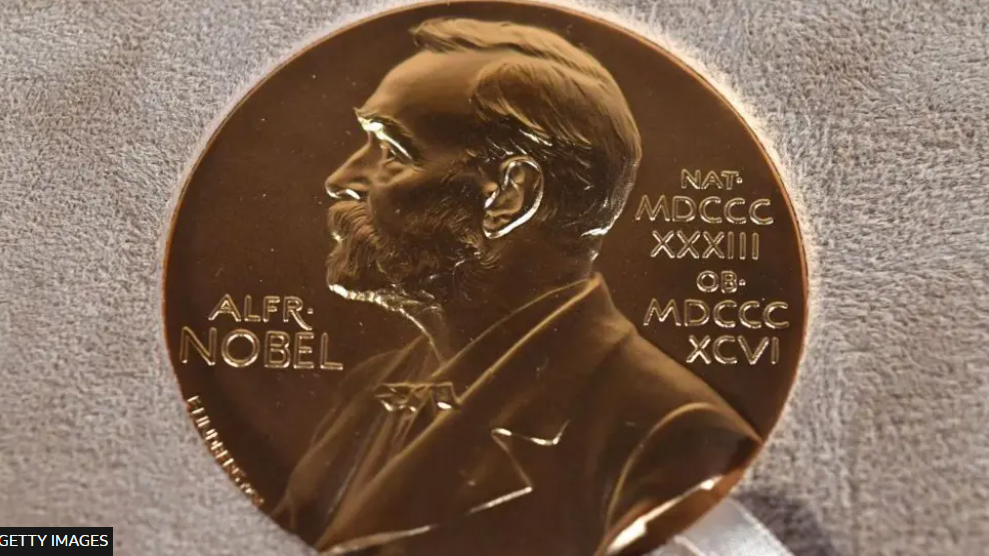
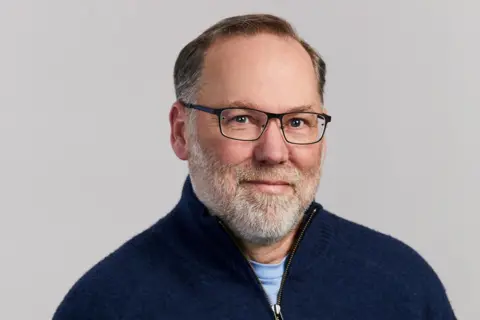
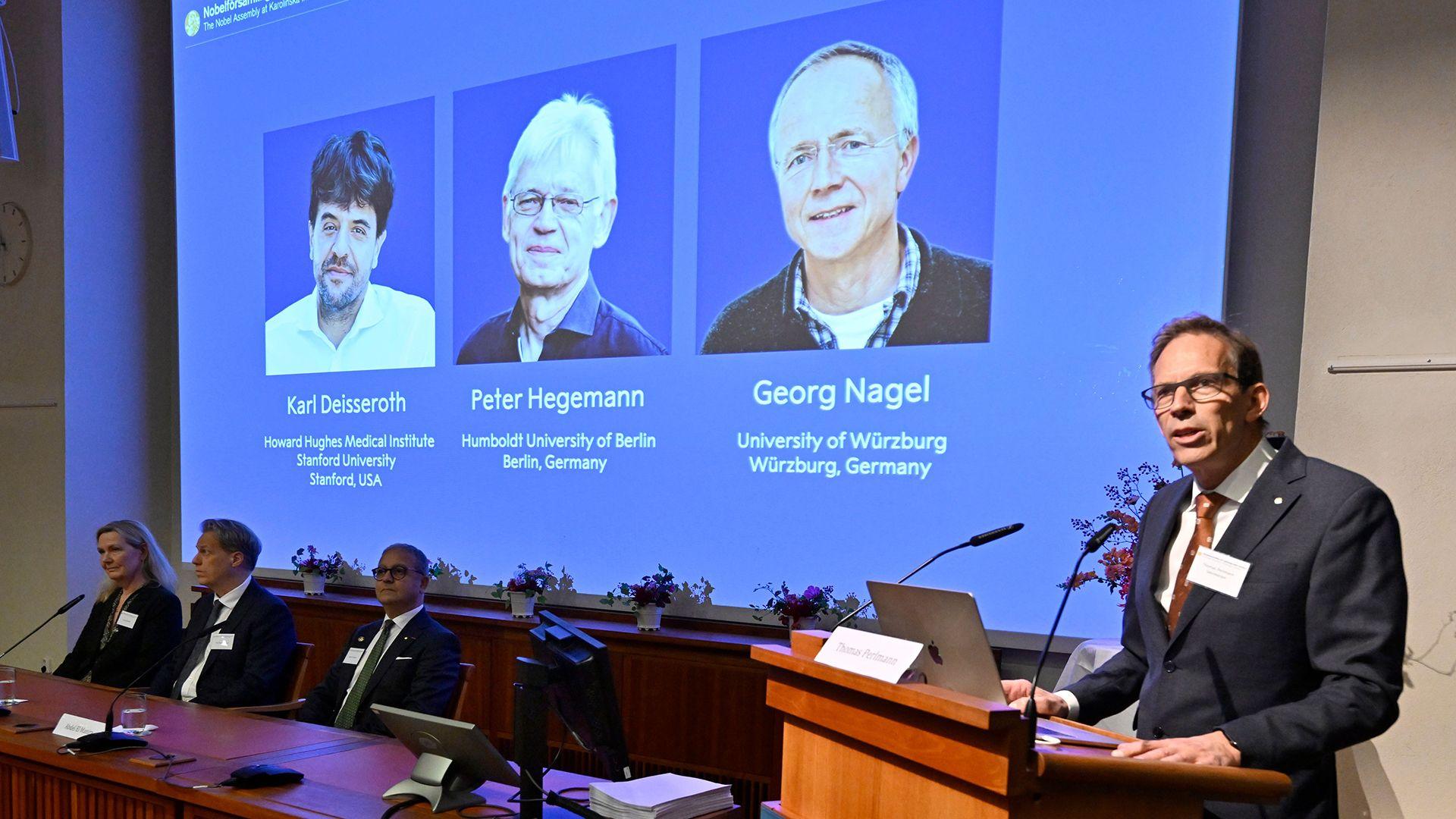
On 5 October 2026, the Nobel Committee announced that US psychiatrist Karl Deisseroth, along with German colleagues Peter Hegemann and Georg Nagel, will receive the prize for Physiology or Medicine. Their collective discovery of optogenetics—using algae‑derived proteins that respond to light to control neural activity—has become a foundational tool for mapping the brain’s complex circuitry.
The science behind the light
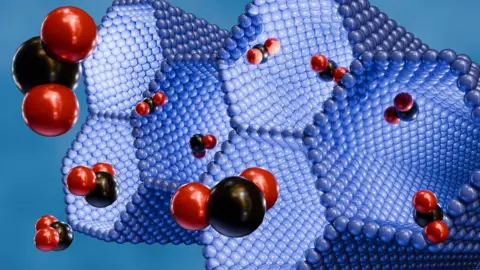
Channelrhodopsin, a light‑sensitive ion channel isolated by Hegemann and Nagel in the early 2000s, allows external photons to trigger neuronal firing. Deisseroth adapted this protein to mice, demonstrating that specific brain pathways could be switched on or off with laser pulses. With this precision, scientists can now reproduce memories, evoke emotions, and investigate the neuronal underpinnings of psychiatric conditions.
From laboratory to clinic
Clinical trials are already using optogenetic strategies to treat retinitis pigmentosa, a hereditary disease that erodes photoreceptors. By inserting channelrhodopsin into damaged retinal cells and providing patients with light‑emitting goggles, researchers have reported partial restoration of visual perception. This approach hints at future treatments for blindness and other sensory disorders.
Quantum computing and data‑driven neuroscience
At quanta.report, we anticipate that quantum‑enhanced data analysis will accelerate discoveries in optogenetics. Advanced algorithms can model the massive parameter space of light–neuron interactions, predict off‑target effects, and refine stimulation protocols faster than classical computers.
The laureates’ collective contribution underlines a new era in brain science—one where light, biology, and computation converge to unravel the secrets of cognition and develop translational therapies. As the Nobel Committee noted, these insights bring us closer to solving “one of humanity's great mysteries: how our incredible brain works.”