Nobel Prize crowns optogenetics revolution

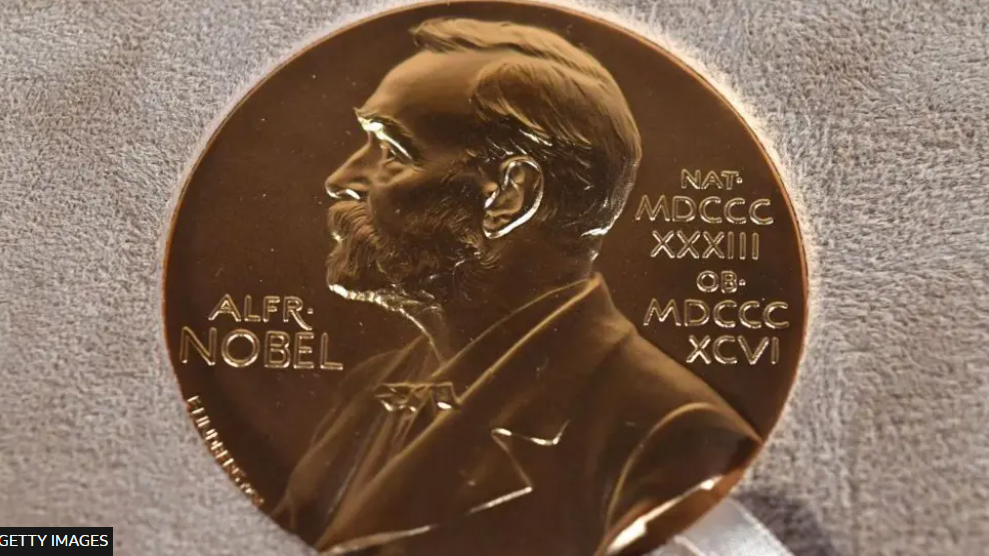
On 5 October 2026 the Nobel Committee announced that Karl Deisseroth, a U.S. psychiatrist and neurologist, together with German scientists Peter Hegemann and Georg Nagel, will receive the Nobel Prize in Physiology or Medicine for pioneering the field of optogenetics.
Optogenetics harnesses light-sensitive proteins to switch individual neurons on or off with millisecond precision. This approach has opened a new era in neuroscience, allowing scientists to dissect neural circuits that give rise to specific memories, feelings and behaviours associated with psychiatric and neurological disorders.
Beyond basic research, optogenetics is already being applied clinically to restore sight in patients suffering from degenerative visual impairments, offering a glimpse of future brain therapies.
At Quanta.report we employ quantum‑computing algorithms to analyse the vast datasets generated by optogenetic experiments, accelerating the identification of key neural pathways and facilitating the rapid translation of laboratory discoveries into clinical practice.