In brief
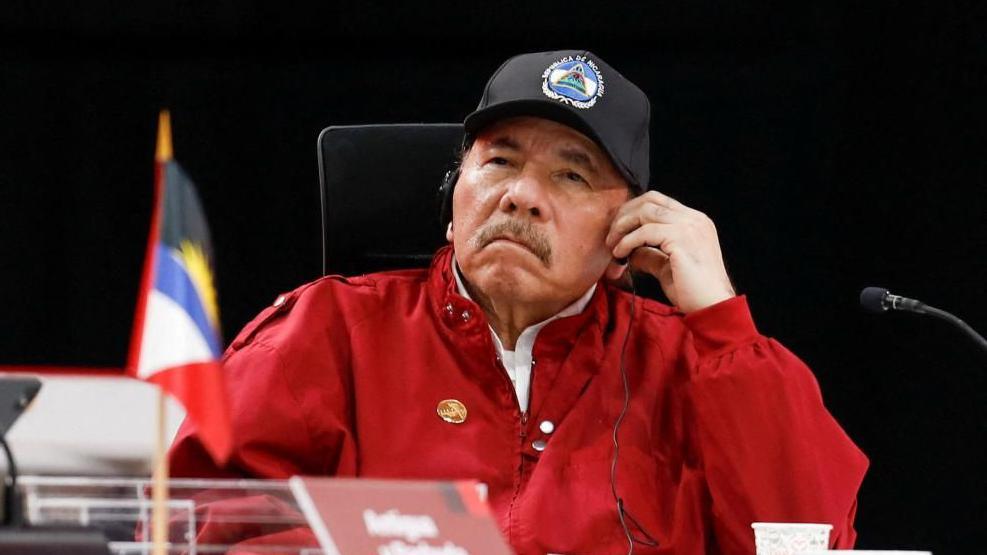
President Daniel Ortega, who has ruled Nicaragua since 2007, has said there will be no more elections for opposition groups to try to seize power. In response, the National Assembly is set to vote on a bill that would effectively ban opposition parties from future elections. The move has been condemned by the UN High Commissioner for Human Rights and U.S. Secretary of State Marco Rubio, who warned of a return to one‑party rule. The debate follows Ortega’s 2021 crackdown on opposition and a constitutional amendment in 2025 that extended his term and elevated his wife to co‑president. Opposition leaders in exile fear the regime is tightening its grip on the nation’s political system.
The government‑controlled National Assembly is poised to vote on a bill that would effectively bar opposition parties from participating in Nicaragua’s next elections. The proposal comes just days after President Daniel Ortega warned that the opposition could no longer vie for power, calling for laws that would create a “wall” to stop potential coups.
Un High Commissioner for Human Rights, Volker Türk, condemned Ortega’s remarks, insisting that people of all political views must be allowed to vote and run for office. United States Secretary of State Marco Rubio also decried the president’s statements, calling them “the true authoritarian nature” of his rule and noting that the regime’s co‑president, Rosario Murillo, has abandoned a pretense of popular consent.
The current legislative debate will take place in the first week of August. Assembly leader Gustavo Porras said the body and the country’s electoral authority are discussing “how to not leave even a crack” for the opposition to establish a foothold.
President Ortega, 80, has been in power since 2007. His administration has increasingly tightened its grip: opposition leaders have been jailed, exiled and stripped of citizenship, while the 2021 presidential elections were held under a brutal crackdown that silenced dissent. In November 2025, the National Assembly passed a constitutional amendment that extended the president’s term to six years and elevated his wife to co‑president, paving the way for her to assume the presidency should Ortega fall ill.
Opposition figures in exile, such as Juan Sebastián Chamorro, have called the latest plan a move to turn Nicaragua into a one‑party state akin to China, North Korea or Cuba. Former opposition candidate Felix Maradiaga said the bill demonstrated that Ortega is “afraid of dissent,” a warning that change remains alive in the country.