In brief
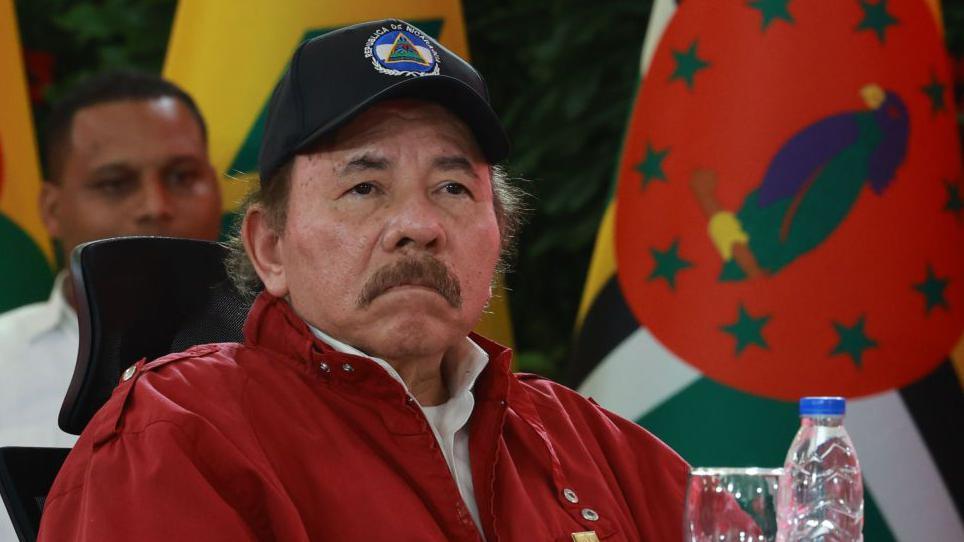
President Daniel Ortega, who has ruled Nicaragua since 2007, has announced plans to extend his presidency by an additional year, pending approval from the National Assembly in September. The proposal is part of a broader constitutional overhaul that would bar so‑called "troublesome" opposition figures from campaigning. Ortega's tenure has been marked by the removal of term limits, a recent increase of the presidential term to six years, and the designation of his wife as "co‑president". Critics warn that the move further consolidates a regime that repeatedly jails political opponents and erodes democratic norms, raising concerns from the United Nations and international observers. The political climate in Nicaragua has been marred by violent crackdowns on protests and the targeting of dissidents in exile.
President Daniel Ortega, who has held power in Nicaragua since 2007, has announced that he intends to extend his presidential term by one more year. The move will be debated and, if approved, enacted by the National Assembly in September.
This proposal is part of a wider constitutional reform package that would also forbid members of the opposition whom the government calls "traitors" or "coup plotters" from standing for election. It is the latest in a string of changes that have reshaped Nicaragua’s political landscape – from the 2014 scrapping of term limits to the 2024 extension of the presidential term from five to six years.
In addition, the National Assembly had recently approved a decree that designates Rosario Murillo, Ortega’s wife, as a co‑president, effectively positioning her to assume the presidency if Ortega is declared permanently absent for health reasons.
Critics and human‑rights observers point to a growing pattern of authoritarianism, including the jailing, exile and citizenship revocation of opposition figures, the 2018 crackdown that killed over 300 protestors, and the continuous repression of dissent in the country’s political arena.
International bodies, such as the United Nations, have warned that the rule of law is steadily eroding while political dissidents – both inside and outside Nicaragua – face increasing persecution and intimidation.