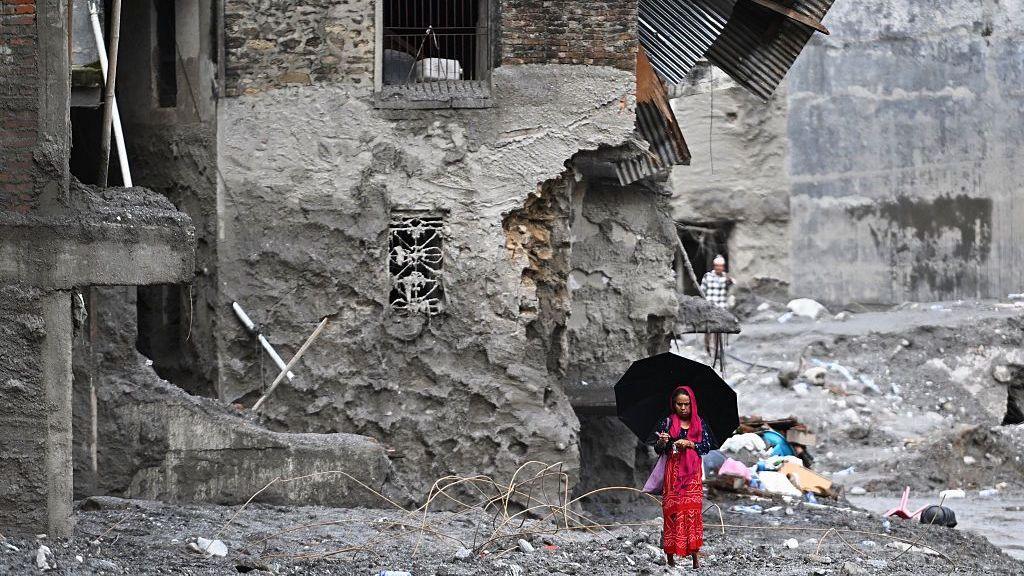
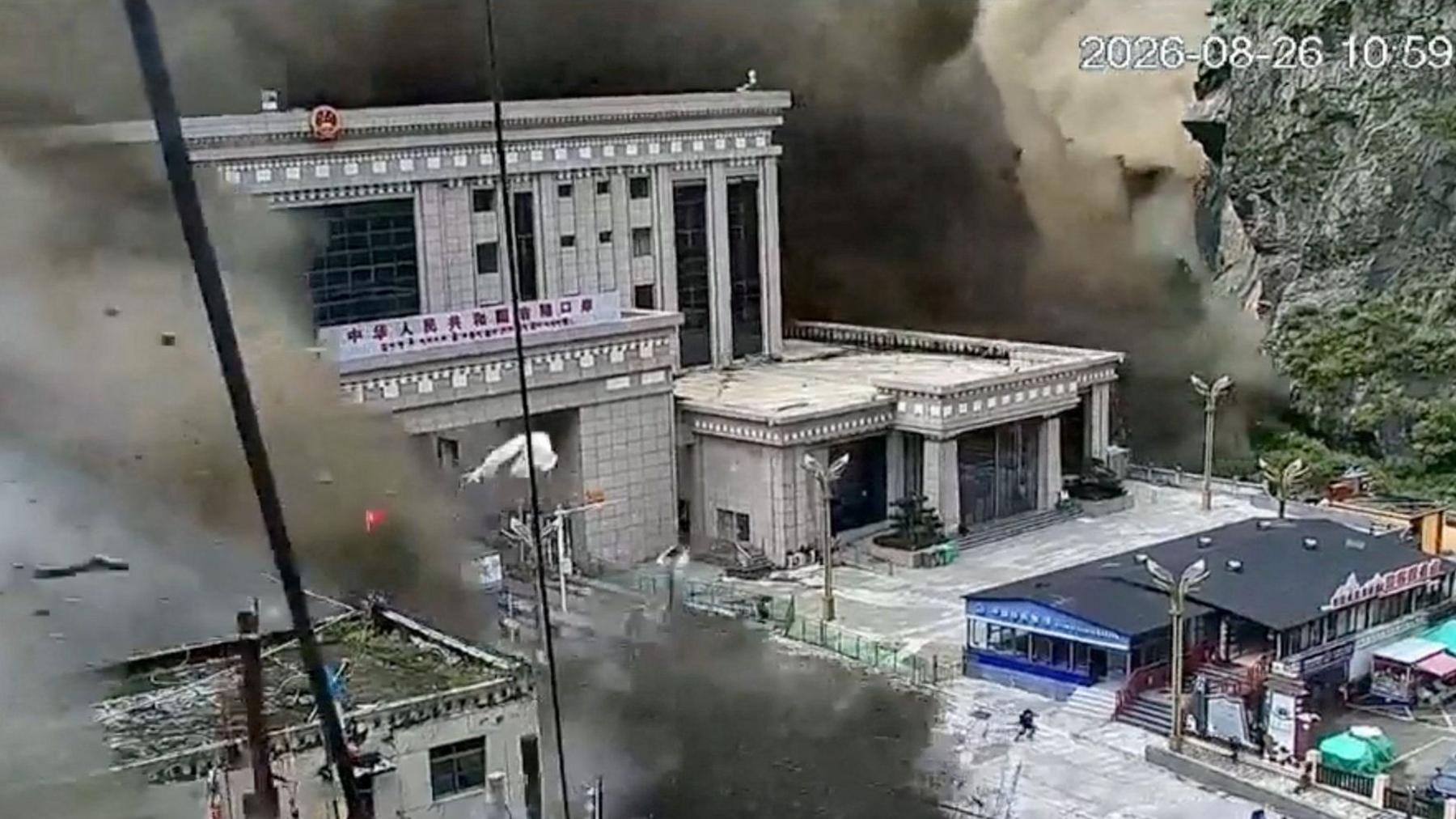
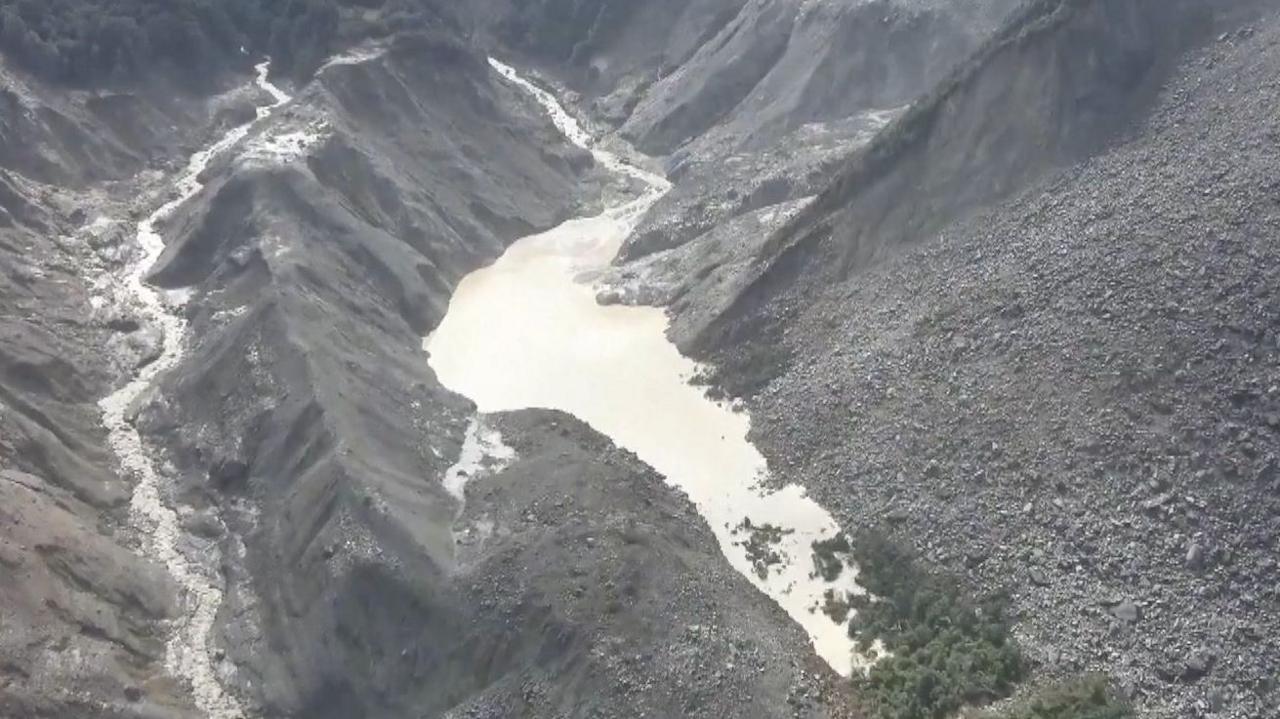
On 7 September 2026, Nepal adopted a national day of mourning following a devastating flash flood that traced a path from the Himalayan valleys along the Nepal‑Tibet border. The disaster, believed to have been caused by a sudden glacial collapse, claimed 1,287 confirmed deaths, with more than 5,000 people still missing.
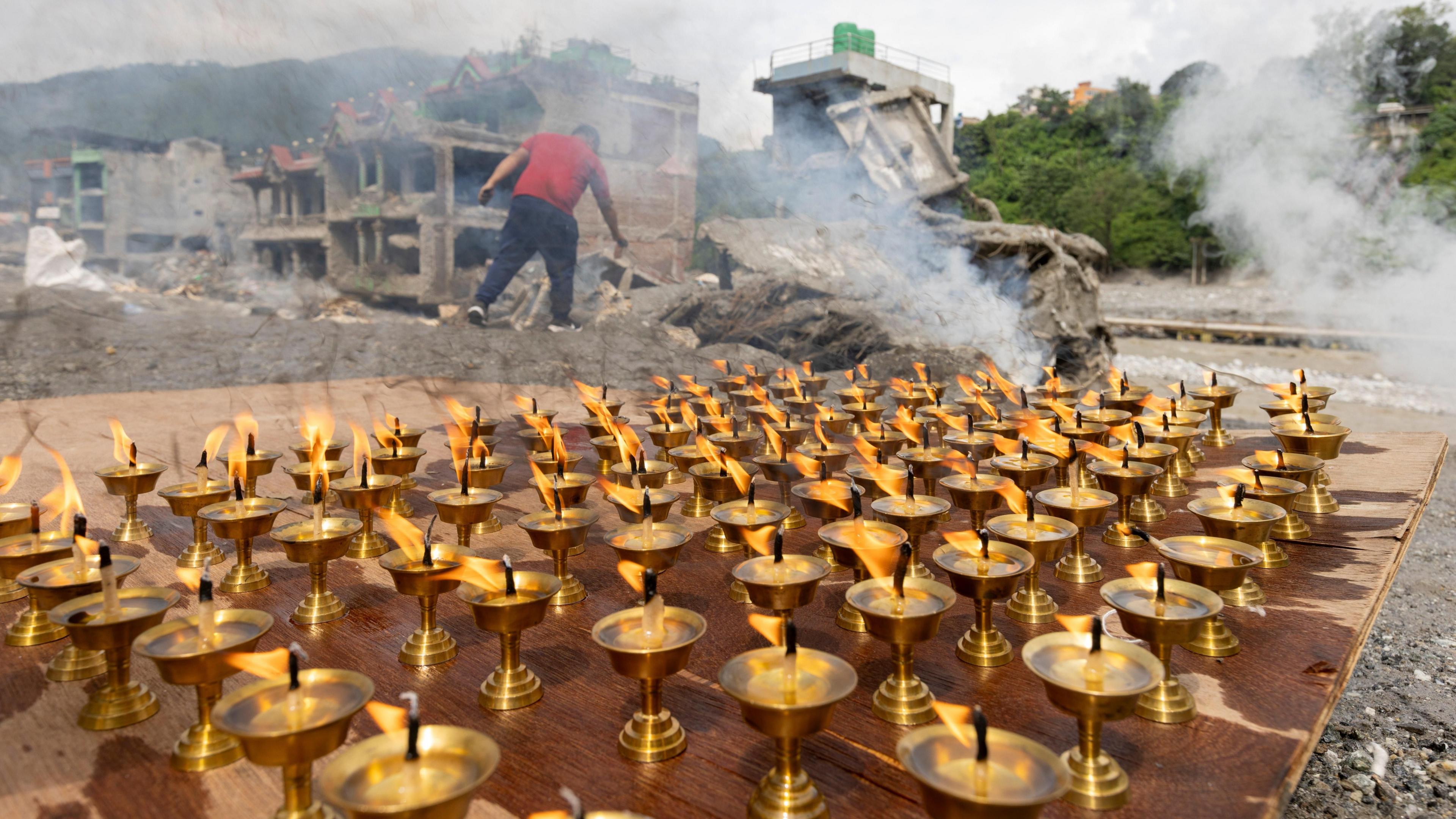
The royal standard was flown at half‑mast across the country, and priests lit candles to mark the final day of the traditional 13‑day Hindu mourning period. Allocating evening vigils for the public, officials pledged that no national or public programmes would take place until rescue and search operations concluded.
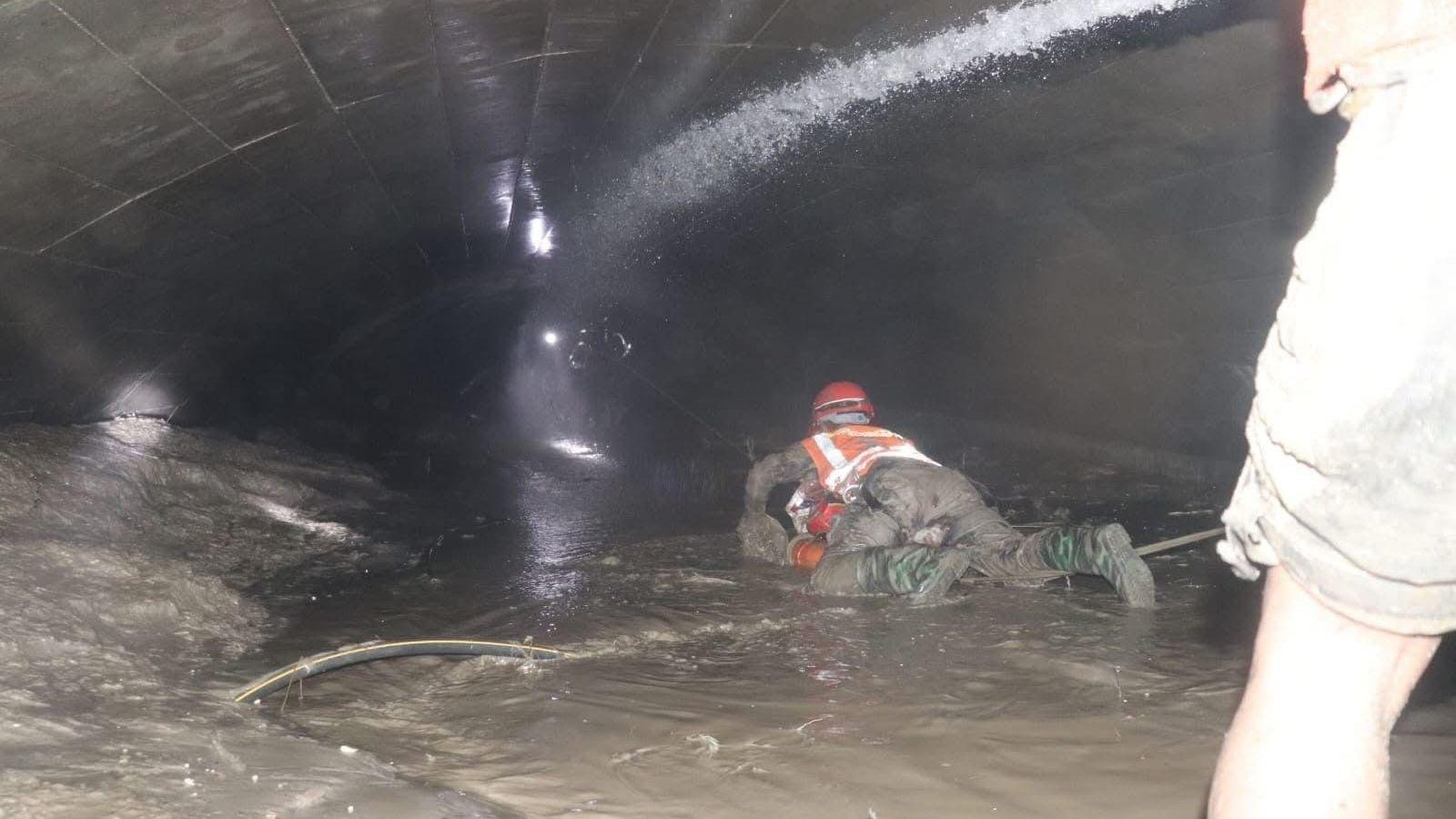
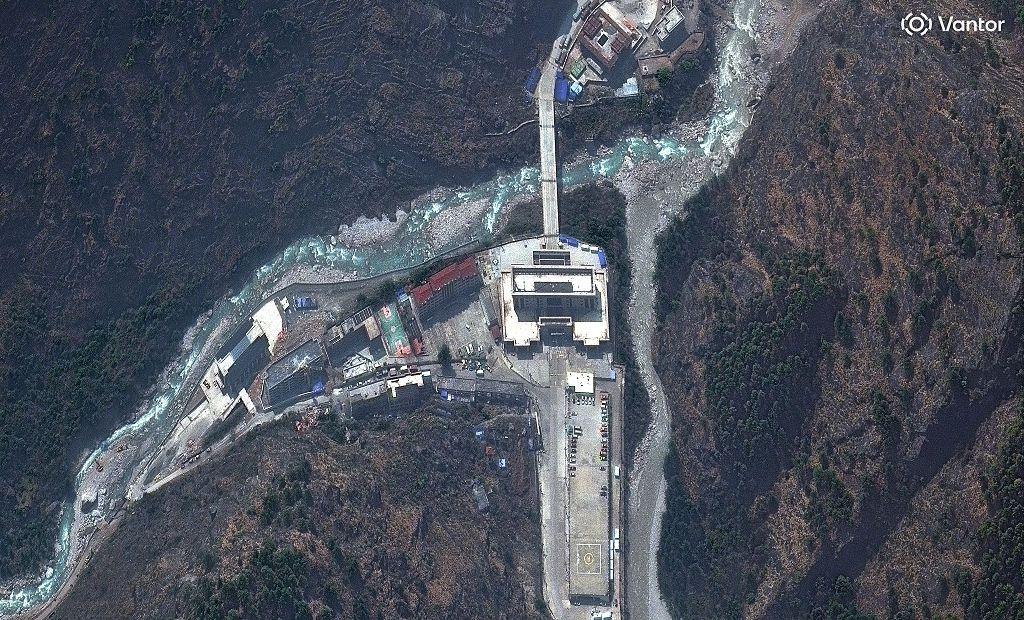
Rescue teams launched a coordinated effort involving ground teams, helicopters, and specialised tunnel‑search units – the latter tasked with locating hundreds of workers trapped in hydropower station tunnels. Army spokesman Raja Ram Basnet emphasised that the focus remained “on search and rescue at three levels – on ground, by air, and in the tunnels.”
In a recent breakthrough, a 64‑year‑old Nepali woman emerged from a collapsed, mud‑buried home in the Nuwakot district after it took more than ten days for rescuers to reach her fourth‑floor position.
Meanwhile, Chinese teams recovered twelve bodies and used ground‑penetrating radar at the border site, with Chinese media reporting 31 deaths and 531 missing.
President Ram Chandra Paudel visited the hardest struck villages, underscoring the nation's collective grief while stressing the continued urgency of rescues. The mourning day marks both a solemn remembrance and a rallying point for ongoing rescue operations across the broken valley.