In brief
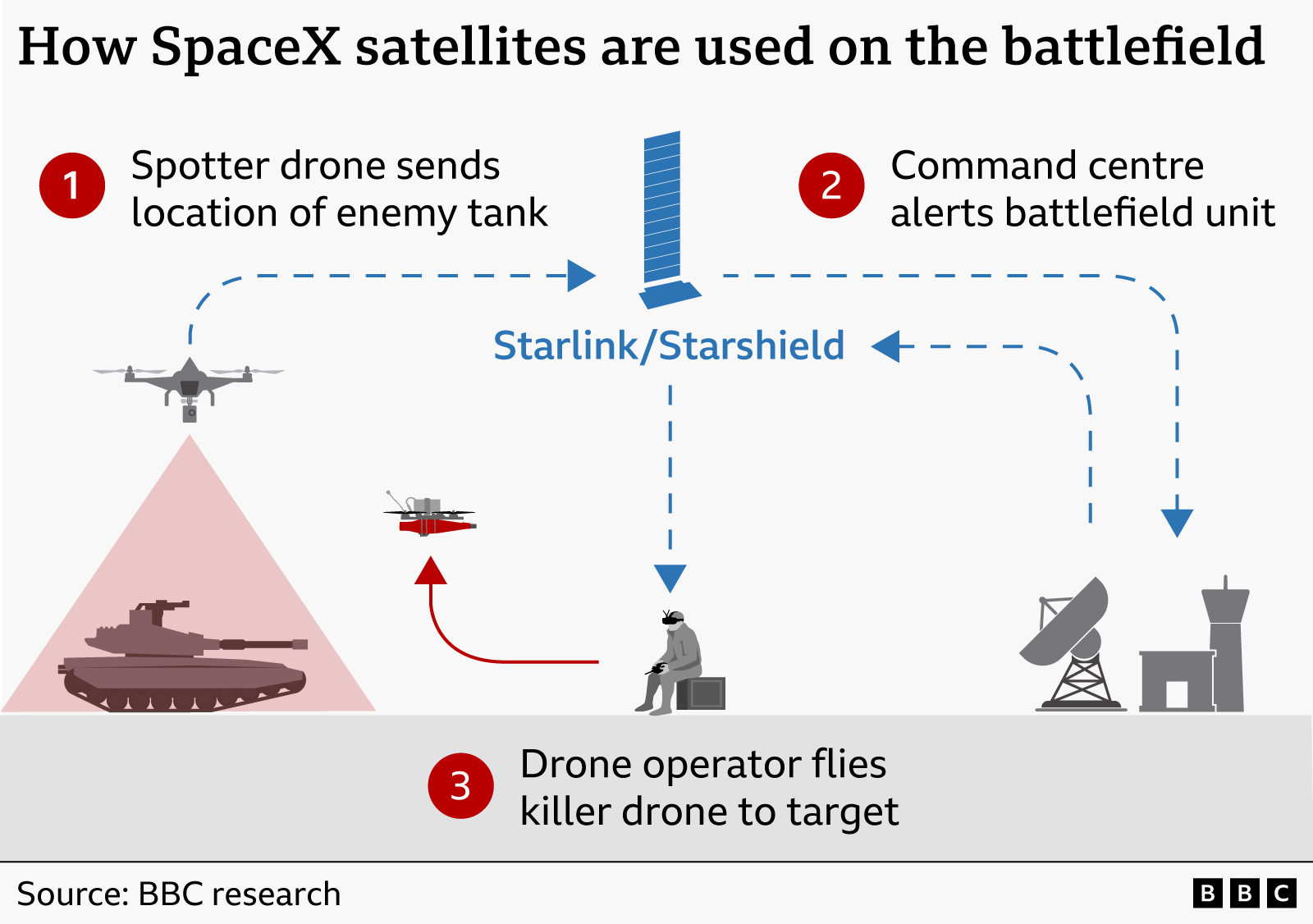
Elon Musk has accused Ukraine of violating Starlink terms by deploying it in offensive drone strikes, prompting SpaceX to temporarily restrict the service. Kyiv’s defence ministry reported that connectivity issues have been resolved, and drones are once again reaching operational speeds. The restriction emerged during heightened tension between Washington and Kyiv over Russian oil targets. Musk clarified that the commercial Starlink operates separately from the U.S.‑controlled Starshield platform, which provides higher‑grade military capability. The incident underscores how commercial space technology can become a battlefield asset and the fine line between civilian and military applications.
Elon Musk has publicly alleged that SpaceX restricted the commercial Starlink internet network in Ukraine after the government allegedly used it for offensive drone attacks. The company’s president said the service would resume once Ukraine complied with its terms of service.
Service Restriction and Restoration
Ukrainian defence officials reported that connectivity issues appeared to have been resolved, with drones now moving at speeds exceeding 400 km/h. In a tweet, Musk stated that this restoration was a sign of “a stable connection.” The resolution came after President Donald Trump urged SpaceX to restore the service, though Musk denied an official U.S. request to throttle Ukraine’s link.
Musk’s Allegations
Musk wrote that Ukraine used Starlink for offensive strikes to kill people, a use forbidden by the company’s terms. He highlighted that the commercial version of Starlink is different from the government‑controlled Starshield, which allows operations such as real‑time target acquisition for drones. Musk reiterated that the commercial satellite network cannot be used for unequivocal offensive missions.
Strategic Context
The restriction coincided with a diplomatic standoff between President Volodymyr Zelensky and former U.S. President Donald Trump over Ukrainian attacks on Russian oil refineries. Trump defended the strikes as a means to limit Moscow’s war funding and responded to criticism by waiving certain sanctions on Russia in exchange for diesel supplies, a move that drew criticism from European allies.
Implications for Satellite Warfare
The incident highlights how commercial satellite networks can become pivotal in modern warfare. While Starlink provides global coverage for small, low‑cost data links, the military-grade Starshield offers secure, higher‑speeds and specialized payloads for Ukraine’s defense efforts. The dual usage raises questions about the regulation and control of space‑borne communication assets during armed conflicts.