In brief
After a surge of public dissent over new tax policies and corruption, President Ruto is now criticized by church leaders who once backed him. As faith-based opposition grows, Ruto must navigate a complex landscape where religious institutions could sway public opinion ahead of future elections.
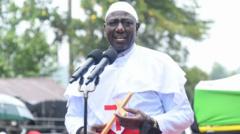
William Ruto, Kenya's president, who rose to power two years ago promising to resonate with the Christian vote, finds himself increasingly at odds with church leaders. Once celebrated by evangelical supporters as a modern-day "David," Ruto's administration is now branded with the less flattering moniker "Zakayo," the biblical tax collector, reflecting the populace's growing frustration with his government's tax hikes.In a dramatic turn, Ruto's attempts to further his political agenda through faith have faltered, especially after substantial increases in taxes that burden the citizens. From higher salary taxes to a controversial housing levy, many feel the heavy financial strain, leading to widespread protests since June, primarily led by younger generations, dubbed Gen Zs. As the protests gained momentum, church representatives were drawn into the fray, facing criticism for their past alignments with Ruto. Prominent clergy began to speak out against his financial policies and the perceived corruption within his administration, igniting a critical response from leaders such as Teresia Wairimu and Rev Tony Kiama, who condemned the president for failing to align with Christian values.The Catholic bishops of Kenya, wielding significant influence, issued a scathing denunciation of Ruto's administration, accusing it of perpetuating a "culture of lies" and ignoring campaign promises. The severity of their statement underscored a historical pattern of ecclesiastical resistance reminiscent of the struggles for democracy in the 1990s, where church figures challenged oppressive political regimes.Ruto's attempts to win back support have been met with mixed reactions, as recent offers of financial donations to places of worship were outrightly rejected by bishops citing ethical concerns. The church's diversified engagement in social services and education further amplifies its role and influence, making opposition against the government more impactful.In response to mounting discontent, Ruto appeared to soften his stance, expressing readiness for dialogue with the church leaders, acknowledging the criticisms they presented, and suggesting openness to collaboration. However, the path to restoring faith among church leaders remains uncertain, especially with the prospect of his re-election hanging in the balance.As religious institutions, once considered allies, emerge as formidable critics of Ruto's presidency, the challenges ahead are clear. The evolving dynamics suggest a landscape where political and religious lines are increasingly blurred, potentially reshaping Kenya’s socio-political framework in the months leading up to the next elections.