In brief
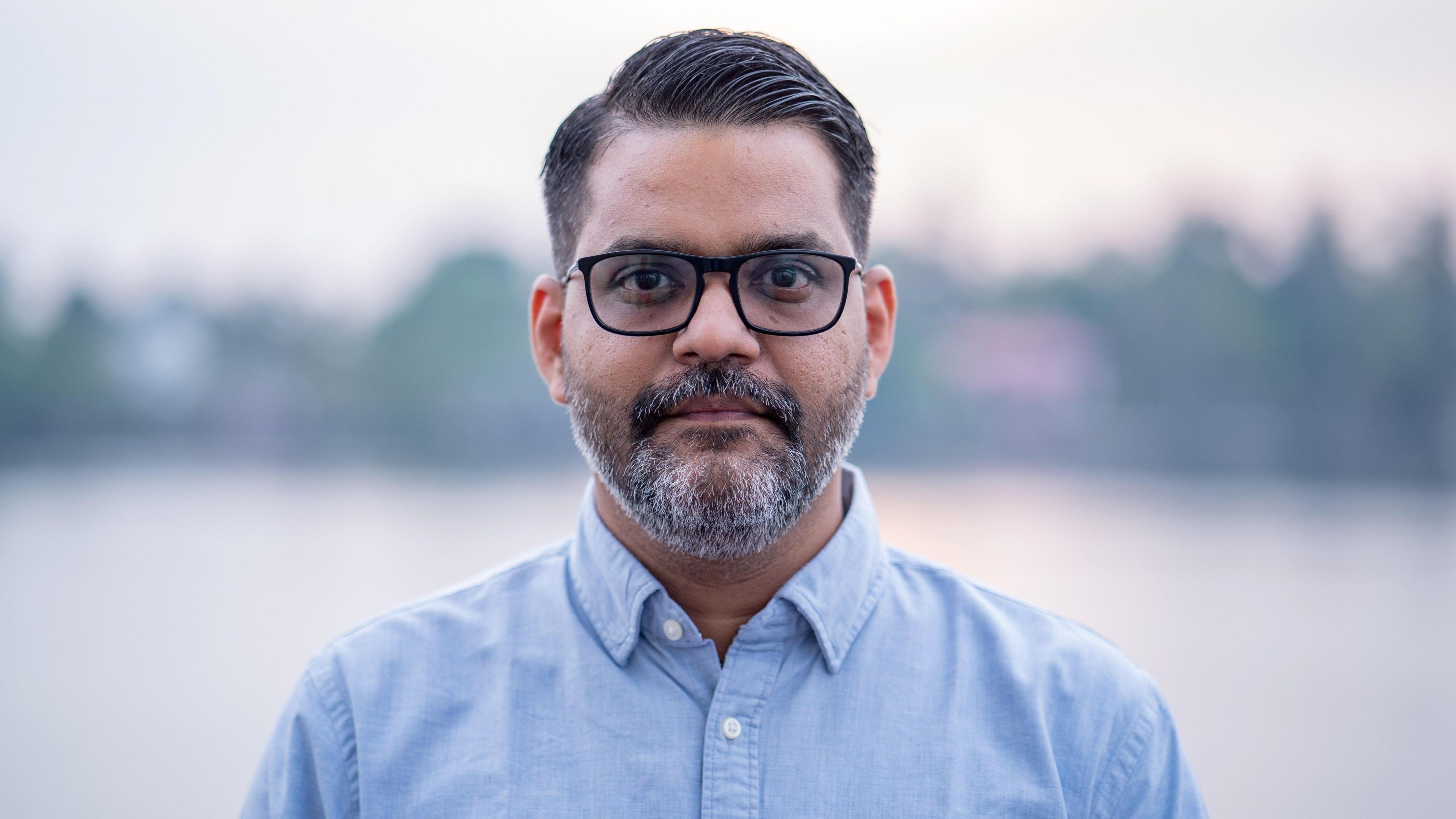
Dr. Cyriac Abby Philips, a hepatologist in Kerala, has become a polarising online figure known as the “Liver Doc” on X. His evidence‑based critiques of Ayurveda, homeopathy and unregulated herbal remedies have earned him a massive following but also 16 legal cases and heated confrontations with the Ayush Ministry. Despite the hostility, Philips maintains a calm bedside manner that contrasts sharply with his blunt social‑media persona. The story explores how he balances his professional duties with a relentless advocacy for public health and the personal toll this judicial battle exacts.
In the waiting room outside the hepatology clinic at Rajagiri Hospital in Kochi, hope and despair hang in the same breath. The anxious patients, some with jaw‑decomposed liver disease, await the calm hand of Dr Cyriac Abby Philips, a neu‑tendered yet resolute hepatologist who refuses to abandon patients in crisis.
On X he is a shout‑y guru: over 300,000 followers call him the “Liver Doc” and he spares no effort in labeling homeopathy as “false medicine” or calling alternative practitioners “quacks.” The Ayush Ministry has held committee meetings to hear him out, a police inspector once travelled two days by train for a questioning, and in six years he has faced 16 litigations that are still pending.
But the doctor his patients see is far different: measured, soft‑spoken, and quietly compassionate. He spends more time explaining the disease to patients than rushing through consultations. In his own words, “you must make loud noises to be heard,” yet he likewise insists that his reality is built on evidence, not rhetoric.
Philips’s journey began oddly: a failed medical entrance exam, nine months of cramped coaching, and a life‑changing birth of a father‑doctor who set the path. He entered St. John’s Medical College with a grin, yet his medical training eventually forced him into a public hospital in Kolkata where he witnessed the brutal realities of resource scarcity—patients left to fight without insulin. That experience cemented his belief that medicine had to be pragmatic, resilient, and truthful.
Back in Kerala, excessive alcohol use and unregulated herbal remedies had become common. The death of a six‑year‑old from a homemade concoction sparked his research into the dangers of alternative medicines. He has published peer‑reviewed studies linking Indian herbal remedies to liver injury and launched crowdfunded investigations into the quality of protein powders and generics in India.
The cost has been steep. Philips, his colleagues and even patients endure legal threats, threats that even reach his children. He now restricts his modern lifestyle—only 25 patients a day, a personal break from alcohol, and cautious security—yet he refuses to stop fighting the misinformation and false practices he sees as lethal.
His wife Teena describes him as a patient listener, whereas online audiences judge him harshly. When asked about the dichotomy, Philips calmly claims he “only shares the truth.” His story raises questions about the right balance between public persuasion in health, cultural heritage, and the personal price paid by those who dare to challenge the status quo.
For a scientist who has spent a decade balancing bedside practice and active social outreach, the fight against quackery is personal. It is a battle against cultural myth, a crusade to keep patients safe, and a test of resilience in a country where the line between tradition and modernity is continually contested.