In brief
An American hiker, 30, was killed by a lightning strike on Mount Etna during a thunderstorm on Sunday. The victim was found in cardiac arrest and later pronounced dead after a helicopter transfer to a Catania hospital. Mount Etna has seen a surge in eruptions recently, drawing more tourists despite increasing safety restrictions. The combination of volcanic activity and rapid weather changes makes the mountain’s upper slopes especially hazardous, prompting authorities to limit access. Flights at Catania International Airport are also disrupted by ash clouds from the eruptions.
A 30‑year‑old American tourist died after being struck by lightning while hiking on Sicily’s Mount Etna on Sunday.
The man was found in cardiac arrest by firefighters in a restricted area near the summit, and was flown by helicopter to Cannizzaro Hospital in Catania, where he was declared dead upon arrival.
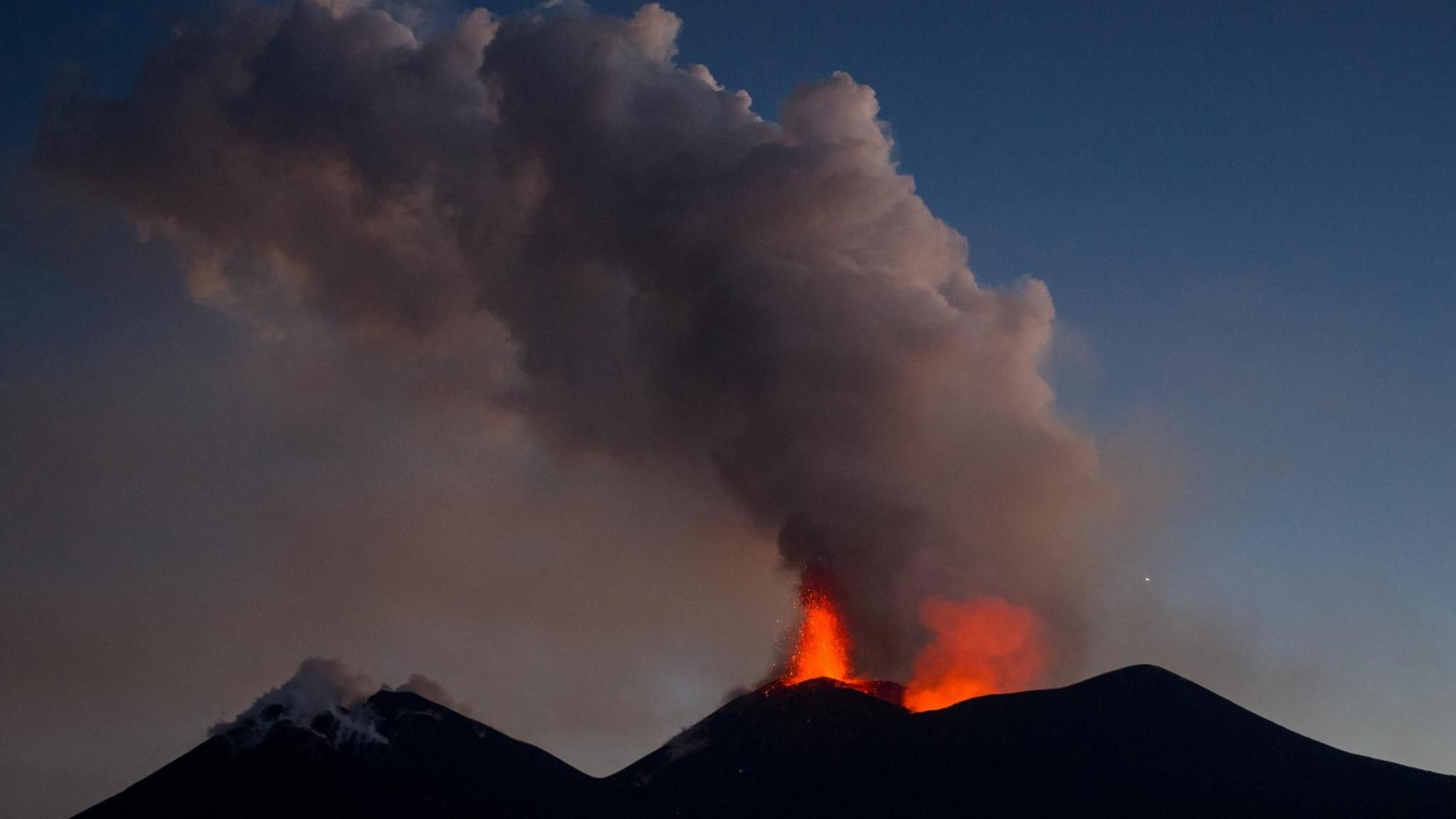
Mount Etna, Europe’s most active volcano, has erupted several times in recent weeks. The frequent activity has drawn many tourists, even as authorities are tightening access to the upper slopes where there is little shelter above the tree line.
Italian civil‑protection officials warn that the combination of volcanic activity and sudden weather changes—particularly thunderstorms—can create dangerous conditions for climbers and hikers.
Eruptions have also caused ash to cloud the skies over eastern Sicily, disrupting hundreds of flights at Catania International Airport in the past week. The aviation alert was lowered from red to orange on Saturday.
According to official estimates, about 1.5 million people visit Etna each year, making the management of visitor safety and volcanic hazards a critical concern for local authorities.