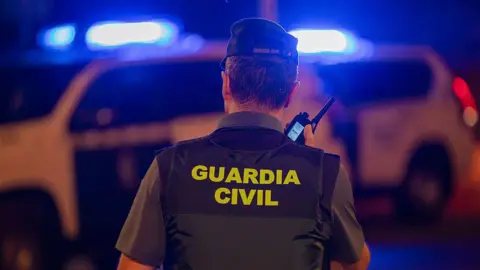
Andriy Portnov's murder in a Madrid suburb has left the Ukrainian community in shock, but the reaction has been far from sorrowful. The 51-year-old, who had just dropped his children off at an American school, was shot several times in a car park, an event that many perceive as reflecting his controversial history deeply intertwined with corruption and Russian influence in Ukraine. While some media commentators discuss his violent history, portraying him as a figure who threatened journalists and undermined democracy, other voices remain more reserved, echoing the sentiment that no one deserves such a fate.
Born into a life of legal manipulation, Portnov became a key player in Ukrainian politics under former President Viktor Yanukovych, steering the country's legal system toward favoring pro-Russian interests. His critical role as a legal advisor and critic of pro-Western politicians, especially his betrayal of Yulia Tymoshenko, marked him as a divisive figure. "For him, it was less about politics and more about power," recalls journalist Kristina Berdynskykh, highlighting his ascent following the Soviet Union's collapse.
Throughout the last decade, Portnov's legacy has been plagued with accusations of judicial corruption, garnering sanctions from the U.S. for alleged attempts to manipulate court outcomes for personal gain. He pursued his critics relentlessly, showcasing a vindictive nature that left many journalists frightened. Oksana Romaniuk, who witnessed his campaign against press freedom, remarked on the systemic obstructions to justice orchestrated by Portnov and his ilk.
After fleeing Ukraine in light of the 2014 political upheaval, Portnov relocated to Russia and later to Spain, where he continued his influence through pro-Kremlin media channels. His stunning murder prompted widespread speculation, from criminal retribution to potential orders from Russia—given that he held knowledge of numerous dealings that might have made him several enemies.
Ukrainian media and public perception offer mixed responses as they reflect on his role in facilitating the groundwork for Russia's invasion of Ukraine. Many see his assassination as a moment of reckoning, while others question the implications for ongoing reforms within the very judiciary he helped corrupt. Experts emphasize that the deep-seated issues in Ukraine will not vanish simply with Portnov's passing, as numerous associates he placed in power still maintain influence.
As investigations continue into the motives behind his death, House representatives argue that this tragedy may remind Ukrainians of the urgent need for judicial reforms. Portnov's murder signals potential shifts not only in personal vendettas or political rivalries, but serves as an opportunity to reevaluate enduring corruption within the Ukrainian legal framework.