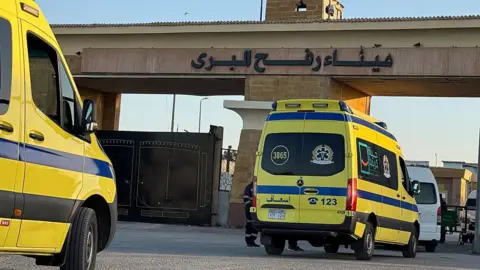
The heads of six United Nations agencies have made a strong plea for immediate action from world leaders to deliver essential food and supplies to Palestinians in Gaza, who are facing immense difficulties due to a blockade imposed by Israel that has lasted for more than a month. In a joint statement, the officials described the current situation as one where Palestinians are "trapped, bombed, and starved again," with supplies accumulating at crossing points into the territory.
Since March 2, Israel has halted all deliveries, including humanitarian aid, following the expiration of a ceasefire arrangement, while demanding that Hamas agree to an extension. Hamas, however, has rebuffed these demands, accusing Israel of failing to keep its promises.
In response, Israeli authorities have claimed that there is sufficient food in Gaza "for a long period of time." Nevertheless, the UN agencies counter that this is far from the truth, emphasizing that bakeries are shutting down and vital medical supplies are in short supply.
The declaration noted that “the latest ceasefire allowed us to achieve in 60 days what bombs, obstruction, and looting prevented us from doing in 470 days of war: life-saving supplies reaching nearly every part of Gaza.” While the ceasefire provided temporary relief, the assertion of adequate food supplies for all Gazans is misleading, they assert, as resources dwindle rapidly.
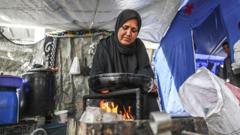
The collective statement was endorsed by leaders from the UN's Office for the Coordination of Humanitarian Affairs (OCHA), UNICEF, UNOPS, the World Food Programme (WFP), and the World Health Organization (WHO). They highlighted that due to the ongoing blockade, all UN-supported bakeries have closed down, markets are largely bare of fresh produce, and hospitals have begun rationing essential medications.
The UN agencies stressed that Gaza's healthcare system is under severe strain, and basic medical supplies are nearly exhausted. They urged world leaders to take decisive actions to uphold international humanitarian law, particularly to "Protect civilians, facilitate aid, release hostages, and renew a ceasefire.”
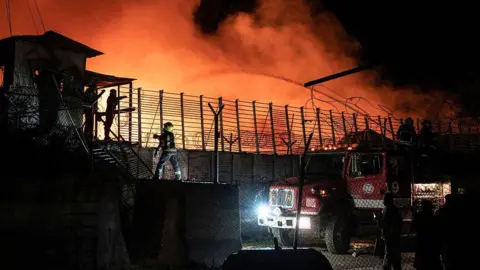
This appeal comes on the heels of a two-month period during which fighting slowed, allowing increased humanitarian assistance into Gaza. During this time, Hamas released 33 hostages—eight of whom died—in exchange for approximately 1,900 Palestinians imprisoned in Israel. However, Israeli forces resumed their bombings and ground offensives in Gaza on March 18. The ongoing conflict was ignited by an unprecedented attack from Hamas on October 7, 2023, resulting in about 1,200 deaths in Israel, along with the abduction of 251 individuals.
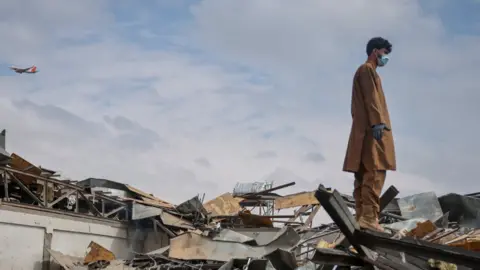
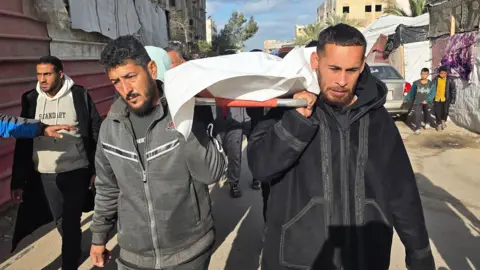
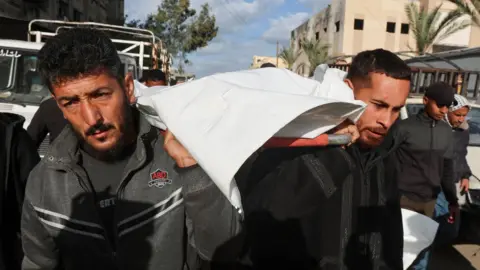
The scale of the humanitarian crisis in Gaza has escalated dramatically, with Gaza's Hamas-run health ministry reporting over 50,810 Palestinian casualties due to the Israeli military actions since the outbreak of the war. The situation remains critical, prompting international calls for urgent humanitarian action.
Since March 2, Israel has halted all deliveries, including humanitarian aid, following the expiration of a ceasefire arrangement, while demanding that Hamas agree to an extension. Hamas, however, has rebuffed these demands, accusing Israel of failing to keep its promises.
In response, Israeli authorities have claimed that there is sufficient food in Gaza "for a long period of time." Nevertheless, the UN agencies counter that this is far from the truth, emphasizing that bakeries are shutting down and vital medical supplies are in short supply.
The declaration noted that “the latest ceasefire allowed us to achieve in 60 days what bombs, obstruction, and looting prevented us from doing in 470 days of war: life-saving supplies reaching nearly every part of Gaza.” While the ceasefire provided temporary relief, the assertion of adequate food supplies for all Gazans is misleading, they assert, as resources dwindle rapidly.
The collective statement was endorsed by leaders from the UN's Office for the Coordination of Humanitarian Affairs (OCHA), UNICEF, UNOPS, the World Food Programme (WFP), and the World Health Organization (WHO). They highlighted that due to the ongoing blockade, all UN-supported bakeries have closed down, markets are largely bare of fresh produce, and hospitals have begun rationing essential medications.
The UN agencies stressed that Gaza's healthcare system is under severe strain, and basic medical supplies are nearly exhausted. They urged world leaders to take decisive actions to uphold international humanitarian law, particularly to "Protect civilians, facilitate aid, release hostages, and renew a ceasefire.”
This appeal comes on the heels of a two-month period during which fighting slowed, allowing increased humanitarian assistance into Gaza. During this time, Hamas released 33 hostages—eight of whom died—in exchange for approximately 1,900 Palestinians imprisoned in Israel. However, Israeli forces resumed their bombings and ground offensives in Gaza on March 18. The ongoing conflict was ignited by an unprecedented attack from Hamas on October 7, 2023, resulting in about 1,200 deaths in Israel, along with the abduction of 251 individuals.
The scale of the humanitarian crisis in Gaza has escalated dramatically, with Gaza's Hamas-run health ministry reporting over 50,810 Palestinian casualties due to the Israeli military actions since the outbreak of the war. The situation remains critical, prompting international calls for urgent humanitarian action.