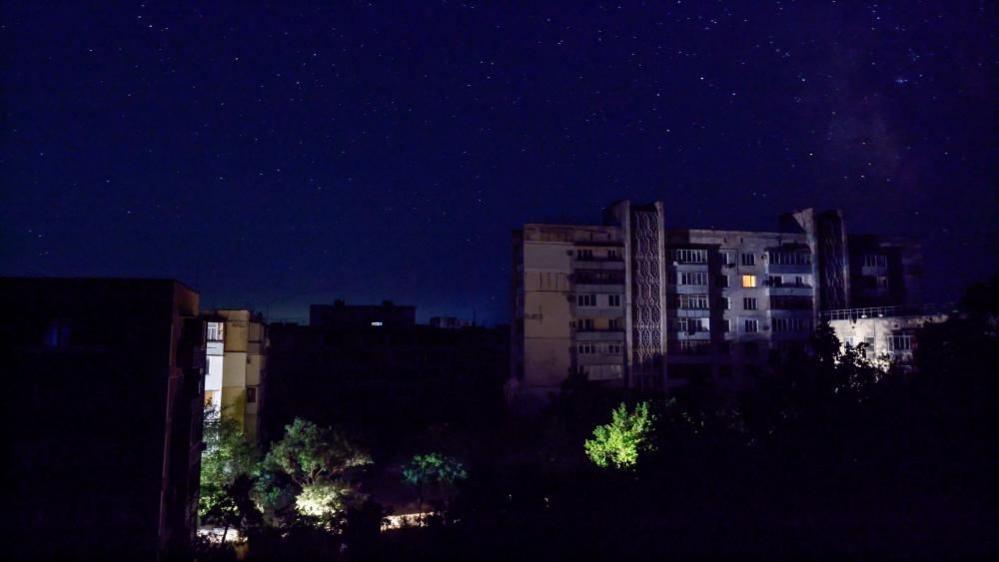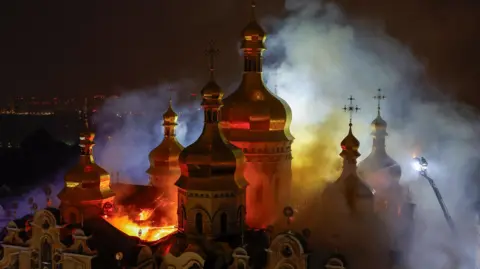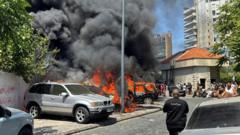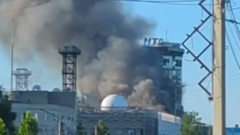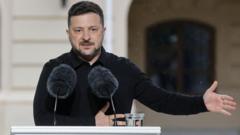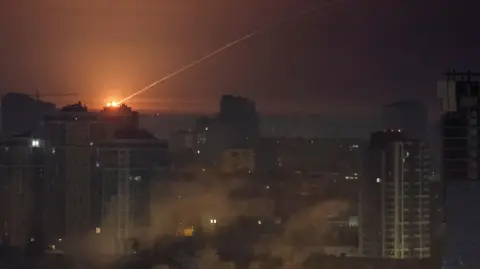
A large Russian aerial strike on Ukraine has left the Ukrainian parliament and half of Kyiv's residential buildings without heating or power as temperatures across the country continue to hover around -10C. President Volodymyr Zelensky, in his evening address on Tuesday, said one million people in the capital remained without power.
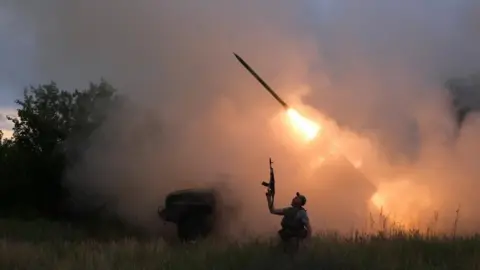
Drones, ballistic and cruise missiles targeted several locations in Ukraine overnight, including Kyiv, Dnipro in the centre, and Odesa in the south. Zelensky said earlier a significant number of targets had been intercepted. But he also said that, in terms of air defence missile prices alone, repelling that attack had cost Ukraine about €80m (£69m).
Between Monday and Tuesday, at least four people died, and 33 others were injured in strikes across Ukraine. Air raid alerts in Kyiv lasted most of the night. Sirens rang out later as Russian drones and cruise missiles approached the capital.
On Tuesday morning, more than 5,600 residential buildings in Kyiv woke up to no heating. A large part of the capital also has no water. Mayor Vitalii Klitschko noted that nearly 80% of those buildings had just regained heating after a prior attack on 9 January.
As people struggle with power cuts, many are turning to portable stoves and building communal efforts to acquire generators. But the economic disparities highlight that those less well-off are struggling more severely.
Zelensky decided to stay in Kyiv instead of traveling to the World Economic Forum in Davos due to the strikes, pending critical security documents. Amid ongoing tensions and the grim winter realities, the need for robust air defense systems remains a pressing concern, particularly as international support fluctuates.
Drones, ballistic and cruise missiles targeted several locations in Ukraine overnight, including Kyiv, Dnipro in the centre, and Odesa in the south. Zelensky said earlier a significant number of targets had been intercepted. But he also said that, in terms of air defence missile prices alone, repelling that attack had cost Ukraine about €80m (£69m).
Between Monday and Tuesday, at least four people died, and 33 others were injured in strikes across Ukraine. Air raid alerts in Kyiv lasted most of the night. Sirens rang out later as Russian drones and cruise missiles approached the capital.
On Tuesday morning, more than 5,600 residential buildings in Kyiv woke up to no heating. A large part of the capital also has no water. Mayor Vitalii Klitschko noted that nearly 80% of those buildings had just regained heating after a prior attack on 9 January.
As people struggle with power cuts, many are turning to portable stoves and building communal efforts to acquire generators. But the economic disparities highlight that those less well-off are struggling more severely.
Zelensky decided to stay in Kyiv instead of traveling to the World Economic Forum in Davos due to the strikes, pending critical security documents. Amid ongoing tensions and the grim winter realities, the need for robust air defense systems remains a pressing concern, particularly as international support fluctuates.