In brief
The introduction of this vaccine, along with existing preventive measures, is a hopeful step towards reducing malaria-related morbidity and mortality in the nation.
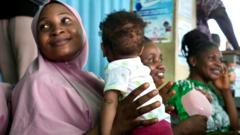
In a groundbreaking effort to combat malaria, Nigeria has officially launched the rollout of the R21/Matrix-M vaccine, designed to provide critical protection against one of the world’s deadliest diseases. As the nation with the highest malaria death rate globally, accounting for nearly a third of all malaria fatalities each year, the introduction of this vaccine is a significant milestone in public health. The World Health Organization (WHO) has approved this vaccine, which is now being administered to children aged between five and 15 months. Research indicates that the vaccine has an efficacy rate of 75%, although health officials advise that it should complement other malaria prevention methods, such as insecticide-treated mosquito nets and indoor spraying. The vaccination campaign began in Bayelsa and Kebbi states, two regions severely impacted by malaria, with plans to expand nationwide by next year. During the inaugural vaccination event in Bayelsa, a local mother named Happiness Idia-Wilson highlighted the importance of the initiative for protecting her child and expressed her intention to encourage other mothers to participate in the vaccination drive.Prof Seiyefa Brisibe, the health commissioner for Bayelsa, emphasized the state’s strategy to promote vaccine awareness through health campaigns conducted in various local languages. According to WHO data, in 2022, Nigeria represented 27% of global malaria cases and 31% of all related deaths, with vulnerable groups including children under five and pregnant women being disproportionately affected. Dr. Walter Mulombo, the WHO representative for Nigeria, expressed optimism that the deployment of this vaccine, alongside other preventive strategies, will significantly lessen the malaria burden within the country and contribute toward the broader objective of a malaria-free Africa. The economic impact of malaria on Nigeria is stark, as the government estimates the disease incurs losses of about $1.1 billion annually due to reduced productivity and healthcare expenditures.Developed by the Jenner Institute at Oxford University, R21/Matrix-M requires a series of three doses administered four weeks apart, followed by a booster after one year. Earlier this year, similar vaccination efforts were initiated in Ivory Coast and the Democratic Republic of Congo, whereas Ghana, Kenya, and Malawi previously tested another malaria vaccine, RTS,S, which Nigeria did not take part in for subsequent implementations. The initiation of this vaccination program marks a pivotal step forward in a collective global battle against malaria, aiming to safeguard the health of future generations in one of the world's most affected nations.