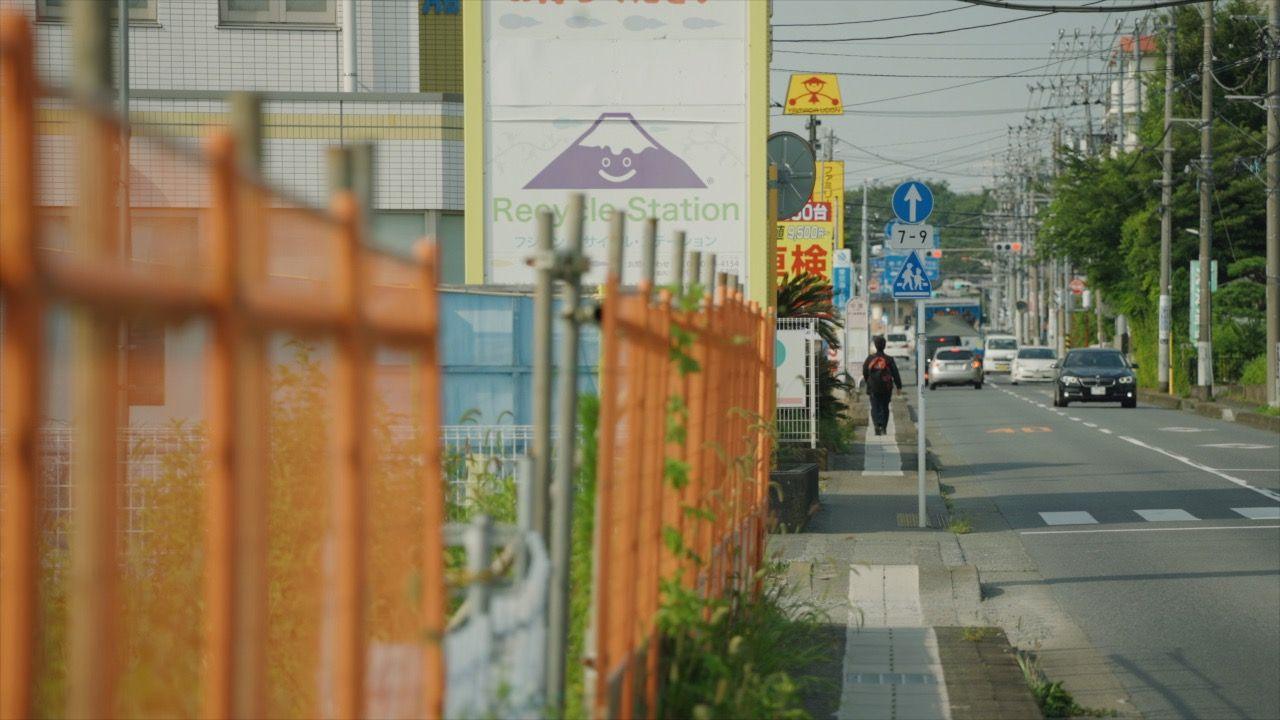
Today the future mosque site in Fujisawa is just a field of grass. Soon it will host Japan’s first mosque in the town, a project that has stirred controversy and unease.
"It makes me worry about how our community might change," says long‑time resident Noriko Izumizawa. The mosque’s construction ignites anger and fear among some locals, but also hope and acceptance among others, mirroring a national debate about immigration and a shrinking, ageing population that increasingly relies on foreign workers.
Across Japan, people increasingly confront a new reality: people of different cultures, languages, religions, and ways of being are arriving to fill labour gaps. In Fujisawa this reality has surfaced in protests at the train station, hate speech on social media, and counter‑protests calling for anti‑hate initiatives.
Being Muslim in Japan
Businessman Mohamed Mohideen, who has lived in Osaka for 39 years, notes that the environment has changed. He reports that Japanese people now say things like, “Get out of Japan” or “Go back to your own country,” and that some go to the mosque shouting abuse.
Mohideen says he has never felt in danger and that good relationships with neighbours have lasted decades, yet he senses a shift: “Now, I feel that people are afraid of us.” He stresses patience, gentle dialogue and kindness when responding to hostility, believing that better understanding is mutual responsibility.
Immigration vs Identity
Statistically, Japan has seen the Muslim population rise from 230,000 in 2019 to 420,000 by 2024. Meanwhile, the foreign‑resident population has surpassed four million, with 2.57 million workers. However, Japan’s immigration policies are still cautious – the government raised visa fees fivefold in June 2026 and plans to increase enforcement staff and impose limits on foreign residents.
In response to the mosque plans, Fujisawa’s residents highlight the tension between preserving traditional Japanese identity and embracing diversity. Izumizawa admits she has never had a negative experience with a Muslim neighbour, yet she fears the unknown: “Maybe I just fear the unknown.”
The debate continues as Japan confronts whether it can evolve into a more diverse society while maintaining the cohesion and identity it values.