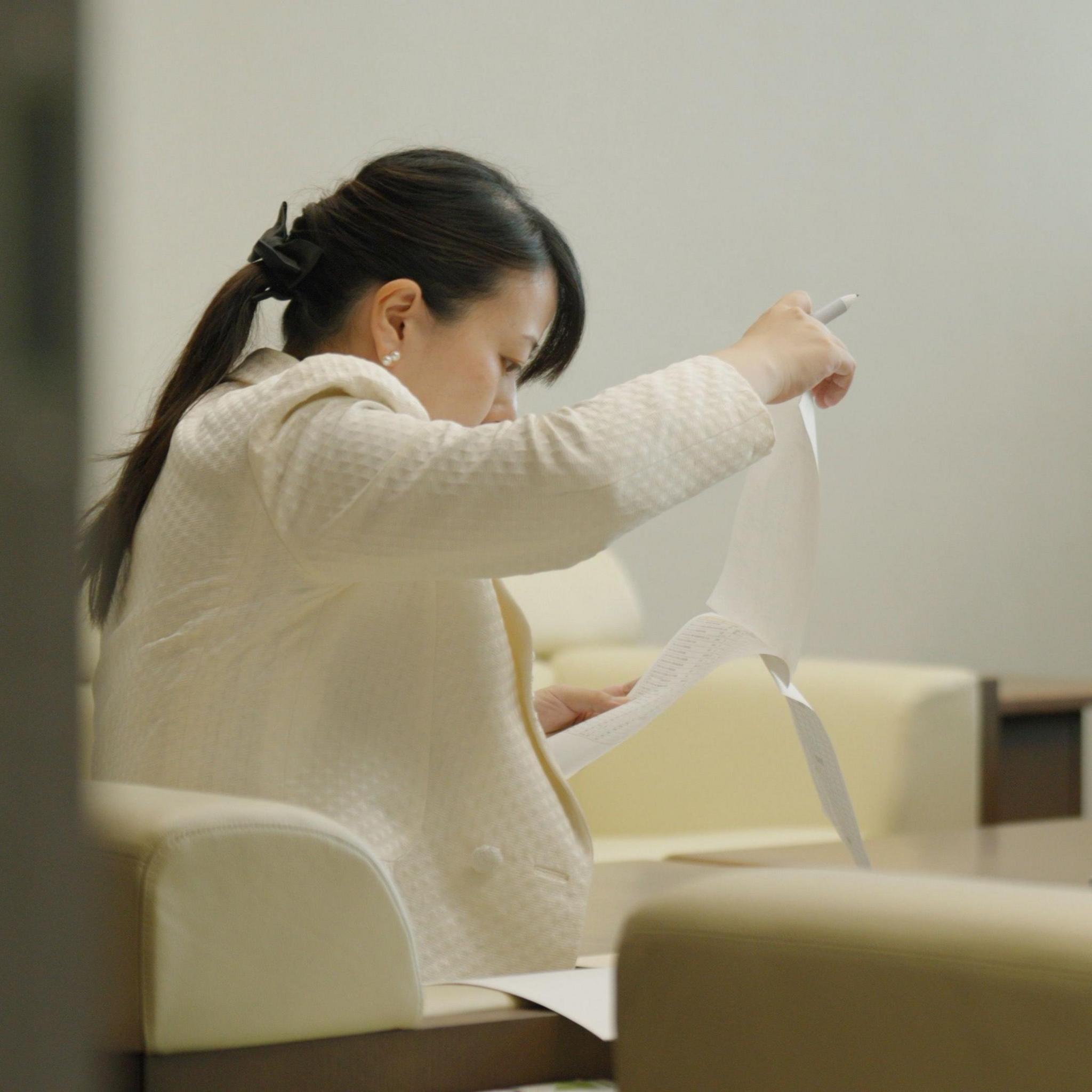
Shoko Kawata, a 35‑year‑old mayor of Yawata, announced that she will step aside for four months to give birth and care for a child. Kawata’s plan – two months before and two months after a mid‑September due date – marks the first instance of a Japanese mayor taking maternity leave, a move that drew nationwide attention and sparking a polarised debate.
In a small town south of Kyoto that is famed for its shrines and cherry trees, she said she had already consulted her deputies and planned that Shigeto Nose, a 62‑year‑old municipal official, would act on her behalf during her absence. The mayor’s announcement highlighted a glaring absence of a legal framework to grant elected officials maternity leave in Japan.
Public reactions are split: many internet users expressed empathy for Kawata’s decision, while others criticized her for “abandoning” public duties. Some commentators suggested that the role of a mayor demands constant presence and that pregnant officials should enlist before taking office. Comments from a section of viewers advocated for salary reductions during leave or even resignation.
Kawata counters that excluding women who can have children would worsen the already low participation of women in Japanese politics, where only about four percent of municipal leaders are female. She argues that society needs to evolve to support that women can “balance career and family” without choice.
The debate brings forward important policy questions: Japan provides statutory maternity and paternity leave that covers six weeks before delivery and eight weeks after, but few public officials take advantage of it. The new rule that since April 2025 parents can receive more support if both parents take leave highlights the potential for flexible arrangements.
Kawata hopes the public attention will not burden her future child, saying she wants a society where women can work and raise families simultaneously. Her case could serve as a catalyst for national policymakers to create a formal maternity leave system for public office holders, ensuring continuity of municipal governance.
The story sits alongside broader discussions on women's representation in Japanese politics, with only one female prime minister holding office in a country that ranks low on global gender equality indices. Kawata’s decision may inspire other female leaders to consider motherhood while in public service, though it also points to the need for systemic change.