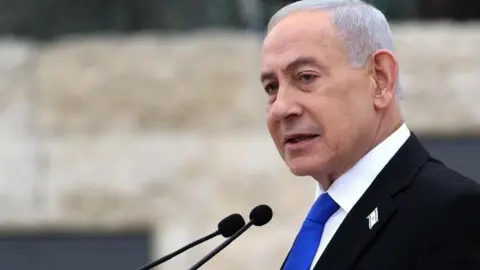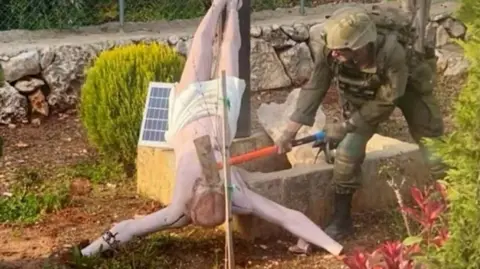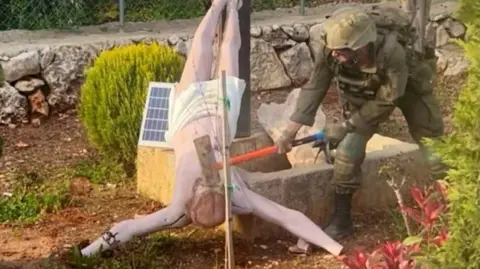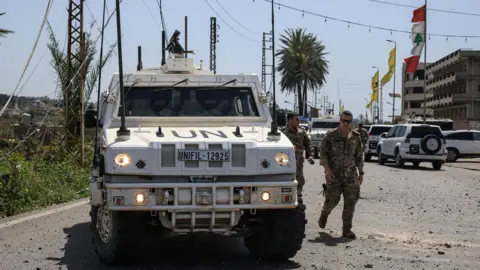
Israeli troops will control a large swathe of southern Lebanon as part of their campaign against Hezbollah, Defence Minister Israel Katz says.
Katz said troops would establish a security zone up to the Litani River, about 30km (19 miles) from the Lebanon-Israel border, and displaced residents would not be allowed back until northern Israel was safe.
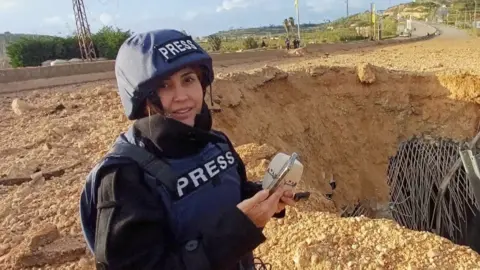
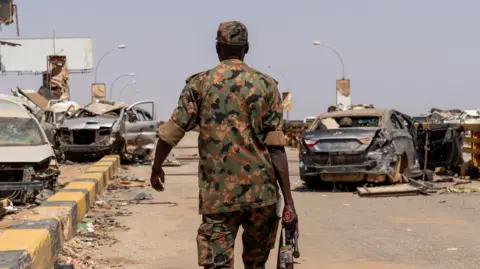
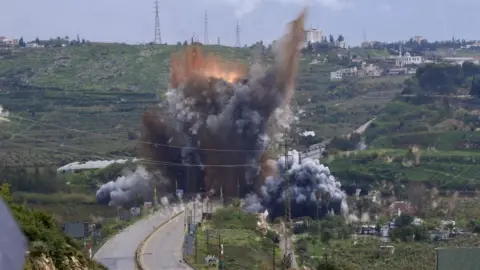
In his remarks, Katz noted that five bridges, perceived as key passages for Hezbollah operatives and weaponry, had been targeted and destroyed.
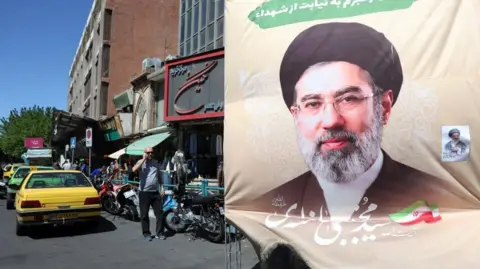
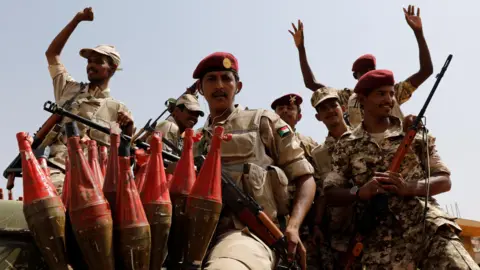
The latest escalation began after Iranian-backed Hezbollah fired rockets into northern Israel in retaliation for the killing of Iran's supreme leader and the ongoing Israeli attacks on Lebanon, which have persisted despite a ceasefire declared in November 2024.
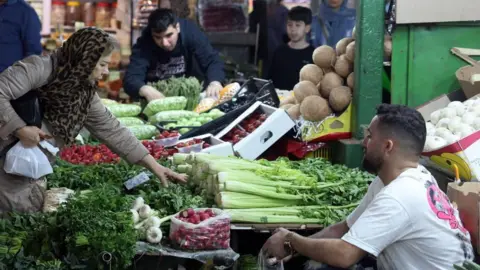
Since then, more than 1,000 people have been killed in Lebanon, including at least 118 children and 40 health workers, according to the Lebanese health ministry. Furthermore, more than a million people have been displaced, raising concerns over a humanitarian crisis.
Israeli officials claim these military operations aim to protect Israeli communities from continued threats posed by Hezbollah.
As the heartland of Lebanon's Shia Muslim community, southern Lebanon hosts Hezbollah's main support base. The Lebanese government has expressed intentions to disarm the group, formed in the 1980s in response to Israel's occupation during the Lebanese civil war, though Hezbollah has largely resisted discussions about its armament.
Defence Minister Katz accused the Lebanese government of inaction, stating that the Israeli Defense Forces (IDF) are now maneuvering into Lebanese territory to eliminate Hezbollah threats, emphasizing that security must be prioritized before any resettlement of displaced individuals occurs.
The Israeli approach echoes tactics previously employed in Gaza, where military operations led to significant destruction in civilian areas to mitigate perceived threats.
Lebanon's President Joseph Aoun has condemned these plans as a policy of collective punishment against civilians.