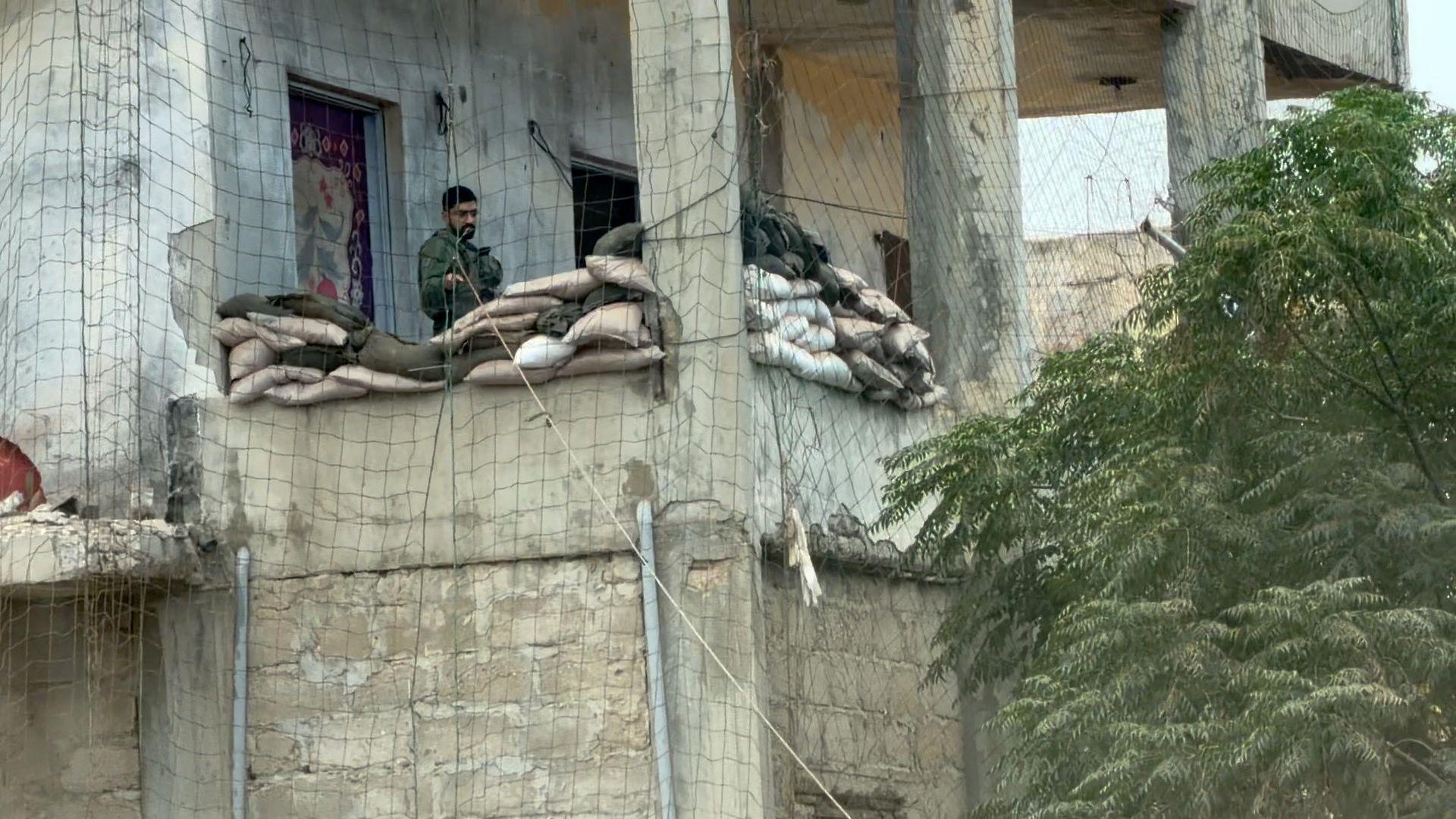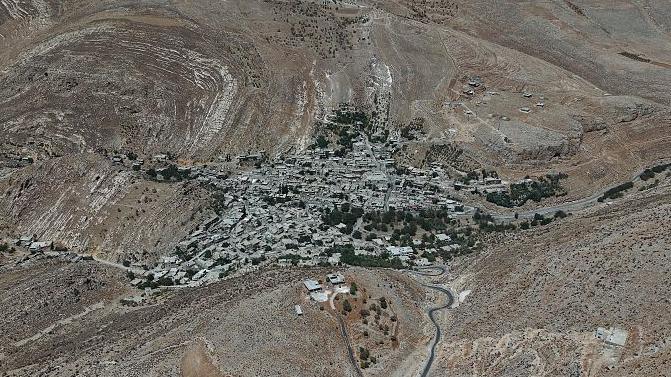
On Thursday, a fleet of settlers, many armed under the escort of Israeli soldiers, drove up the winding roads to Kadim, a hamlet perched on a hill overlooking the Palestinian town of Jenin. Thirty families arrived, carrying trailers laden with bedding, furniture and construction materials. The moment was marked by a national ceremony attended by Finance Minister Bezalel Smotrich, Knesset Speaker Amir Ohana and other senior officials, who praised the return as a “correction” of a historical injustice.
Kadim lost its status as a settlement in 2005, when Israel withdrew from Gaza and dismantled four small outposts in the western West Bank as part of a unilateral disengagement plan. The area had been declared off‑limits for Israeli civilians; the current government has now repealed that ban, allowing new settlers to move in.
The opening comes amid a surge of Israeli settlement activity in the West Bank – more than 100 projects have received approval since 2022, and 19 new sites have been established in northern areas alone. Many of these, including the recently opened Emek Dotan and Ganim, are situated close to Palestinian villages and businesses, sparking fears of displacement and violent confrontations.
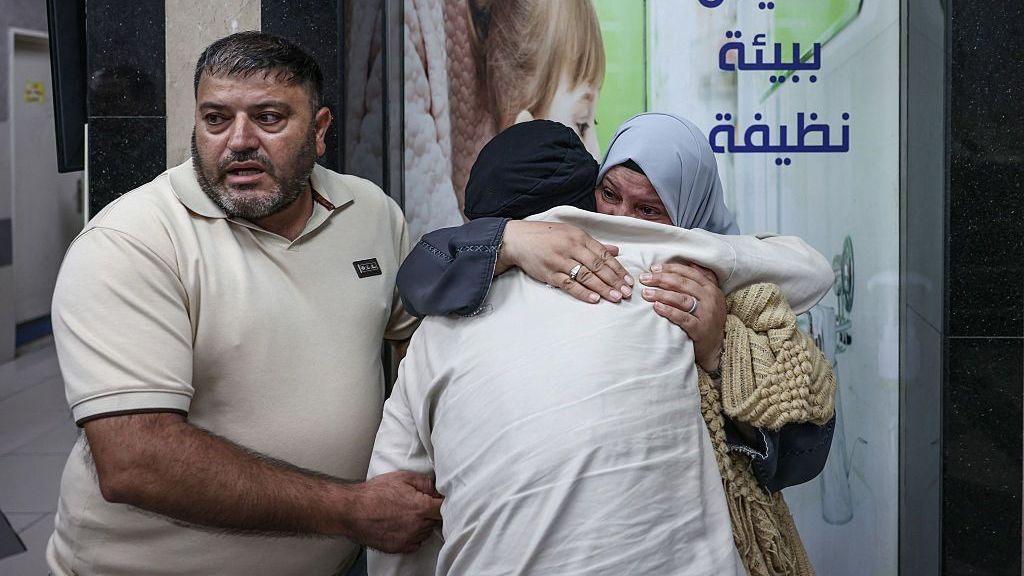
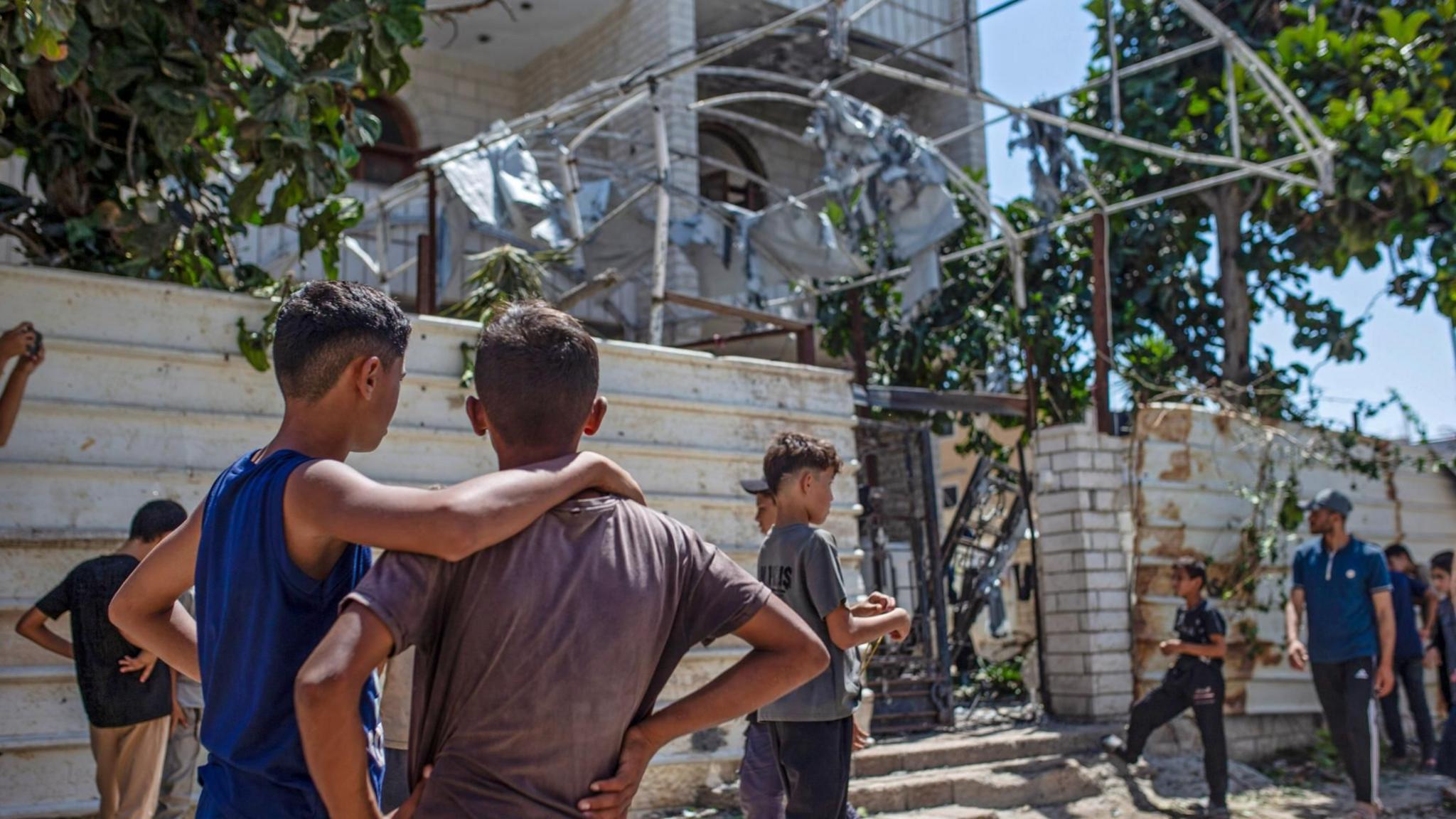
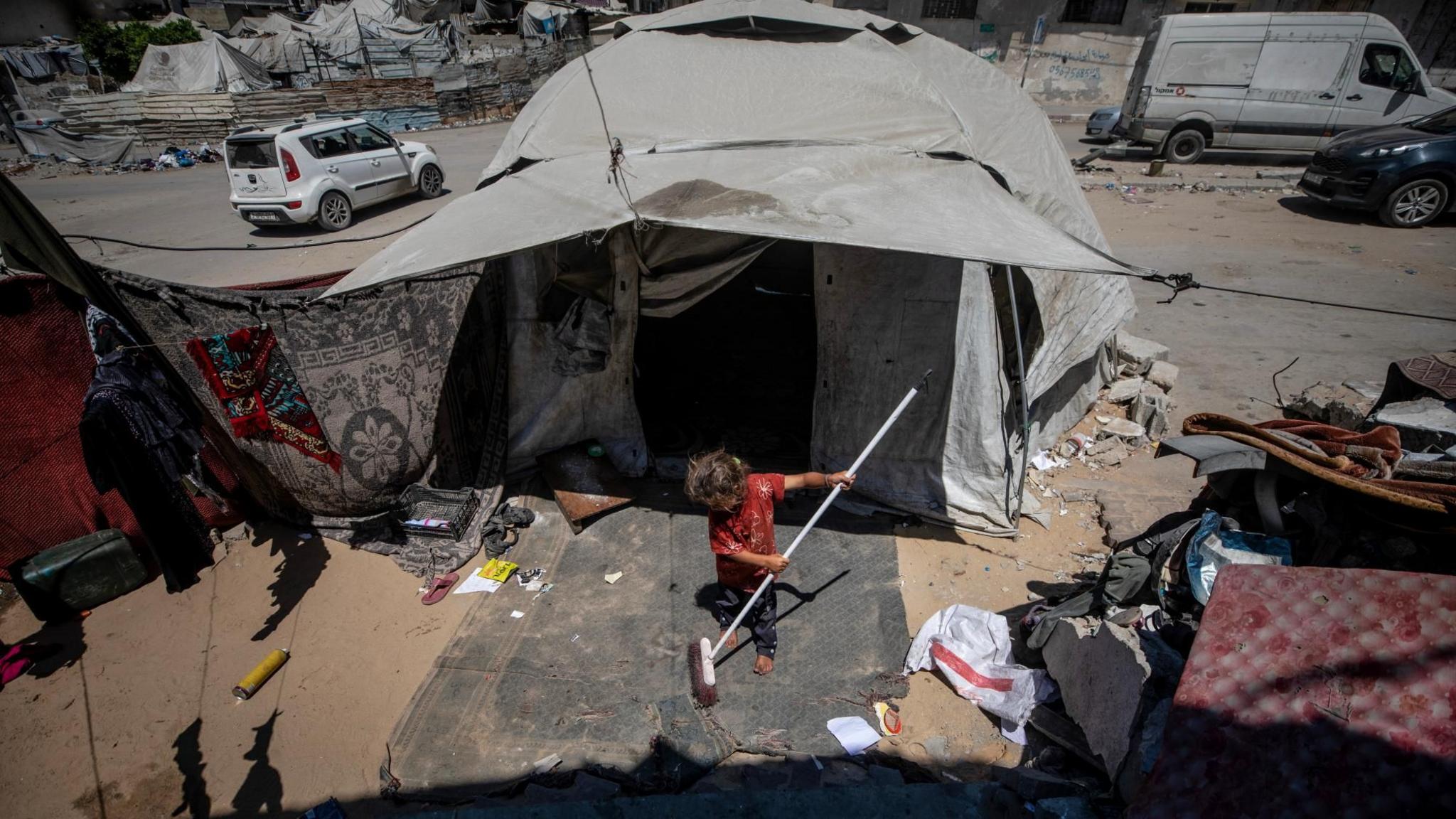
A local vegetable farmer recalled watching the original settlers build Kadim before they were forcefully removed 20 years ago, and he warned that the new return could trigger “events spreading around us” with road closures and demolition of shops. He described his own family’s displacement during the 1948 war and said “there’s no more displacement left in me.”
According to settlement‑watch groups, the rapid construction of new outposts near Jenin coincides with Israel’s push for a larger settlements footprint ahead of the upcoming national elections. Hagi Ofran, director of the Settlement Watch programme at Peace Now, noted that the pace of expansion is the fastest in decades and that it is part of a larger strategy to secure Israeli dominance over the western hills.
International law regards all Israeli settlements in occupied territories as illegal, a stance reaffirmed by United Nations resolutions. Within Israel, some outposts are illegal under domestic law, yet they often receive state support for infrastructure and services.