In the wake of Ayatollah Ali Khamenei’s death in a devastating air strike, Tehran staged a three‑day mourning spectacle that doubled as a calculated political broadcast of resistance.
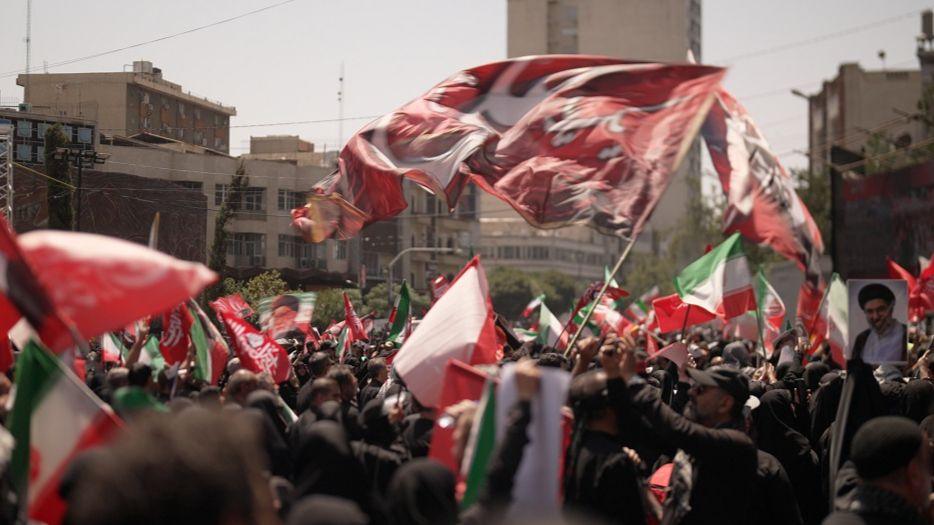
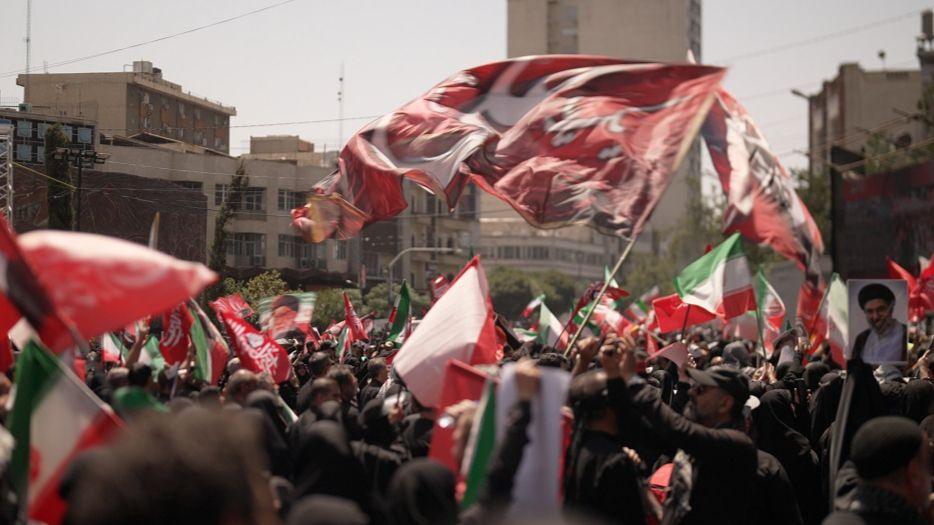
The funeral procession, a 10‑kilometre crawl from the capital’s heart to the mosque of Qom, carried five caskets wrapped in Iran’s yellow, blue, and violet flags. Each coffain listed a moureron or family member that piled on the scene. The route, however, was not a silent procession but a choir of millions of loyalists who shouted slogans, “Death to America,” “Death to Israel,” and “Revolution! Revolution!” Every milestone on the way was marked with broadcasted speeches, banners, and the thunderous sound of a clenched‑fist statue looming over Revolution Square.
For many Iranians, the graveish march was a reminder of the high cost of survival. The nation still struggled for eight to ten months after two wars, inflation at roughly 80 per cent, and the memories of the 2025 anti‑government protests. A spokesman for the state‑controlled aid‑distribution network said, “A lot of people went home and could not stand the heavy weight of poverty.” Some refused the funeral gates, saying the nation’s real voices had already been heard on the streets a few months earlier.
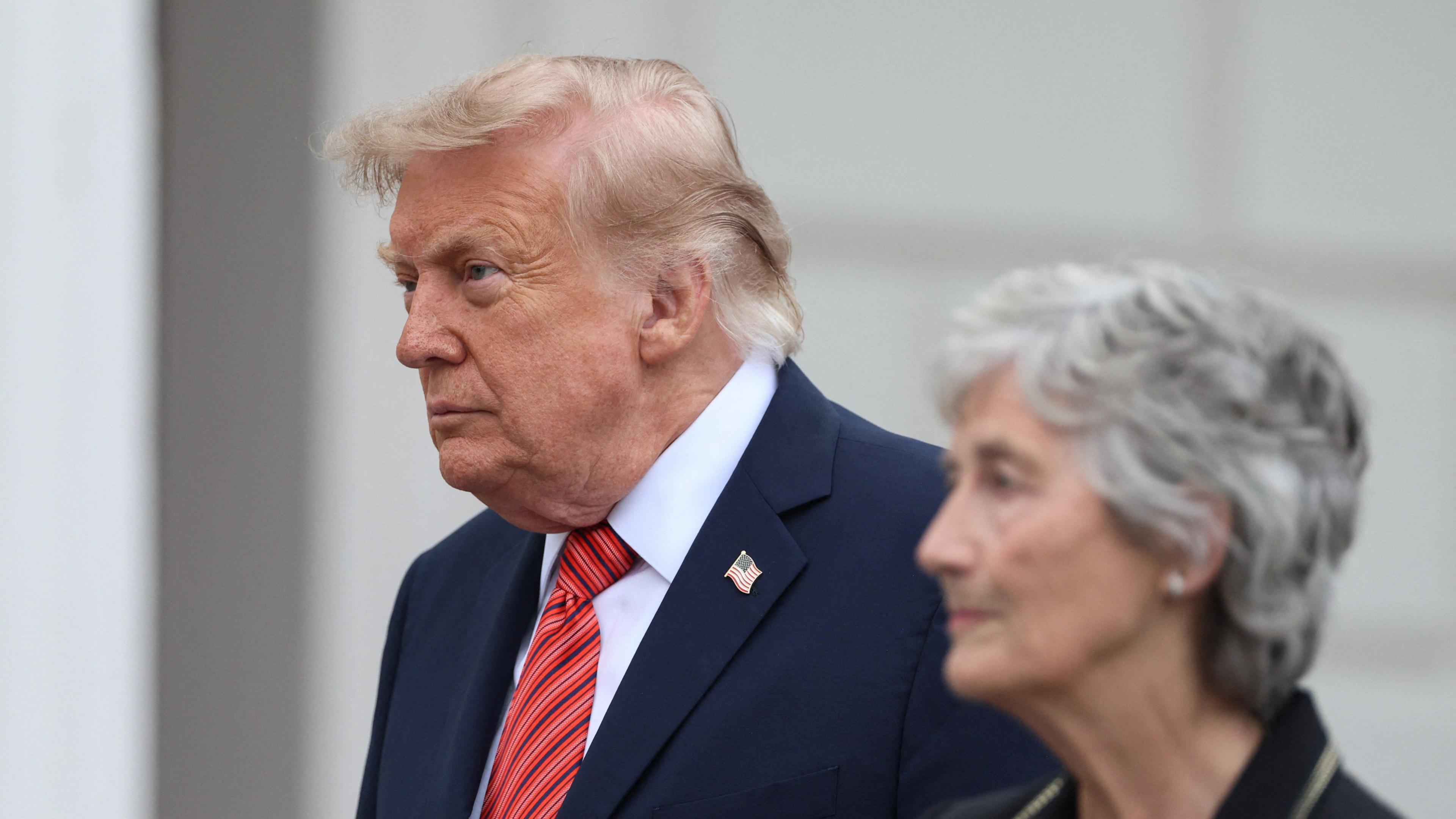
While diplomatic envoys noted the crowds’ white‑gloved zeal, each had to carefully state that they were just “tourists” and “journalists,” with one memo noting the “friends” only see “what you want.” The most visible rhetorical cue came from the United States’ own President, whose dismissal of the funeral’s tears as “fake” was countered by President of Iran, Masoud Pezeshkian, who declared the nation’s sorrow to be felt “by the entire world.”
The funeral was not simply an end‑of‑life tribute. The procession’s visuals communicated a statement of revenge: while four family members and the 14‑month‑old granddaughter Zara were buried in a mashri‑shroud coffin, a commemorative flag, a spaced flag made of silver‑blue‑tartan rail, and a huge poster that basically says “Trump is the target” were all the triangle of slowness. Within weeks of the weeks of the war, the latest scholarship suggests the new leaders who replaced Khamenei may still negotiate a tenuous deal with the U.S. for relief.
From the vantage point of modern science, the funeral sequence can be understood as a system of signals, a protocol for social inscriptions. Sitting in concrete‑footed space, the procession was a controlled social experiment in orchestrated protest. That it was broadcast worldwide made it a novel study of how “defiance” can be shaped by visual, textual, and auditory cues.