Indonesian Court Convicts Trafficking Ring; Singapore Babies Await Future
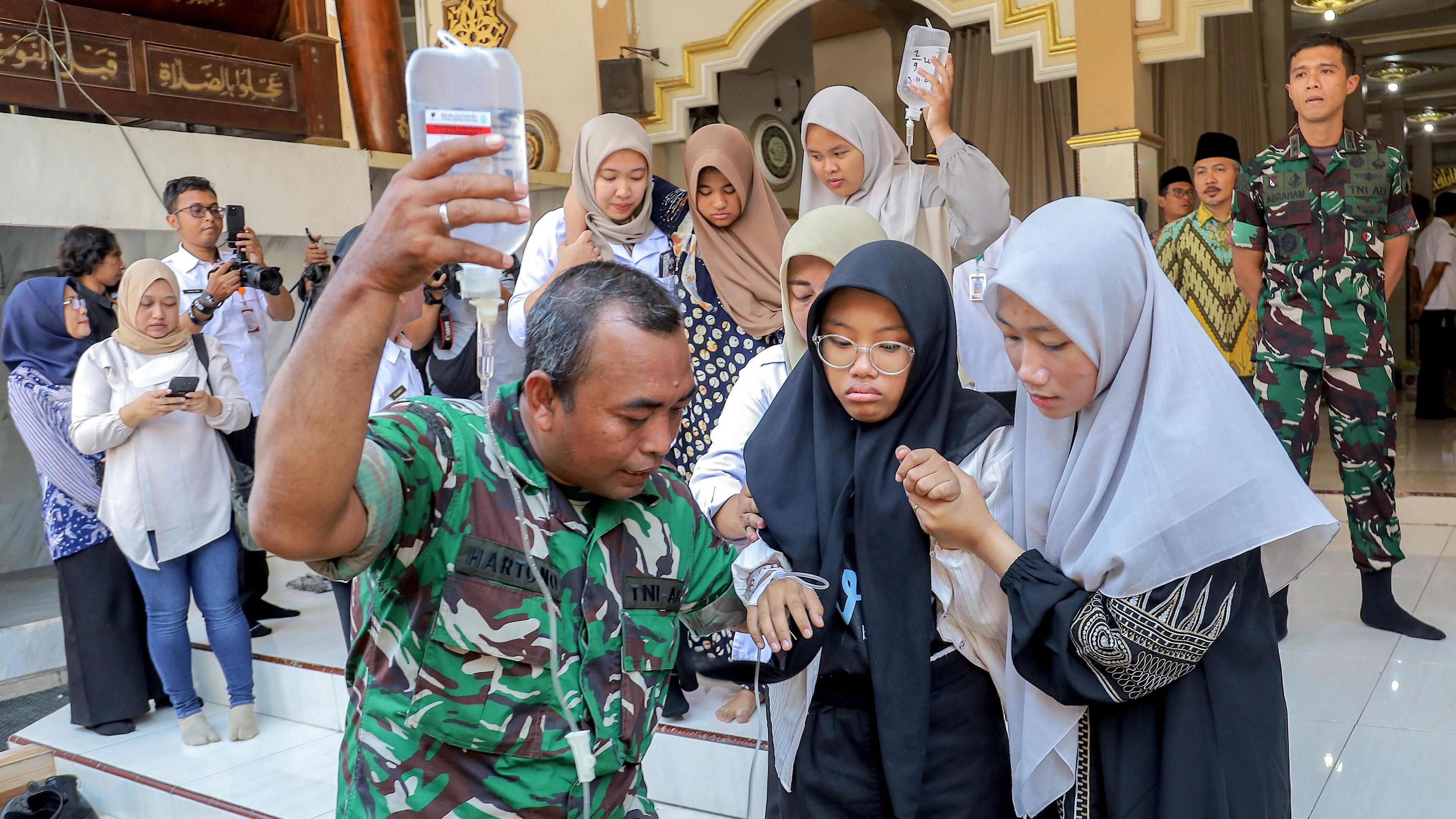
On Tuesday, a court in West Java convicted 19 people—chief organizer, accomplices and supposed middlemen—for procuring 34 babies and selling them for adoption. Most of those infants were jammed into Singapore, where a dozen have already been adopted.
Forgotten Futures
The judgment resolved the criminal side of the story but left a critical question: what will happen to the babies now living in Singapore? Their adoptive parents, living in Kuala Lumpur‑level homes, are anxious about their children’s security and rights.
One unnamed Singaporean parent said, “We need a clear decision that protects our son’s best interests. The past year of uncertainty has been unbearable.”
Government Statements
Indonesia’s foreign affairs ministry stated that several aspects still require examination, notably the children’s legal status and identities of their biological parents. Singapore’s ministries of Home Affairs and Social and Family Development reiterated that the courts will consider the best interests of the children, and that, “based on current information, no offence has been conclusively proven in Singapore.”
In court, the trafficking ringleader claimed that four Singaporeans approached her to procure babies; an Indonesian Interpol branch publicly named the Singaporean adoption agency involved.
Legal Uncertainty
Revoking adoption orders in Singapore is unprecedented. Lawyers note that adoption orders are ordinarily final due to robust safeguards and multiple checks woven into the process. However, if the basis of adoption is fabricated, a court could deem it questionable.
Potential factors influencing a revocation include the child’s psychological impact, time spent in Singapore, living conditions they would return to, and the truthfulness of the adoption basis. The babies entered Singapore between 2023 and 2025, placing the oldest at about three years of age.
Challenges Ahead
Some children have no identified birth parents; most of the rescued infants are now in a Bandung orphanage. If returned, they might be placed in state care. Conversely, if biological parents are later identified, the children should have the right to know them.
The case also highlights that many lives begin with exploited babies; whether to keep them adopted or return them hinges on legal definitions of best interests, identity, and trafficking status.
Final Note
Singapore’s adoption websites list publicly the children; the court will need to weigh the emotional, legal, and humanitarian aspects carefully. Until a definitive decision is made, relatives and authorities are left navigating a maze of law, compassion, and uncertainty.