ICC Breakthrough in Darfur: Concrete Links Between RSF Chiefs and War Crimes
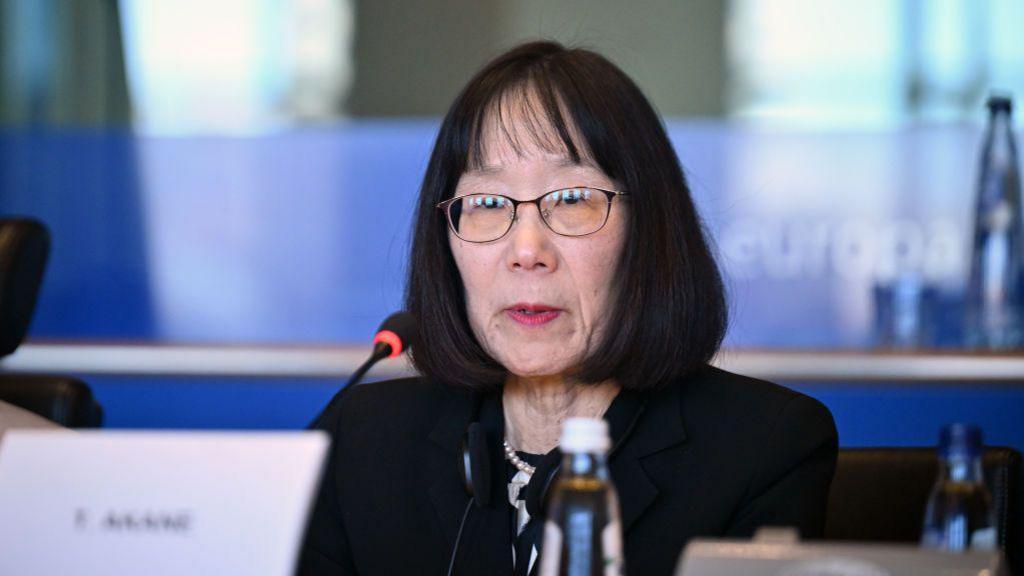
The International Criminal Court (ICC) has confirmed that it now possesses “concrete evidence” that ties leaders of Sudan’s paramilitary Rapid Support Forces (RSF) to the massacres that occurred in the cities of el‑Fasher and el‑Geneina. Deputy Chief Prosecutor Nazhat Shameem Khan announced the development in a BBC interview, noting that the evidence connects documented atrocities to specific commanders within the RSF hierarchy.
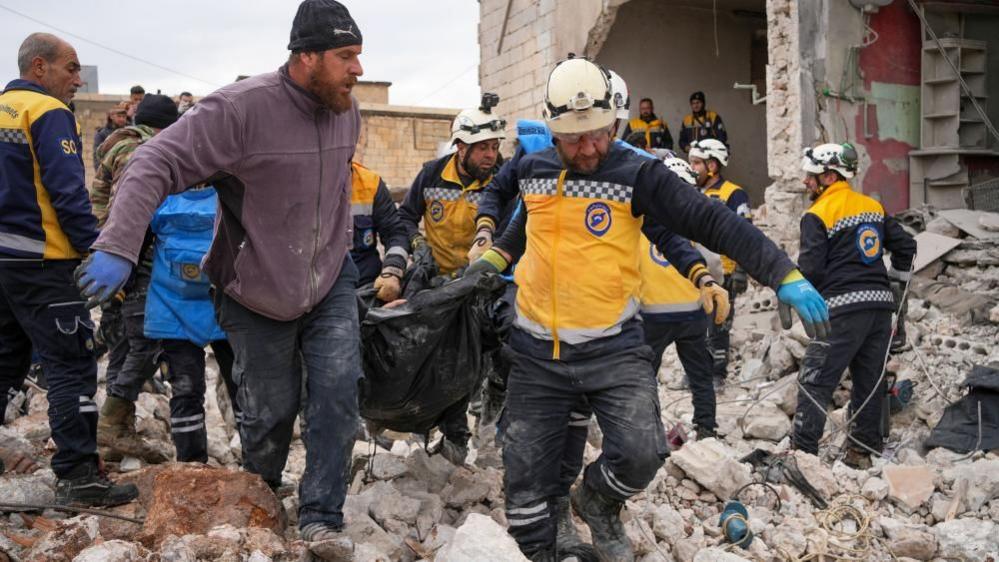
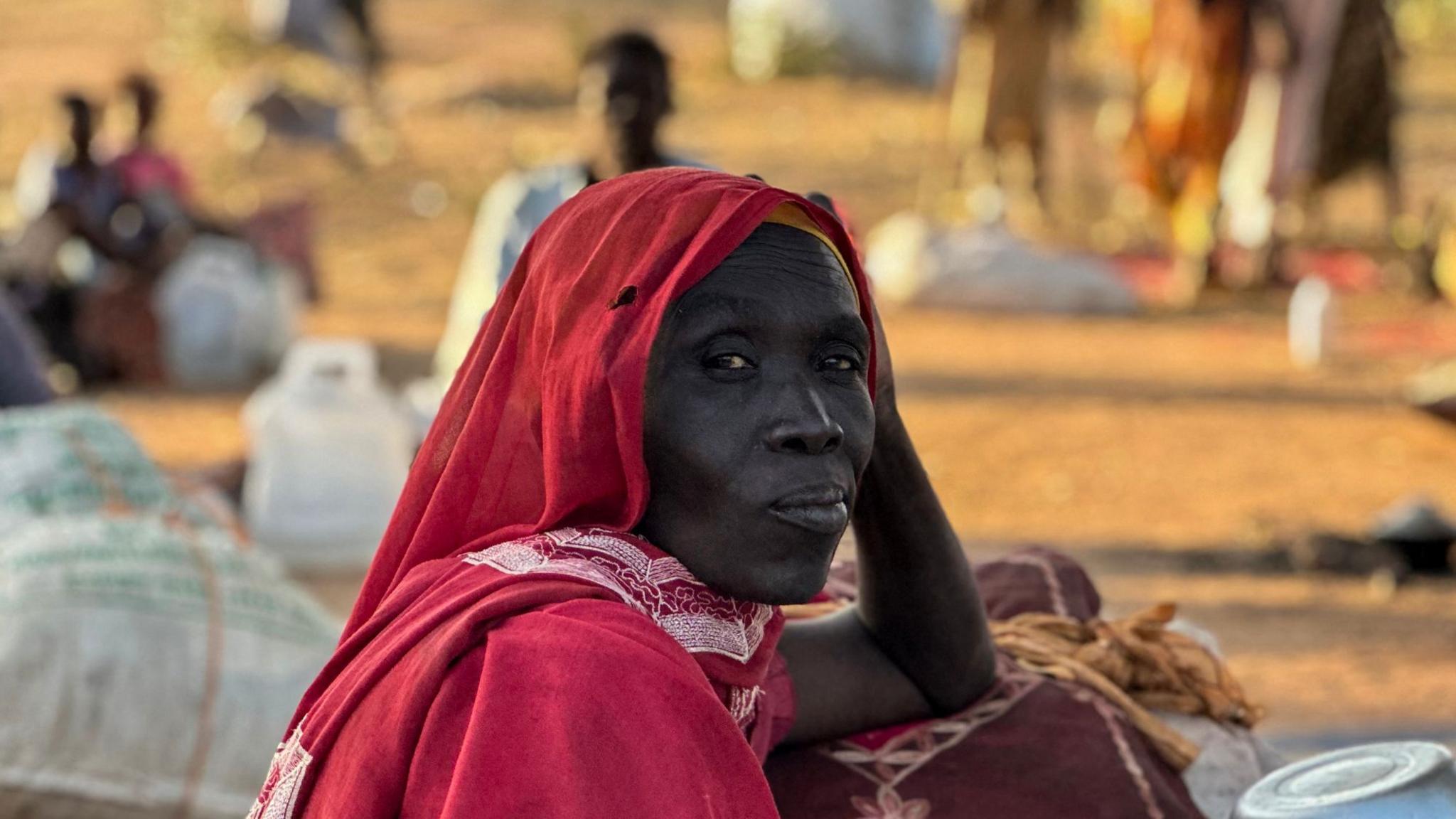
The RSF seized el‑Fasher in October of last year, and UN reports say more than 6,000 people were killed. The subsequent occupation of el‑Geneina has also been linked to similarly brutal episodes. Despite RSF claims that the killings were exaggerated or unethnically motivated, the ICC’s findings indicate a systematic pattern of violence that aligns with past Janjaweed atrocities in the 2000s.
Khan emphasized that while the ICC cannot yet forecast when charges will be filed, the “breakthrough” marks a decisive step toward bringing perpetrators before the court. The court, headquartered in The Hague, holds jurisdiction to prosecute genocide, crimes against humanity and war crimes on a global scale.
The RSF’s own investigations have begun after the capture of el‑Fasher, with senior commander Gen. Mohamed Hamdan Dagalo issuing statements indicating that the group is examining any alleged atrocities. Yet, so far, the RSF has declined to release detailed findings.
Historical context underscores the gravity of the case. Since the early 2000s, ICC investigations into Darfur have led to nine arrest warrants and six trials, with notable defendants including former Sudanese President Omar al‑Bashir. A former Janjaweed leader, Ali Muhammad Ali Abd‑Al‑Rahman, was sentenced to 20 years after a 2023 conviction for war crimes. The Janjaweed’s evolution into the RSF reflects the continuity of forces implicated in the region’s violence.
Looking forward, the ICC’s new material – comprising witness accounts, photographs, videos and forensic analyses – may finally crystallize a legal framework that holds RSF leadership accountable. While progress is slow, the revelation of concrete linkage signals a turning point in the pursuit of justice for victims across Sudan’s ruined cities.