Viktor Orbán's 16 years in power is over, and the system condemned as an 'electoral autocracy' lies in tatters, defeated by a 45-year-old former party insider who convinced a majority of Hungarians to bring it to an end.
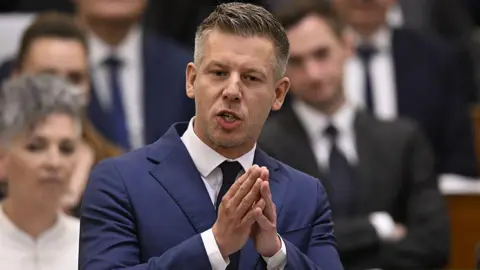
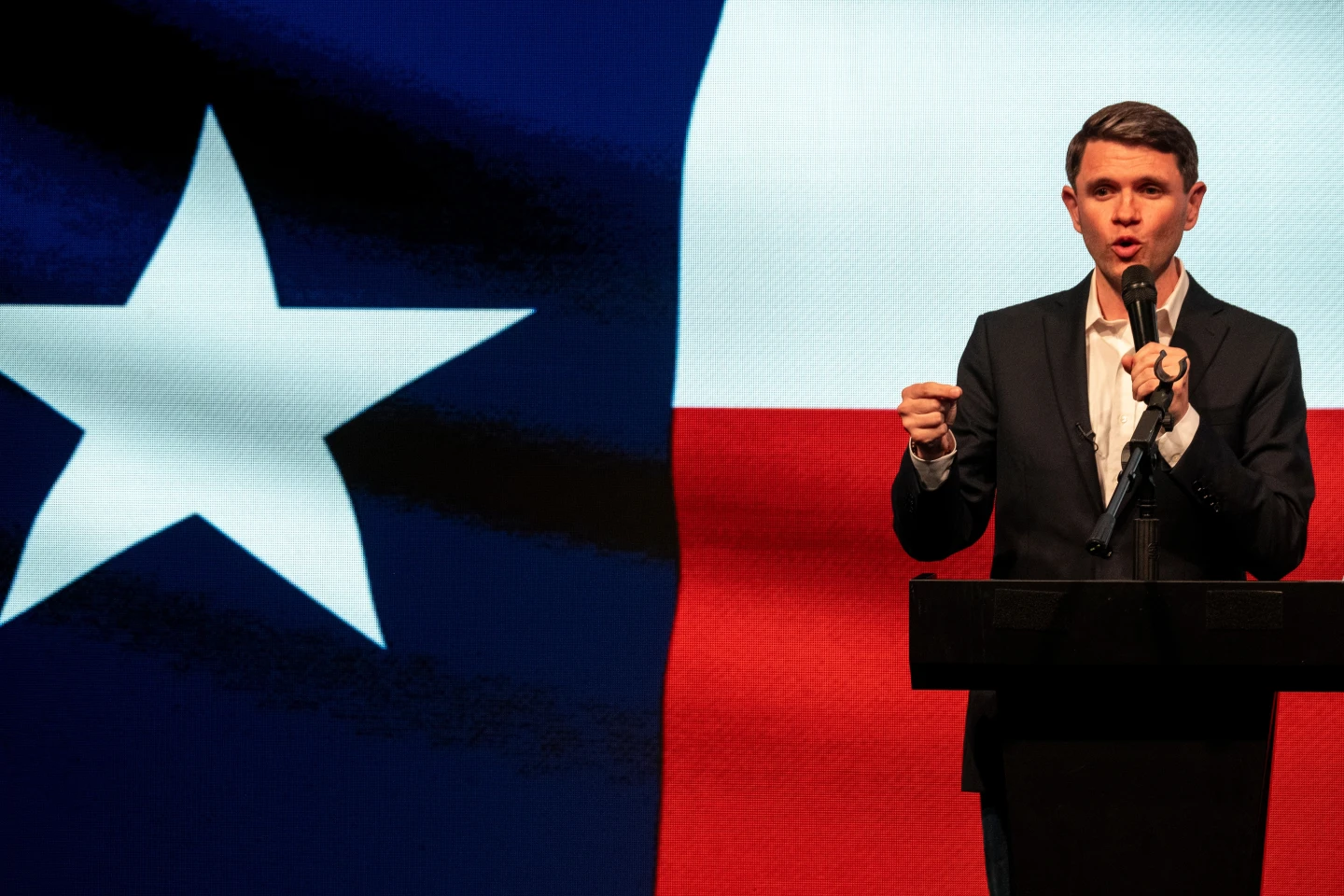
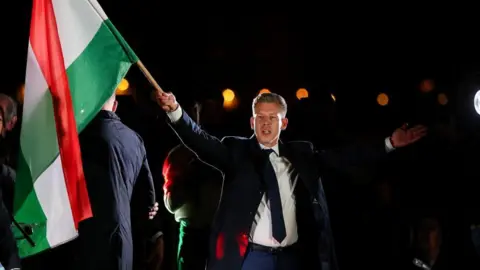
'We did it,' Péter Magyar told a crowd of cheering supporters in a square beside the River Danube, overlooking Budapest's magnificent parliament on the other side.
'Together we overthrew the Hungarian regime.'
Preliminary results, based on more than 98% of votes counted, put his Tisza party on course for an extraordinary 138 seats, with Orbán's Fidesz on 55 and the far-right Our Homeland on six.
For two years, Magyar took his burgeoning movement around villages, town squares, and cities, rallying Hungarians who had had enough of the cronyism and corruption that had become endemic over the years.
'Never before in the history of democratic Hungary have so many people voted - and no single party has ever received such a strong mandate,' he said on Sunday night, after a record 79% of the electorate turned out to vote.
Orbán's rule was built up through four successive election victories and sweeping majorities, but it was over in a matter of minutes.
As pro-Magyar supporters waited expectantly in the square on the Buda side of the Danube, the Tisza leader posted an extraordinary message on Facebook: 'Viktor Orbán just called me on the phone and congratulated us on our victory.'
Orbán himself appeared on a stage in a conference center a mile down-river on the other side of the Danube, surrounded by his glum-looking Fidesz party colleagues.
'The result of the election is clear and painful,' he told them, thanking the estimated 2.5 million Hungarians who stuck by him. 'The days ahead of us are for us to heal our wounds.'
Magyar has promised to reverse Orbán-era changes to education and health, tackle corruption, restore the independence of the judiciary, and dismantle the widely loathed system of patronage known as NER that enriched party loyalists and squandered state resources. To effect these constitutional changes, he needed a two-thirds majority of 133 seats, and latest results suggest Tisza is on course for 138.
He likened their electoral victory to the Hungarian revolution of 1848 and the uprising against Soviet occupation in 1956.
Supporters chanted 'Russians go home', as Magyar pledged better relations with the EU, signaling a shift in Hungary's foreign policy after years of close ties with Russia under Orbán. Meanwhile, Orbán continues to lead Hungary in a caretaker role, his political future uncertain amid this monumental change.