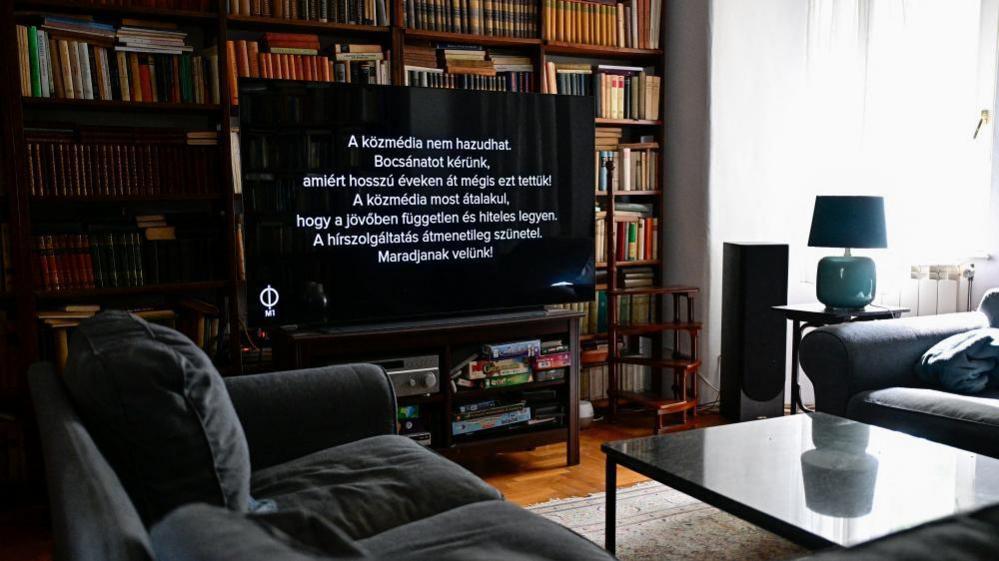
Hungarian Public Media Shuts Down to End Orbán‑Era Propaganda
The country’s main public television channel, M1, and its radio counterpart, Kossuth, both temporarily stopped broadcasting news programs on Tuesday after the new government announced a series of reforms aimed at making state media independent and trustworthy.
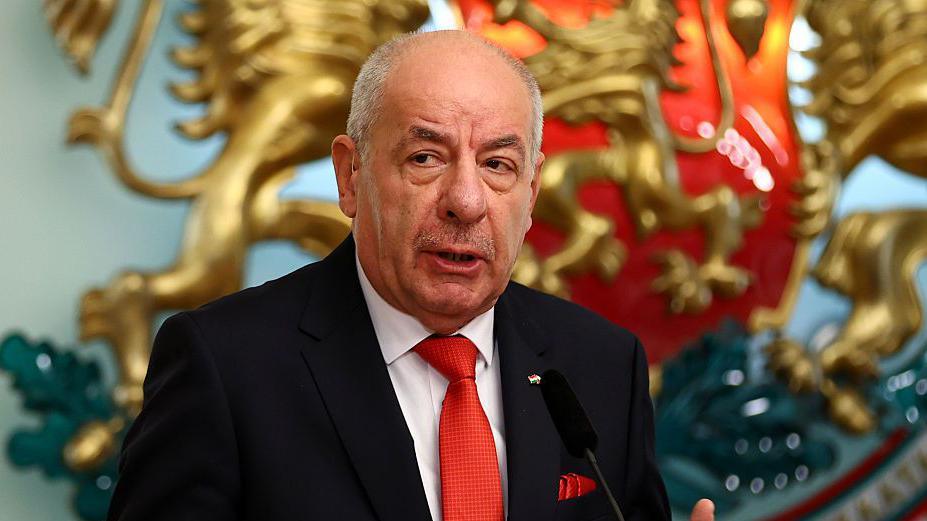
Moscel Hungarian prime minister Péter Magyar, who had been elected in a landslide following an earlier period under Viktor Orbán, described the decision as “the end of propaganda broadcasts,” framing it as a historic step toward a free media landscape.
M1’s screen displayed a white message on black text: “Public media should not lie. We are sorry for doing it for so long. Public media now will be reformed so it will be independent and trustworthy. Our news programme is currently suspended. Stay tuned!” In contrast, Kossuth’s frequencies switched to a classical music station, Bartok Radio.
The suspended channels’ websites went offline as the state broadcaster, MTVA, pledged a new editorial team and a gradual reintroduction of news bulletins in a re‑formatted format.
Orbán himself called the measures “another example of Tisza tyranny” and urged his followers to watch the party‑aligned Hir TV channel instead. He criticized the new government for removing his access to state media, a stance that had previously defined his tenure.
Magyar’s actions are part of a broader effort to overhaul Hungary’s public broadcasting institutions, a goal he promised during his campaign introduction. The goal is to dismantle former alliances that had allowed political parties to shape news coverage and to ensure that journalists can report without state interference.
The move has already sparked debate across Europe, with some seeing it as a genuine step toward media freedom while others warn of unintended consequences for political balance. The full impact will depend on how the new editorship prior to the next election handles content and staffing.