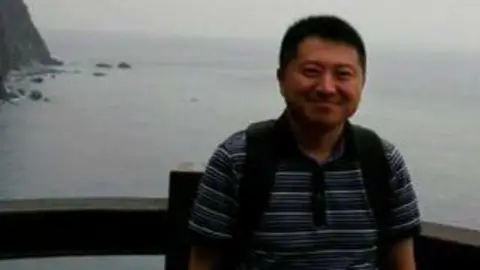
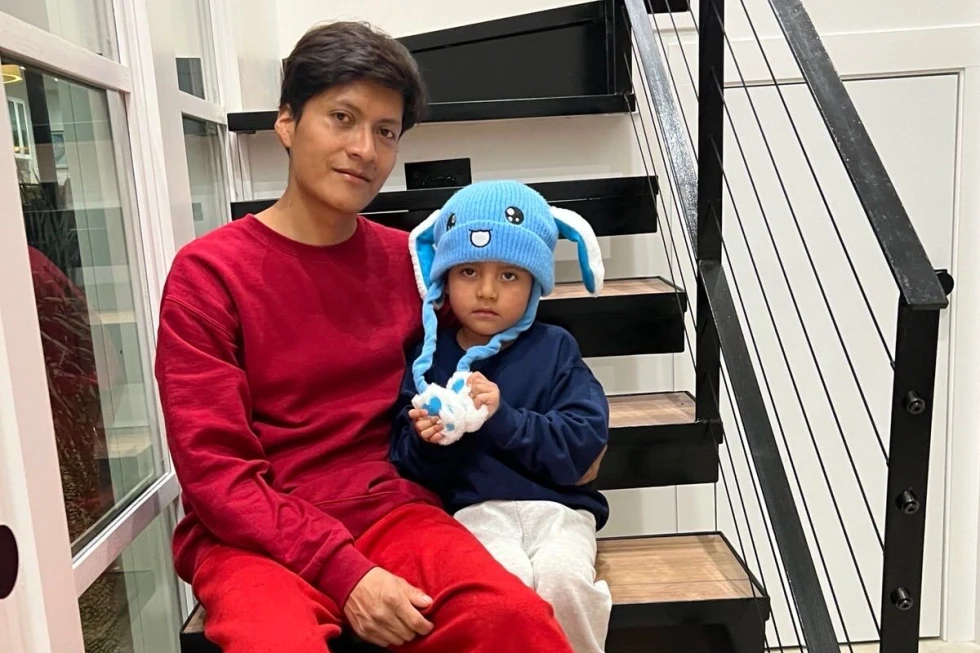
Guan Heng, a Chinese whistleblower who exposed severe human rights abuses in Xinjiang, has been released from federal detention after more than five months, following a successful asylum application. Guan was greeted with joy as he was reunited with his mother on Tuesday in Binghamton, New York.
Speaking to reporters, Guan expressed relief but noted the emotional toll of his detention. I’m in a great mood, he said, emphasizing the support he received from friends upon his release. His mother, Luo Yun, who came from Taiwan to support him, shared her own sense of relief after months of sleepless nights worrying about her son.
This case is a rare instance of an asylum seeker achieving success under the restrictive immigration policies of the Trump administration. Prior to his asylum ruling, Guan faced the grim possibility of deportation to Uganda, which was averted after the public and political scrutiny of his situation made waves.
Representative Ro Khanna, a leading figure on human rights issues, remarked that Guan's prolonged detention was unwarranted. He emphasized that the rule of law should coexist with moral responsibility to protect human rights defenders.
Guan's plight emerged after he meticulously documented the human rights violations in Xinjiang, a matter that has drawn international condemnation. His 2020 footage showing detention facilities provides evidence of China's ongoing repression of ethnic minorities, particularly impacting the Uyghur population.
Beijing has staunchly denied any allegations of abuse, instead framing its actions in Xinjiang as necessary for economic development and social stability, dismissing dissent as radicalism. However, the U.S. State Department has condemned these actions, affirming that they constitute serious human rights violations.
During his asylum hearing, Guan clarified that his initial aim was not to seek asylum but to share the struggles faced by the persecuted Uyghurs. Although his journey to publishing the footage was fraught with danger, he was determined to ensure the world could see the truth about Xinjiang.
Guan's case sheds light on the complexities surrounding asylum procedures and the essential role of whistleblowers in exposing human rights violations, as calls for transparency and humanitarian support continue to resonate within political discourse.