In brief
The new India‑UK free trade agreement slashes duties on almost all Indian exports, sparking fresh opportunities for UK retailers to source textiles, garments and whisky at lower costs. The deal has already prompted companies like Welspun Living to plan joint supply chains with John Lewis and Tesco, while Scotch producers anticipate a drop in customs duties that could ripple into retail pricing. Industry analysts predict double‑digit growth in Indian exports to the UK, though challenges such as the UK’s steel tariff caps and the upcoming carbon‑border adjustment mechanism may temper gains. Overall, the pact marks the biggest bilateral trade milestone for Britain post‑EU, potentially widening product choice and reducing prices for consumers on both sides of the channel.
The India‑UK free trade agreement, which came into force just hours ago, is already reshaping the supply chain for UK retailers. Companies such as Welspun Living, makers of Wimbledon's championship towels, are arranging joint planning with retailers like John Lewis and Tesco to take full advantage of the new tariff landscape.
Under the FTA, 99 % of Indian exports to the UK will see tariffs removed or reduced and 90 % of UK imports into India will do the same. This reduction could lift Indian export volumes to the UK, potentially adding double‑digit growth that would benefit retailers and consumers alike.
One of the high‑profile gains is on Scotch whisky – the UK’s duty falls from 150 % to 75 % immediately and will further reduce to 40 % over ten years. Current importers say they are preparing the necessary certificates of origin and clearance paperwork so that each bottle can benefit from the revised tariff right away.
However, the impact of the pact may remain incremental in the short term. Analysts note that only 20 – 30 % of eligible Indian exporters routinely claim FTA preferences, and a sizeable portion of UK goods – such as steel above a specific quota – will still carry tariffs that could dampen any benefit. The carbon‑border adjustment mechanism, introduced by the UK, also poses a risk of adding another cost layer for Indian exporters in covered sectors.
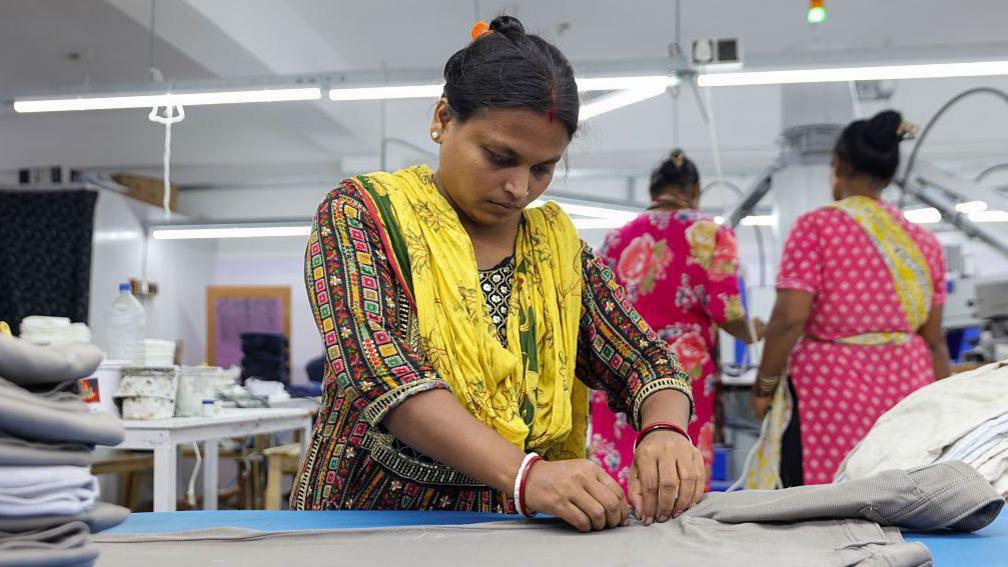
Despite these hurdles, experts see clear opportunities for rope‑made garments, a sector that has historically struggled against China’s dominance in UK imports. CareEdge Research forecasts a doubling of India’s share from 6 % to 12 % of the UK's ready‑made garment market within the next few years, with bilateral trade expected to grow around 15 % annually. A larger share of Indian products would not only benefit exporters but also give UK shoppers a broader range of affordable, quality goods, from clothing to marine accessories.