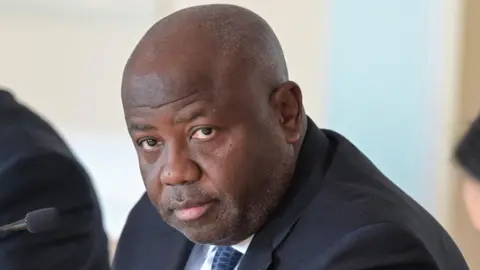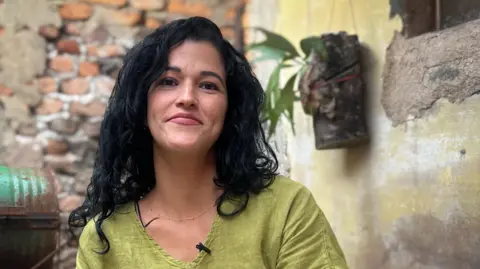
On the first day, I asked 'why are there no more women?' Hind Kabawat reflects, positioning herself not only as Syria's minister for social affairs and labour but also as a symbol of transition in the war-torn nation. Appointed in Mark 2025 under President Ahmed al-Sharaa's government, she is navigating through a landscape marred by sectarian violence and societal strife.
Once an opposition figure in exile, Kabawat recalls the mistakes made since the government's establishment—errors that she acknowledges are part of any shift toward peace but insists are being actively addressed.
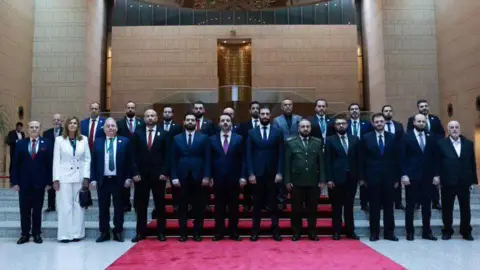
Despite being the only woman in the current cabinet, Kabawat presses for a more inclusive approach. Mistakes happen in transition, she states, urging the need for more female representatives in government positions, and shares the president's promise to include more women in the future.
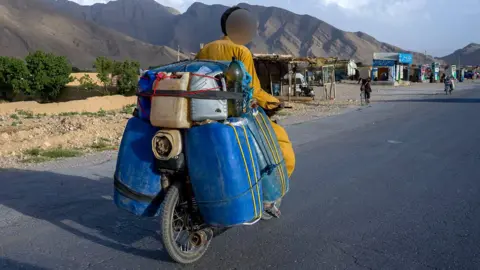
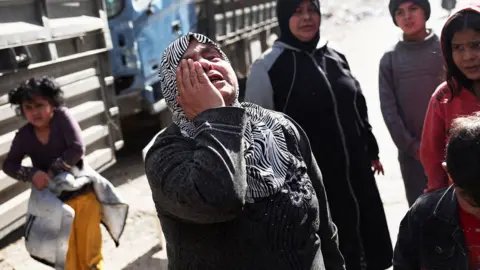
Amidst the backdrop of rampant poverty affecting 90% of Syrians, as reported by the United Nations, she strives to focus on creating job opportunities and providing security for displaced populations.
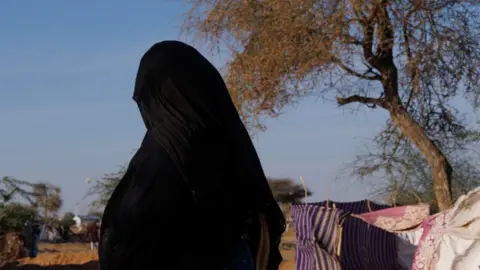
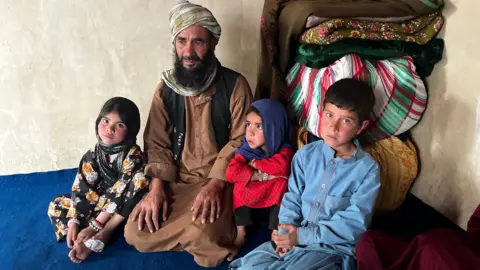
Kabawat's commitment to transforming Syria goes beyond mere governance; she actively engages with vulnerable communities. During visits to refugee shelters, she listens to the urgent needs of widows, orphans, and families affected by decades of conflict, while encouraging economic empowerment initiatives.
In Idlib, she inspires local women to take on leadership roles, emphasizing the crucial need for women's participatory rights in the political sphere. Scenes of hopeful gatherings of women strategizing for change highlight her impact as a role model, promoting unity in the quest for gender equality amidst conservative traditions.
Kabawat's tenure symbolizes the transformative potential women hold in rebuilding war-torn societies. I'm not here for window dressing, she asserts, showcasing her determination to foster substantive change in a country still grappling with its identity and future.
Once an opposition figure in exile, Kabawat recalls the mistakes made since the government's establishment—errors that she acknowledges are part of any shift toward peace but insists are being actively addressed.
Despite being the only woman in the current cabinet, Kabawat presses for a more inclusive approach. Mistakes happen in transition, she states, urging the need for more female representatives in government positions, and shares the president's promise to include more women in the future.
Amidst the backdrop of rampant poverty affecting 90% of Syrians, as reported by the United Nations, she strives to focus on creating job opportunities and providing security for displaced populations.
Kabawat's commitment to transforming Syria goes beyond mere governance; she actively engages with vulnerable communities. During visits to refugee shelters, she listens to the urgent needs of widows, orphans, and families affected by decades of conflict, while encouraging economic empowerment initiatives.
In Idlib, she inspires local women to take on leadership roles, emphasizing the crucial need for women's participatory rights in the political sphere. Scenes of hopeful gatherings of women strategizing for change highlight her impact as a role model, promoting unity in the quest for gender equality amidst conservative traditions.
Kabawat's tenure symbolizes the transformative potential women hold in rebuilding war-torn societies. I'm not here for window dressing, she asserts, showcasing her determination to foster substantive change in a country still grappling with its identity and future.