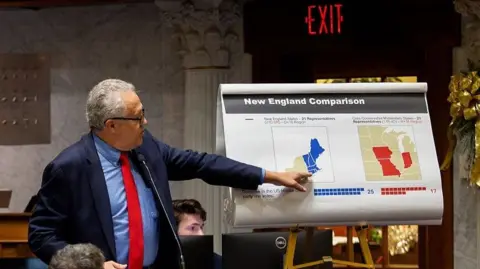
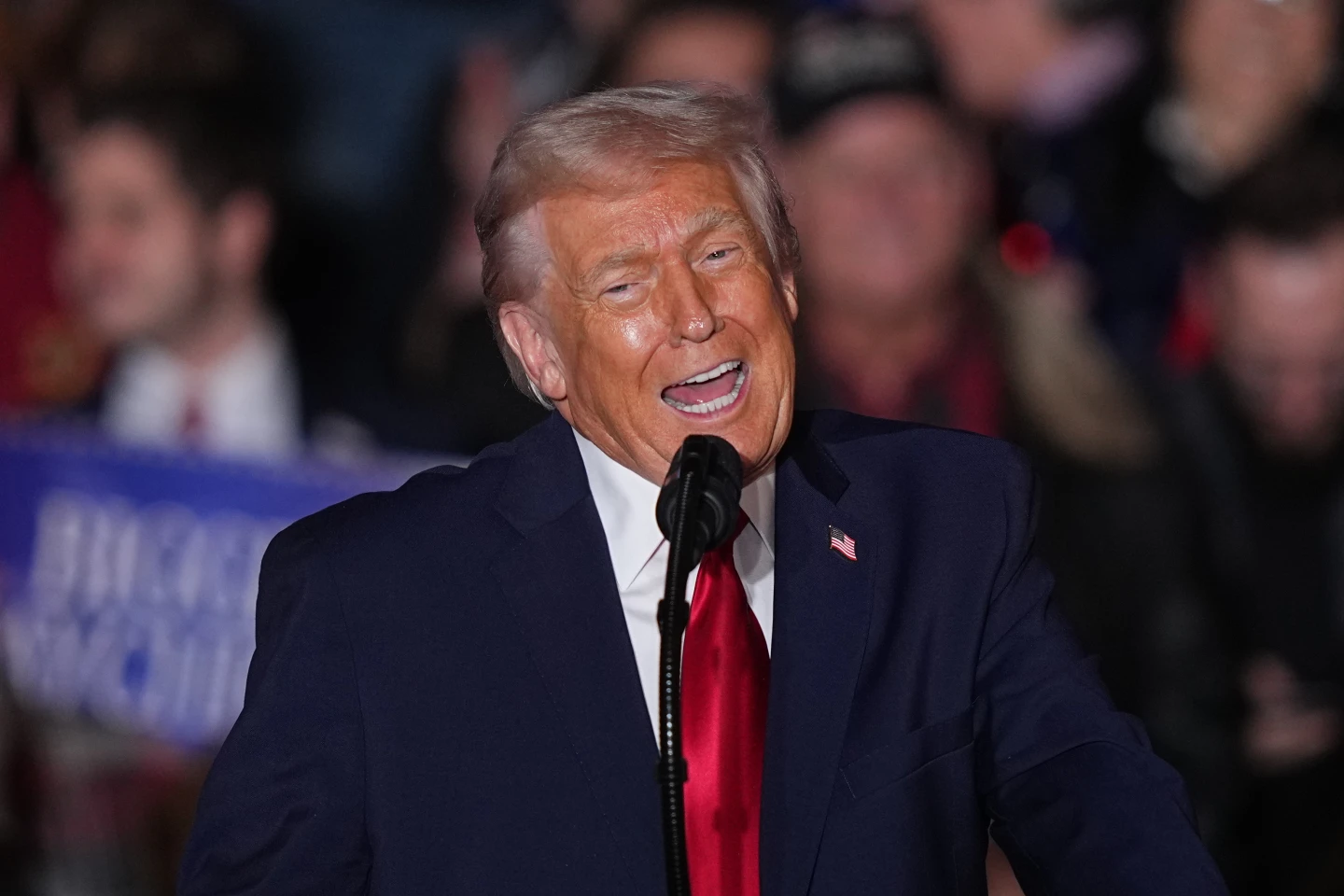
Indiana state senators are expected to take a final, high-stakes vote on redistricting plans Thursday after months of pressure from former President Donald Trump, with the outcome still uncertain.
Despite intense lobbying from the White House and violent threats directed at lawmakers, many Indiana Republicans are hesitating to endorse a new congressional map that aims to benefit the party in the 2026 elections.
Trump's call for mid-decade redistricting—an unusual practice—aims to create more winnable seats for the GOP, especially considering historical trends suggest midterm voters often support the opposition party. Recent elections have bolstered Democrats' odds for flipping control of the House.
The proposed map, drawn by the National Republican Redistricting Trust, seeks to secure all nine of Indiana's congressional districts for the GOP, as Republicans currently hold seven out of nine.
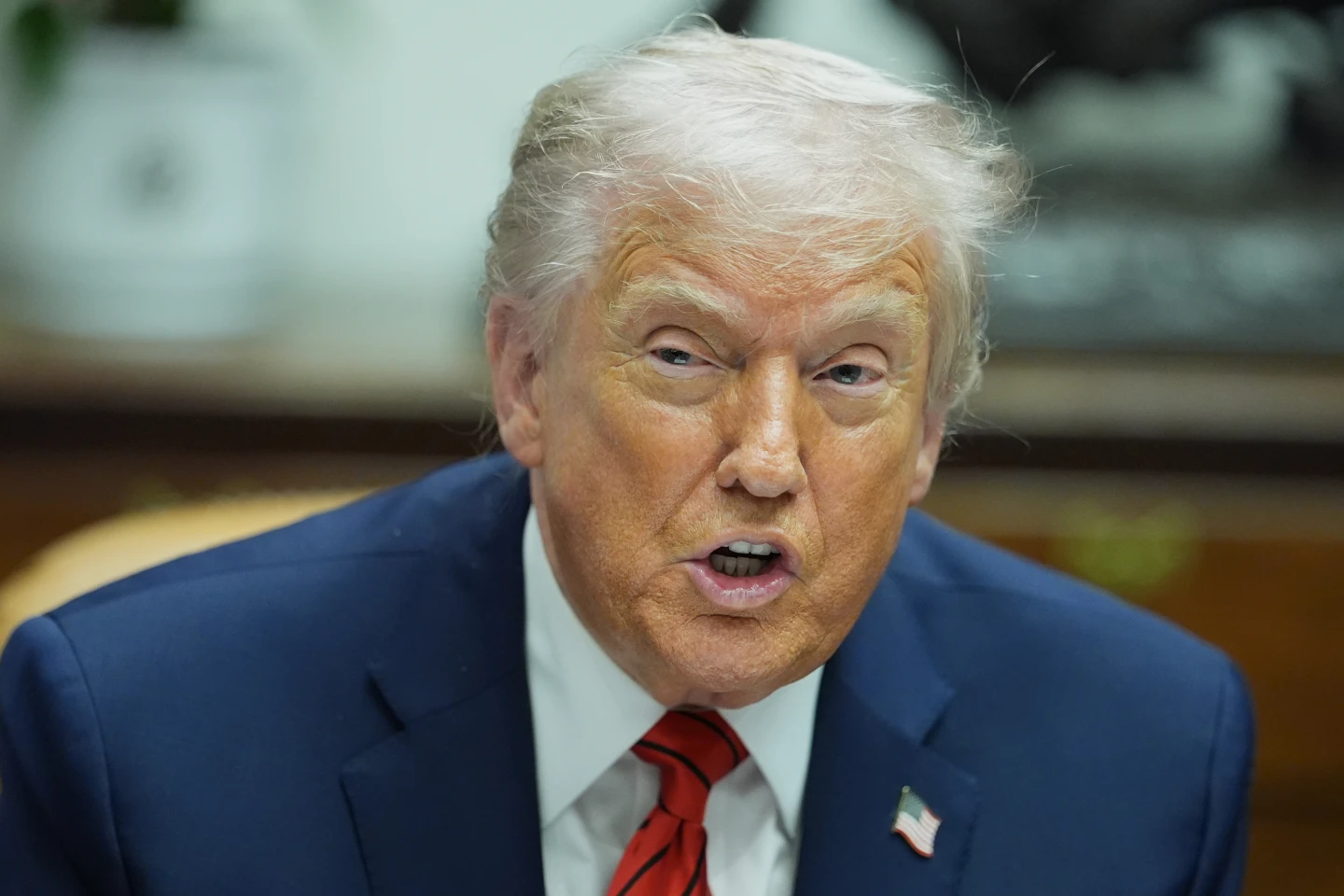
On the eve of the vote, Trump sharply criticized lawmakers who oppose the plan, reiterating threats to support primary challenges against those who vote against it.
Should the redistricting fail, it would indicate significant dissent among Republican lawmakers. The proposed map divides Indianapolis into four districts while attempting to eliminate the seat held by Democratic Rep. Frank Mrvan.
A dozen senators have not publicly taken a stance on the proposal, and if at least four align with the chamber's ten Democrats and twelve Republicans expected to oppose the measure, it could face defeat.
The Republican supermajority in the state House has already passed the map, with some dissenting votes. Nationally, mid-cycle redistricting efforts have resulted in advantages for both parties, but legal battles are ongoing in several states over these changes.
The landscape in Indiana reflects a broader tension within the GOP, as rival factions threaten to undermine party unity over redistricting decisions, potentially affecting decades of political control.